From the file. Written for the paper dated July 2024. Opened in the public stacks July 14, 2026.
As the sun ramps up its activity, a recent solar storm has cast a spotlight on the potential impacts of solar weather on modern technology and infrastructure. But amid the alarmist headlines and dire predictions, what do the numbers actually show?
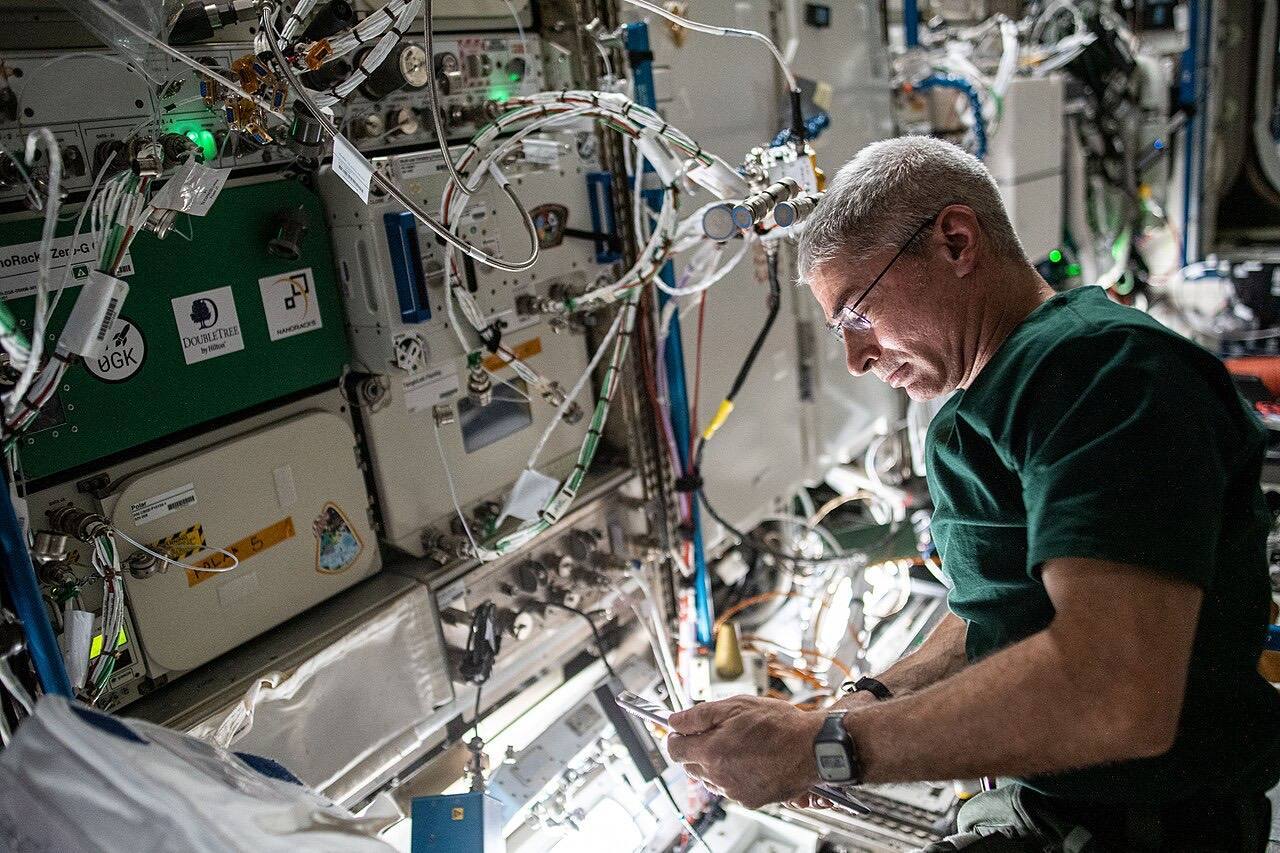
The Background of Solar Storms
Solar storms, also known as coronal mass ejections (CMEs), are bursts of solar wind and magnetic fields rising above the solar corona or being released into space. When aimed at Earth, these storms can disrupt communications, navigation systems, and even power grids. The recent surge in solar activity has raised concerns, yet a closer look at the data reveals a more nuanced picture.
Recent Solar Activity
NASA and other space agencies have recorded an uptick in solar activity as we approach the peak of the solar cycle, an 11-year cycle characterized by varying levels of solar activity. According to scientists, the current solar cycle, known as Solar Cycle 25, is expected to peak around 2025, suggesting that we are merely at the halfway point of the cycle.
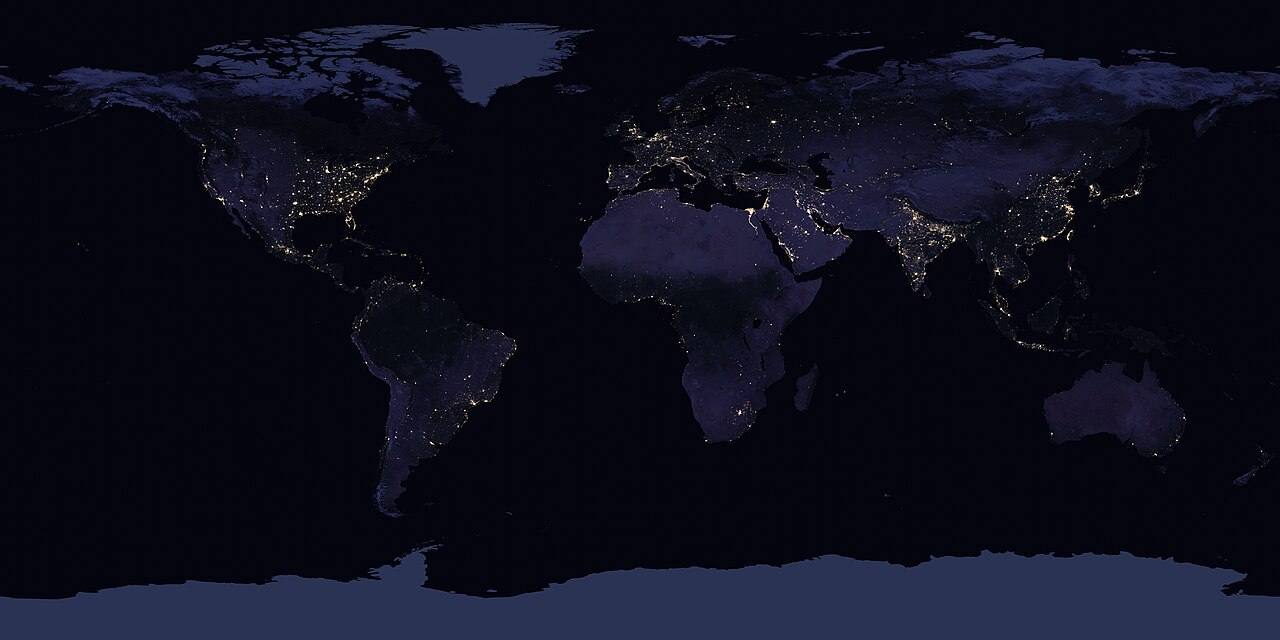
While the numbers indicate an increase in the frequency of solar storms, it is essential to differentiate between minor and significant events. Most solar storms that reach Earth are relatively weak and cause little to no disruption to daily life. For instance, in the past six months, over a dozen solar storms have been documented, but only a few have been classified as strong enough to pose a real threat.
Understanding the Impact
The consequences of solar storms can vary widely depending on their intensity and the Earth's magnetic field conditions at the time of impact. For example, a strong solar storm in 1989 caused a blackout in Quebec, while a weaker storm in 2021 resulted in some minor disruptions to satellite communications but not widespread outages.
“The potential impact of a solar storm largely depends on its strength and our preparedness.”
While the potential for disaster exists, it's crucial not to succumb to fearmongering. The infrastructure in place today is more resilient than in previous decades, with many utilities and communications systems designed to withstand solar interference. Furthermore, government agencies and organizations are continuously improving their monitoring systems to provide early warnings of severe solar activity.
The Role of Media in Shaping Perception
In an age where headlines can often sensationalize a story, the media’s portrayal of solar storms can contribute to public anxiety. While the threat of a catastrophic solar storm is real, the likelihood of such an event causing widespread devastation is considerably lower than some reports suggest.
For instance, some media outlets have suggested that a solar storm could lead to a repeat of the Carrington Event of 1859, which was one of the most powerful solar storms recorded. However, experts warn that such a scenario is statistically rare and that current technological advancements make us better equipped to mitigate potential disruptions.
Political Reactions and Preparedness
The political landscape has also influenced how solar storms are perceived. Some lawmakers have called for increased funding for space weather research and infrastructure upgrades, emphasizing the need for preparedness against potential solar disruptions. Others, however, argue that the focus should be on more immediate concerns, labeling the frenzy over solar storms as another example of exaggerated environmental alarmism.
This division highlights a broader issue in contemporary discourse: the tendency of both sides of the political spectrum to either downplay or overemphasize certain risks based on their ideological beliefs. On one hand, some on the left advocate for significant investment in climate and space weather research, while on the right, there’s often skepticism regarding government intervention and funding.
“We need a balanced approach - acknowledging the risk while also focusing on practical solutions.”
Conclusion: Finding Common Ground
As we navigate the complexities of solar storms and their potential impacts, it’s crucial for both the public and policymakers to approach the topic with a rational mindset. The science surrounding solar activity is evolving, but the data indicates that while we should remain vigilant, we should also foster a sense of preparedness rather than panic.
Ultimately, a collaborative effort is required - one that bridges both sides of the political spectrum to ensure that we are ready for whatever the sun may throw our way. By focusing on facts rather than fear, we can better protect our technological infrastructure and maintain a balanced perspective on solar storms.
✦ ✦ ✦