From the file. Written for the paper dated July 2024. Opened in the public stacks July 14, 2026.
As hospital costs continue to rise, a closer examination reveals a complex landscape that demands scrutiny from both sides of the political spectrum.

The Current State of Hospital Costs
In recent years, hospital costs have become a focal point of debate among policymakers, healthcare professionals, and the general public. The average cost of a hospital stay has skyrocketed, with some estimates suggesting an increase of over 30% in the past decade. This surge in expenses has left many Americans grappling with financial burdens, raising questions about the sustainability of the healthcare system.
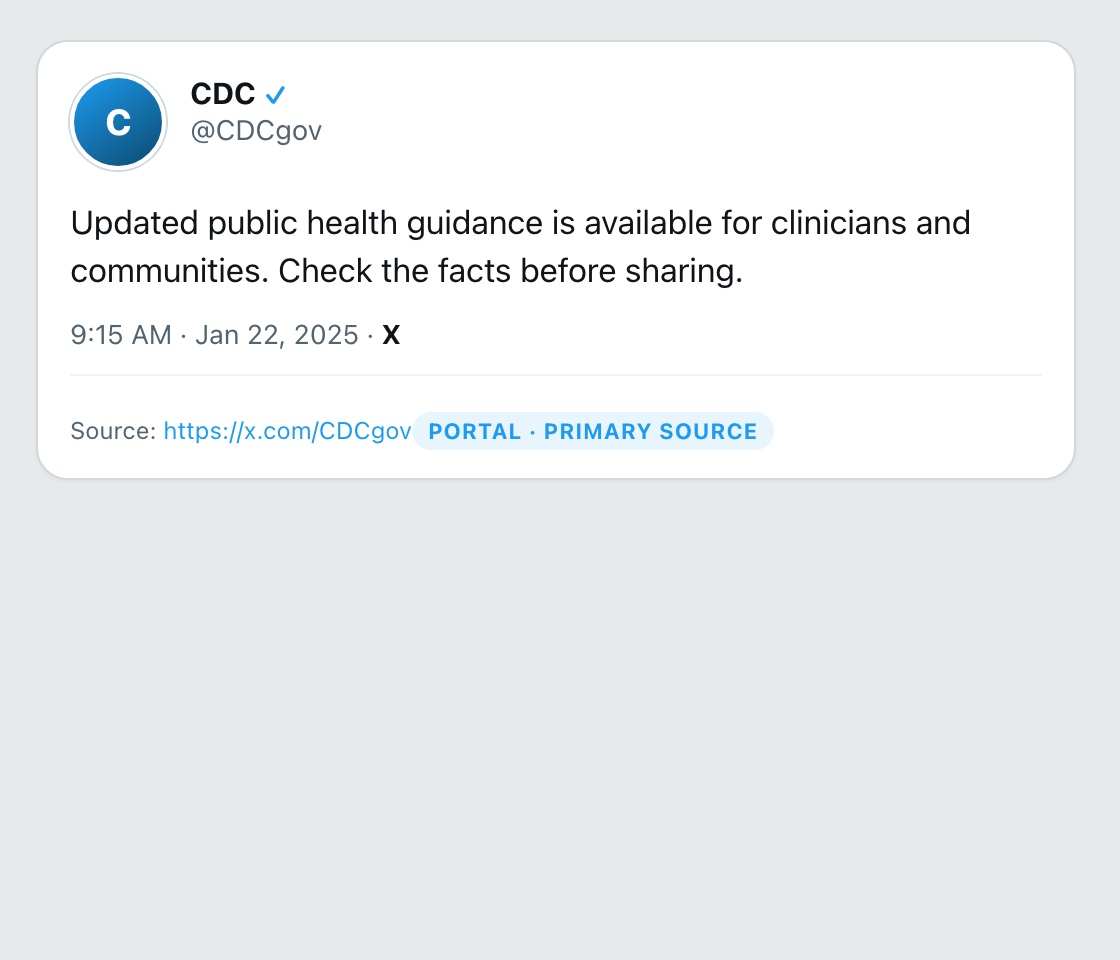
Left-leaning advocates argue that high hospital costs are a direct result of rampant corporate greed within the healthcare industry. They point to exorbitant executive salaries and profits as evidence that healthcare providers prioritize profits over patient care. Conversely, right-leaning critics contend that overregulation and government interference stifle competition and innovation, ultimately leading to higher costs. Both sides present compelling arguments, yet neither fully addresses the intricate web of factors contributing to hospital expenses.

Understanding the Numbers
To truly grasp the dynamics of hospital costs, one must dig deeper than surface-level statistics. Administrative expenses have ballooned, now accounting for a significant portion of overall healthcare spending. Hospitals often cite the burden of complying with various regulations as a major contributor to these costs. While regulations are often necessary for patient safety and care quality, the administrative overhead can lead to inflated prices.
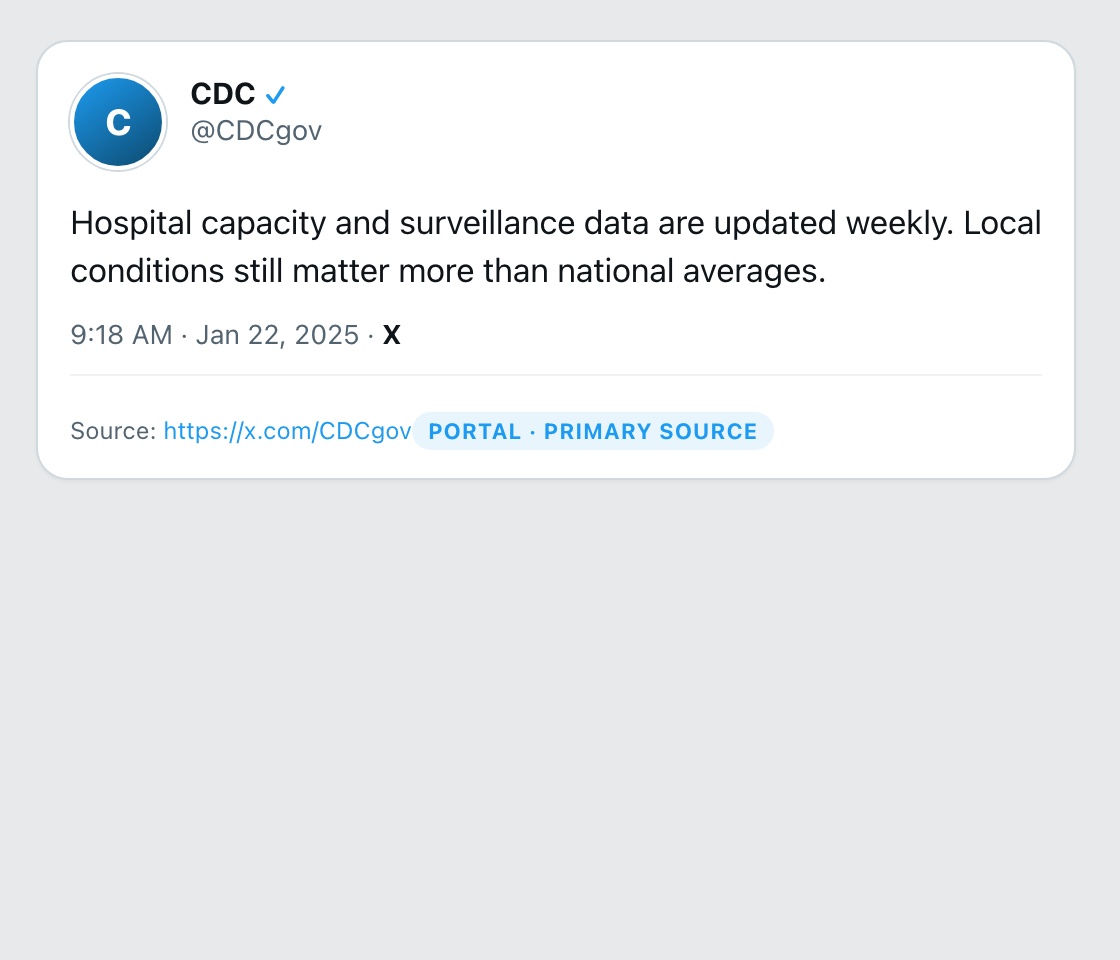
Furthermore, the pricing structures used by hospitals are often opaque and inconsistent. Patients frequently face surprise medical bills due to a lack of transparency regarding the costs of services. The average consumer is left in the dark, unable to make informed decisions about their healthcare. This lack of clarity feeds into the narrative of excessive pricing, yet it also highlights a need for reform that transcends political lines.
"Transparency in hospital pricing is not just a consumer right; it’s a necessary step towards a more equitable healthcare system."
The Role of Insurance
Insurance companies also play a pivotal role in shaping hospital costs. The negotiation dynamics between insurers and hospitals often result in conflicting interests that can leave patients vulnerable. High deductibles and out-of-pocket expenses mean that many individuals are forced to shoulder a greater share of their medical bills. This reality is particularly acute for those with high-deductible health plans, which have become increasingly popular.
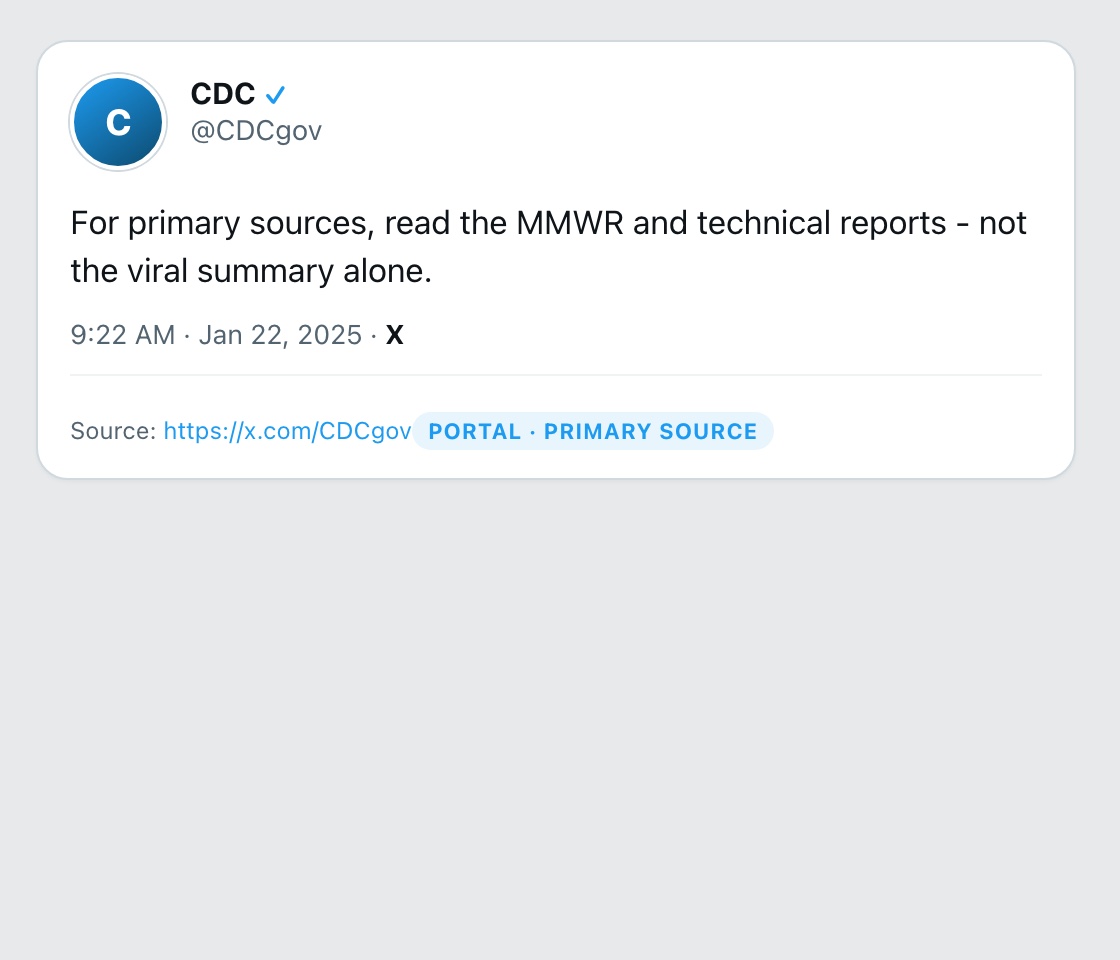
While some argue that competition among insurance providers would drive down costs, the reality is often more complicated. Consolidation within the insurance industry has led to fewer choices for consumers, limiting their options and potentially driving prices higher. This ongoing trend poses challenges for policymakers seeking to reform the system.
Political Polarization and Healthcare Reform
As discussions around healthcare reform heat up in the political arena, it is crucial to recognize the pitfalls of extreme partisanship. On the left, calls for a single-payer system often overlook the challenges of implementation and the potential for long wait times and reduced choice. On the right, the push for market-driven solutions sometimes fails to address the systemic issues of access and affordability that plague many Americans.
A Path Forward
The path to addressing hospital costs lies not in partisan extremes but in collaborative reform efforts. Policymakers must prioritize transparency in pricing, ensuring that patients are informed and empowered to make choices about their care. Additionally, reforms should aim to reduce administrative burdens on healthcare providers while maintaining essential regulatory standards that ensure patient safety and quality care.
Moreover, fostering competition within the insurance market can help lower costs for consumers. By encouraging innovative solutions and diverse options, we can create an environment where both patients and providers benefit. Ultimately, a balanced approach that considers the interests of all stakeholders is essential for developing sustainable solutions.
Conclusion
As we confront the reality of rising hospital costs, it is imperative to move beyond the polarized narratives that dominate the conversation. Both sides of the political aisle have valid concerns, yet the solutions require thoughtful collaboration rather than dogmatic adherence to ideology. By focusing on transparency, reducing administrative overhead, and fostering competition, we can work towards a healthcare system that serves the needs of all Americans.
✦ ✦ ✦