From the file. Written for the paper dated July 2024. Opened in the public stacks July 14, 2026.
As the world continues to grapple with the aftermath of recent health crises, a closer examination of the data reveals a complex picture of epidemic response that challenges prevailing narratives on both the left and the right.

The Data Dilemma
In recent months, the debate surrounding epidemic response has intensified, with political factions fiercely arguing over the efficacy of various strategies employed during health emergencies. While some advocate for more stringent government intervention and public health mandates, others push back against what they see as excessive government overreach. Amidst this heated discourse, it becomes essential to dissect the numbers behind epidemic response to understand what they truly indicate.
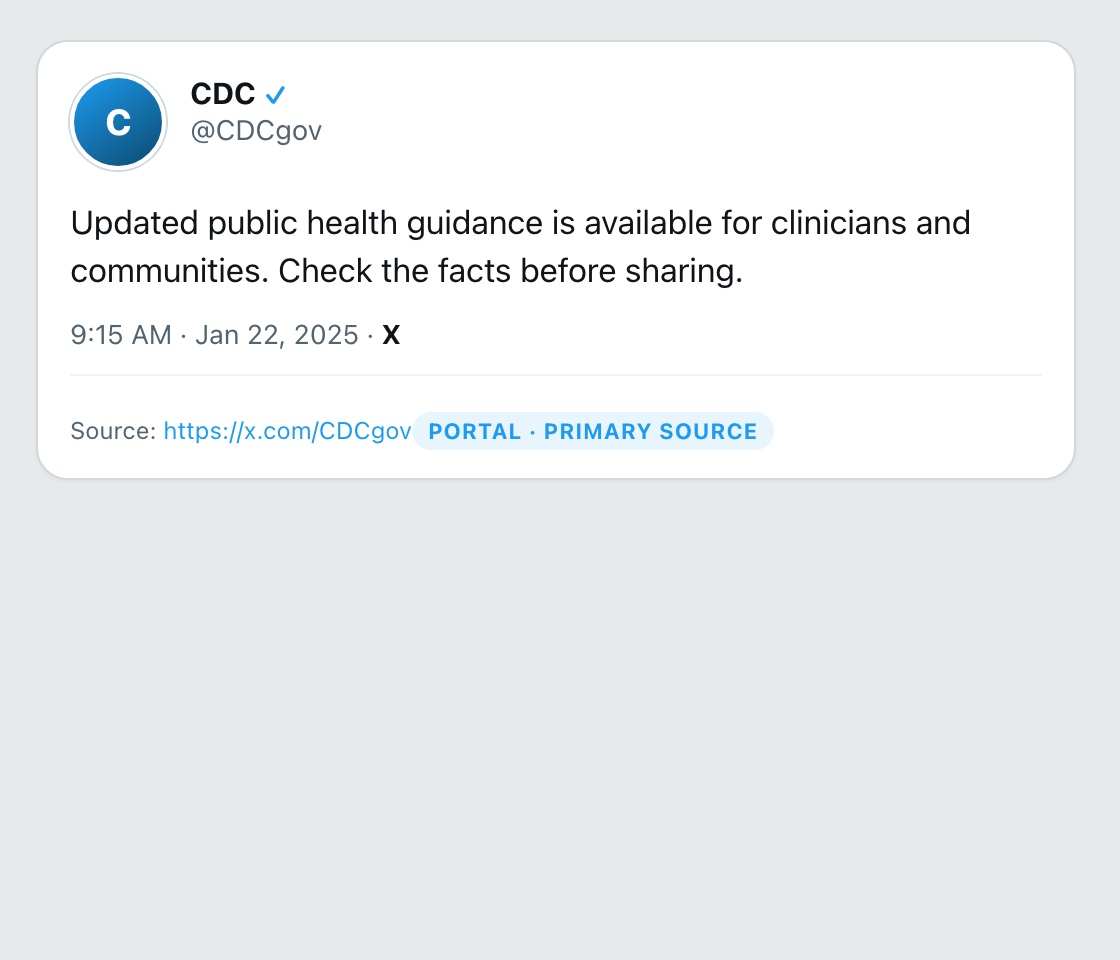
One of the most crucial aspects of evaluating epidemic response is understanding the metrics used to gauge success. Hospitalization rates, death tolls, and vaccination percentages are often cited as definitive indicators of a response's effectiveness. However, these figures can be easily manipulated or misinterpreted, leading to polarized conclusions. For instance, while the number of hospitalizations may suggest a particular response was inadequate, it does not account for other critical factors such as healthcare system capacity, population density, and pre-existing health conditions.

Vaccine Rollouts: Success or Failure?
The rollout of vaccines has been a centerpiece of the epidemic response narrative. Proponents on the left frequently celebrate high vaccination rates as a triumph of public health policy, while those on the right often highlight discrepancies in rollout efficiency and access as evidence of systemic failure. But what do the numbers really show?
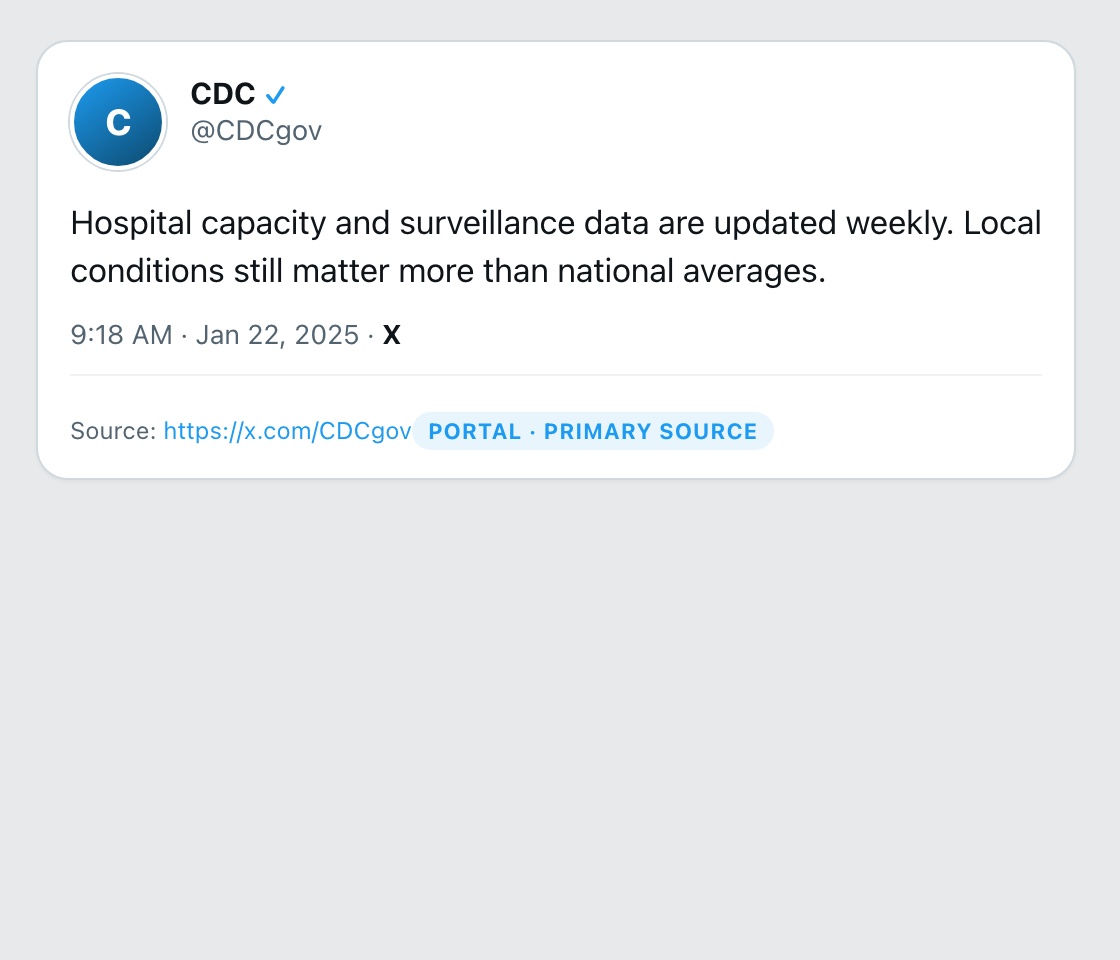
According to recent reports, vaccination rates in urban areas often outpace those in rural regions, leading to a divide that reflects broader socioeconomic disparities. While urban populations may enjoy the benefits of proximity to healthcare resources, rural communities often face obstacles that can hinder vaccination efforts. Thus, while the overall national vaccination rate may seem impressive, it masks significant inequalities that could undermine the collective health of the nation.
“The numbers reveal a stark truth: success is often measured by accessibility, not just availability.”
The Cost of Response
Examining the economic impact of epidemic responses offers another layer of complexity. Both sides of the political spectrum have their narratives: the left often emphasizes the need for robust public funding to combat health crises, while the right argues for fiscal responsibility and the potential negative consequences of government spending.
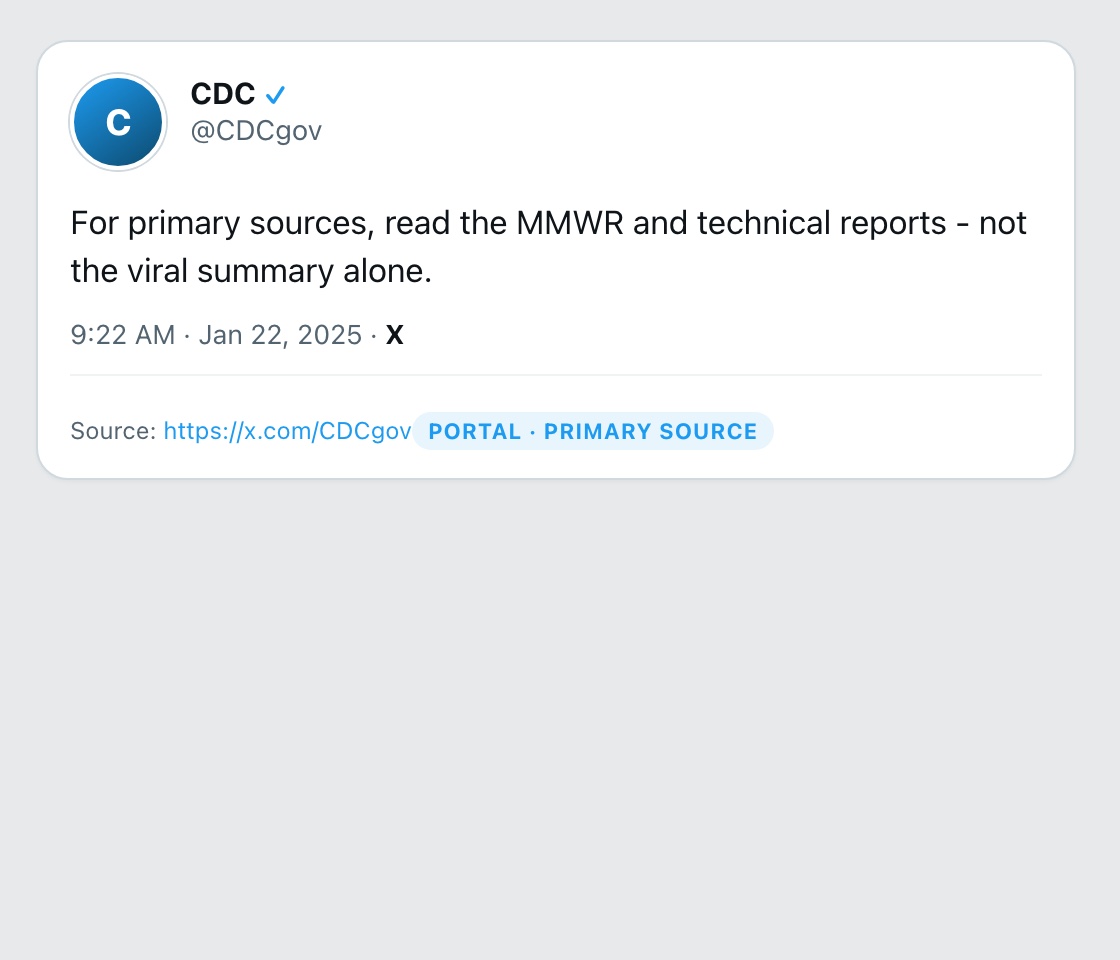
Recent data indicates that the financial toll of pandemic-related restrictions has been staggering, with small businesses suffering immensely. However, it is essential to consider that some of these businesses were already operating on thin margins prior to the epidemic. This scenario raises critical questions about resilience and preparedness that should be part of the broader conversation about how to respond to future crises.
Public Sentiment and Compliance
Public compliance with health directives is another area rife with contention. The left often points to scientific consensus and the importance of following expert advice, while the right emphasizes personal freedom and skepticism towards government mandates. Polling data shows that compliance rates vary significantly based on partisanship, with many individuals refusing to adhere to guidelines based solely on their political beliefs.
This polarization complicates the effectiveness of any public health measure. As health officials strive to implement strategies that require community buy-in, they are often met with resistance rooted in ideological beliefs rather than scientific evidence. The numbers indicate that a successful epidemic response must not only rely on data but also on fostering trust and communication between public health officials and the communities they serve.
Looking Forward
As we continue to navigate these complex issues, it is essential to move beyond simplistic narratives that serve only to deepen divisions. Both the left and the right must recognize the multifaceted nature of epidemic response. Emphasizing a collaborative approach that draws on evidence and prioritizes community engagement could lead to more effective health strategies in the future.
Ultimately, the data should inform our understanding and guide our actions, rather than fuel partisan battles. As we strive for a healthier future, it is crucial to remember that the effectiveness of epidemic response depends not merely on numbers but on the collective will to adapt, learn, and collaborate.
✦ ✦ ✦