From the file. Written for the paper dated June 2024. Opened in the public stacks July 14, 2026.
As ships languish off the coast waiting to berth at the nation’s ports, the frustration felt by consumers and businesses alike is palpable. A mix of political maneuvering and economic uncertainty has turned port congestion into a rallying cry for both sides of the political aisle.
Understanding the Gridlock
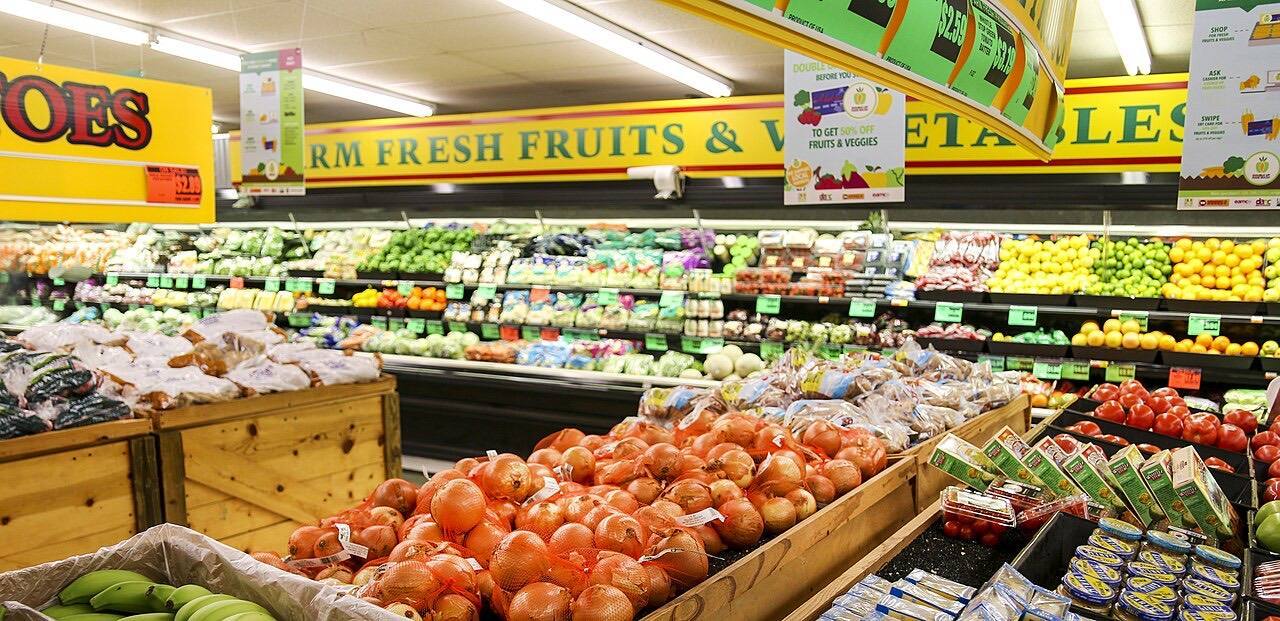
The current congestion at key ports, such as Los Angeles and Long Beach, is not just about the ships themselves. It’s a symptom of a larger issue that has been brewing for years - supply chain vulnerabilities exacerbated by the recent pandemic and geopolitical tensions. According to various reports, cargo ships are seeing wait times increase dramatically. This has led to higher prices and empty shelves across numerous markets.
What is particularly frustrating is how both major political parties have responded to this crisis. The left points fingers at corporate greed and a lack of regulation, while the right emphasizes the need for deregulation and free-market solutions. Both narratives, while not entirely without merit, tend to overlook the systemic nature of the problem.

Political Blame Games
On the left, the call for additional regulation and oversight is often accompanied by a sense of moral superiority. Proponents argue that stricter controls on shipping practices and labor rights will alleviate congestion and improve conditions for workers. While advocating for workers' rights is undoubtedly important, the approach suggests that the solution lies solely in government intervention, ignoring the complexities of global trade.
Conversely, the right's mantra of deregulation and free-market principles often overlooks the fact that unbridled capitalism can lead to monopolistic practices, which can further complicate logistics and shipping. The emphasis on reducing regulations has created an environment where companies may prioritize profits over efficiency, leading to the very congestion they claim to abhor.
Certainty in Uncertain Times
Amidst this cacophony of blame and counter-blame, one thing has become abundantly clear: certainty is selling briskly. Businesses and consumers alike are looking for stability in a world that seems increasingly chaotic. The ongoing congestion crisis has created an intense demand for reliable supply chain solutions. Companies that can provide assurances about delivery times and inventory availability are seeing a surge in business.
One local logistics firm, for example, has pivoted to offer guaranteed shipping timelines, a service that was almost unheard of in the pre-crisis era. "We never had to worry about meeting deadlines before. Now, we have to promise what we can deliver," said the firm's owner in a recent interview.
Market Adaptations
In response to the current climate, businesses are adapting by diversifying their supply chains and seeking alternative shipping routes. Many companies are investing in technology that allows for better tracking of shipments and inventory levels, which has become essential for managing expectations in this congested environment.
"The world has changed, and we need to change with it. Certainty is the new currency." - Logistics expert
However, this shift also brings its own challenges. Smaller businesses often lack the resources to invest in the same level of technology as their larger counterparts, putting them at a disadvantage. This disparity in capability can lead to a further concentration of market power among the larger players.
The Broader Economic Impact
One cannot ignore the broader economic ramifications of port congestion. With delays leading to increased costs for shipping, these expenses are often passed down to consumers. Inflation continues to rise as a direct result, creating a vicious cycle that disproportionately affects lower-income households. The irony is that while both sides of the political spectrum argue their cases, it is the everyday citizen who feels the brunt of their failures.
Moreover, as both parties play their respective games, the people and businesses caught in the middle are left to navigate a labyrinth of uncertainty. The lack of a unified approach to solving port congestion is indicative of a larger issue in American politics: the inability to come together for the common good amidst partisan bickering.
Looking Ahead
As we move further into 2024, it is crucial for leaders on both sides to recognize that simplistic solutions will not suffice. A multifaceted approach that combines regulation, technological investment, and a commitment to worker rights is necessary to address the complexities of port congestion. The question remains whether our leaders can rise above the fray and work collaboratively to tackle this pressing issue.
✦ ✦ ✦