From the file. Written for the paper dated June 2024. Opened in the public stacks July 14, 2026.
In a political climate increasingly marked by division and certainty, the discourse surrounding free speech has become a battleground for both the left and the right, each claiming to champion its ideals while simultaneously undermining them.

Certainty: The New Currency
As we navigate the tumultuous waters of 2024, one thing has become clear: certainty is selling briskly. In a world rife with ambiguity, where the truth can often feel like an elusive concept, individuals and political factions alike are drawn to the comfort of absolute beliefs. This phenomenon is particularly evident in the ways both major parties approach free speech, a fundamental right enshrined in our Constitution.

The left, often seen as the protector of marginalized voices, has paradoxically embraced a culture that can stifle dissent. Calls for “safe spaces” have morphed into demands for speech codes, where the fear of offending can lead to self-censorship and the curtailing of open dialogue. While the intention may be to protect individuals from harm, the result is an environment where certain viewpoints are silenced, ironically contradicting the very foundation of free speech.
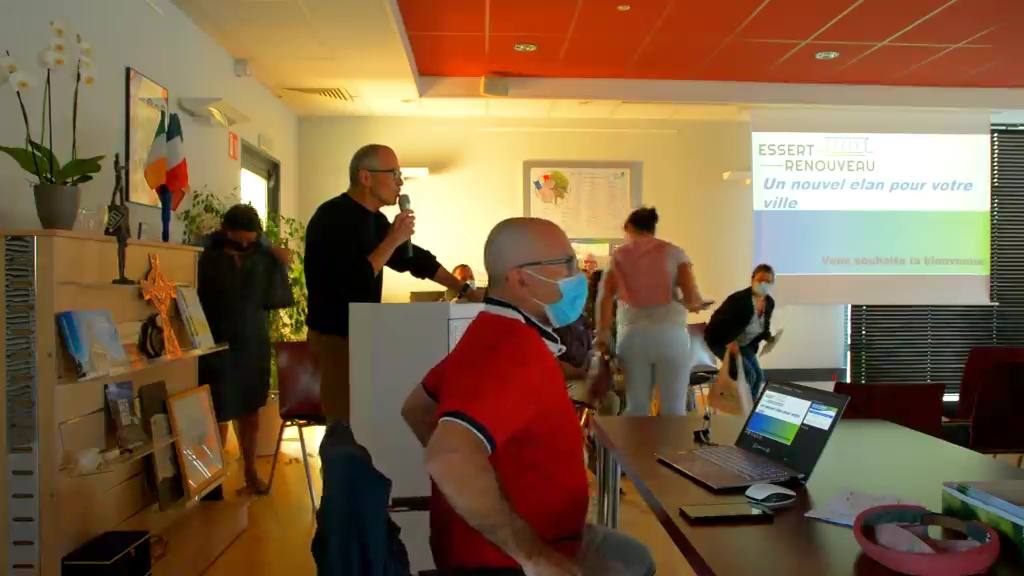
On the other hand, the right has seized upon the narrative of free speech as a rallying cry against perceived censorship. They argue that left-leaning institutions, from universities to media outlets, are engaged in a concerted effort to suppress conservative voices. However, this defense of free expression often borders on hypocrisy, as some on the right simultaneously advocate for measures that would curtail the speech of those they disagree with, particularly when it comes to issues of race, gender, and sexuality.
“In the battle for free speech, both sides are quick to cloak themselves in the mantle of righteousness while hypocritically undermining the very principles they claim to uphold.”
The Dangers of Certainty
What both parties seem to miss is that the essence of free speech lies in its messy, uncomfortable nature. It is not about creating an echo chamber where only agreeable opinions are shared; rather, it is about fostering an environment where diverse perspectives can coexist, even when they clash. The danger of our current climate is that certainty breeds intolerance. When one side believes it holds the monopoly on truth, the space for dialogue shrinks, and the potential for understanding evaporates.
This is particularly relevant in the age of polarization, where individuals often feel compelled to choose a side, donning the metaphorical team jersey of their chosen political identity. In doing so, they may feel justified in dismissing the validity of opposing viewpoints, leading to a cycle of division that further entrenches their beliefs. This binary thinking limits the potential for constructive discourse, as nuance is sacrificed at the altar of ideological purity.
Free Speech in the Public Sphere
As the political landscape continues to shift, it is crucial for citizens to reclaim the spirit of free speech, transcending the limitations imposed by party lines. This means recognizing that free speech is not just about defending the speech we agree with, but also about engaging with and even defending the speech we find distasteful. It is about fostering a culture where ideas can be exchanged and challenged without fear of retribution.
Moreover, it is essential to hold both parties accountable for their actions regarding free speech. The left must navigate the fine line between protecting individuals from harm and ensuring that all voices are heard, while the right must recognize that their calls for free speech should not come at the expense of others' rights to express themselves. Both sides must confront the uncomfortable reality that their actions often contradict their stated principles, and it is the responsibility of the electorate to demand better.
Charting a Path Forward
Moving forward, it is crucial for Americans to engage in a more nuanced understanding of free speech that does not simply align with party platforms. This means fostering environments in which difficult conversations can occur, where individuals are encouraged to confront their biases and reconsider their positions. It requires a collective commitment to upholding the principles of free expression, even when it is uncomfortable.
In this moment of heightened political fervor, let us not forget that the strength of our democracy lies in our ability to engage with one another as fellow citizens, rather than adversaries. Free speech is not merely a political talking point; it is a fundamental aspect of our shared humanity. In the fight for free expression, we must strive to do better - together.
✦ ✦ ✦