From the file. Written for the paper dated May 2024. Opened in the public stacks July 14, 2026.
In the ongoing debate over rail freight, both sides of the political aisle have demonstrated a concerning tendency toward selective memory, obscuring the complexities of the industry while prioritizing their agendas.
Setting the Scene
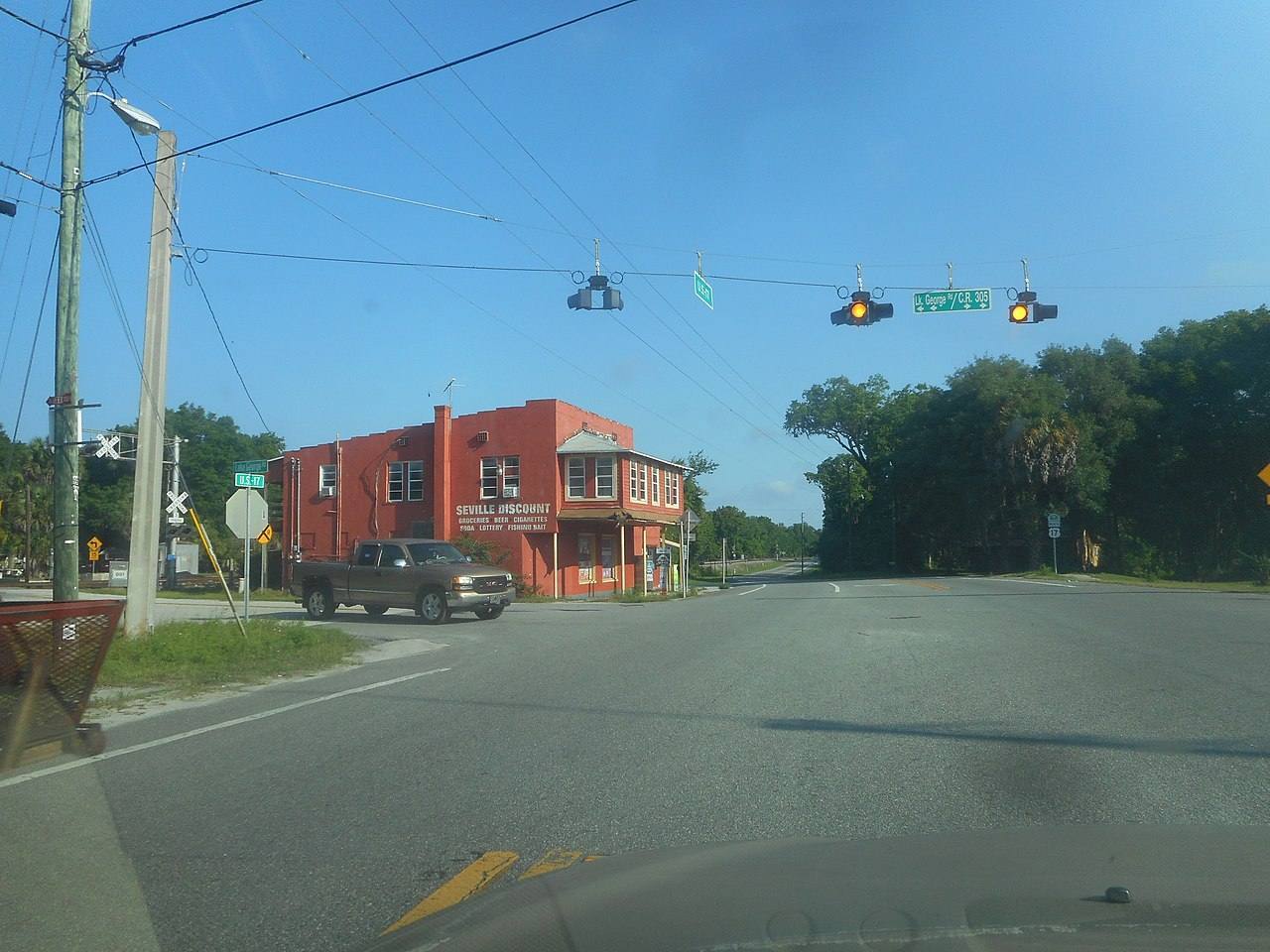
As the nation grapples with supply chain challenges and the push for greener transportation methods, rail freight has found itself at the center of political discourse. Lawmakers from both parties are quick to tout their support for rail infrastructure; however, their records are often marred by inconsistencies and omissions that reveal a troubling pattern of selective memory.

The Left's Green Vision
On the left, there is a strong push for a transition to more environmentally friendly modes of transportation. Politicians highlight rail freight as a solution to reduce carbon emissions and alleviate highway congestion. Proponents argue that investing in rail infrastructure is essential for a sustainable future. Yet, the same voices often overlook the substantial federal funding cuts to rail projects during the earlier years of their tenure. This selective memory not only undermines their credibility but also hinders the very progress they claim to champion.
"In their quest for greener solutions, the left must not forget the historical investments that laid the groundwork for today's rail systems."
The Right's Economic Focus
Conversely, the right often frames rail freight as a cornerstone of economic growth, emphasizing its role in job creation and the movement of goods. They advocate for deregulation and increased private investment, positioning themselves as champions of free-market principles. However, this narrative conveniently ignores the significant safety and regulatory frameworks that have been established over decades, which are crucial for ensuring the reliability and safety of rail operations. By dismissing these regulations, the right risks jeopardizing both worker safety and the environment.
Shared Responsibility
The reality is that both sides have contributed to the challenges facing the rail freight industry today. The bipartisan failure to maintain and modernize rail infrastructure has led to increased delays and inefficiencies. While both parties are eager to point fingers at one another, the truth is that sustained investment and collaboration across the aisle are essential for the future of rail freight.
Political Theater vs. Real Solutions
As political theater continues to dominate discussions surrounding rail freight, real solutions remain elusive. The public deserves transparency and accountability from their leaders, not grandstanding or partisan finger-pointing. It is crucial for politicians to acknowledge past shortcomings and work together to create a comprehensive and sustainable freight strategy.
The Path Forward
To break free from the cycle of selective memory, lawmakers must commit to a fact-based dialogue that recognizes the historical context of rail freight. This includes understanding the impact of past deregulations, the necessity of safety regulations, and the importance of federal investment in infrastructure. Only then can bipartisan efforts lead to the necessary reforms that will ensure the future viability of rail freight in America.
A Call for Accountability
As we move deeper into 2024, the stakes surrounding rail freight will only increase. With supply chains still struggling to recover from recent disruptions, it is imperative that both sides of the aisle prioritize accountability over rhetoric. Voters must push their representatives to deliver on promises and work collaboratively, rather than allowing partisan politics to derail critical progress.
✦ ✦ ✦