From the file. Written for the paper dated April 2024. Opened in the public stacks July 14, 2026.
In a nation where partisanship often dictates the course of policy, the recent treaty ratification process has exposed a troubling failure of oversight that transcends the political spectrum.
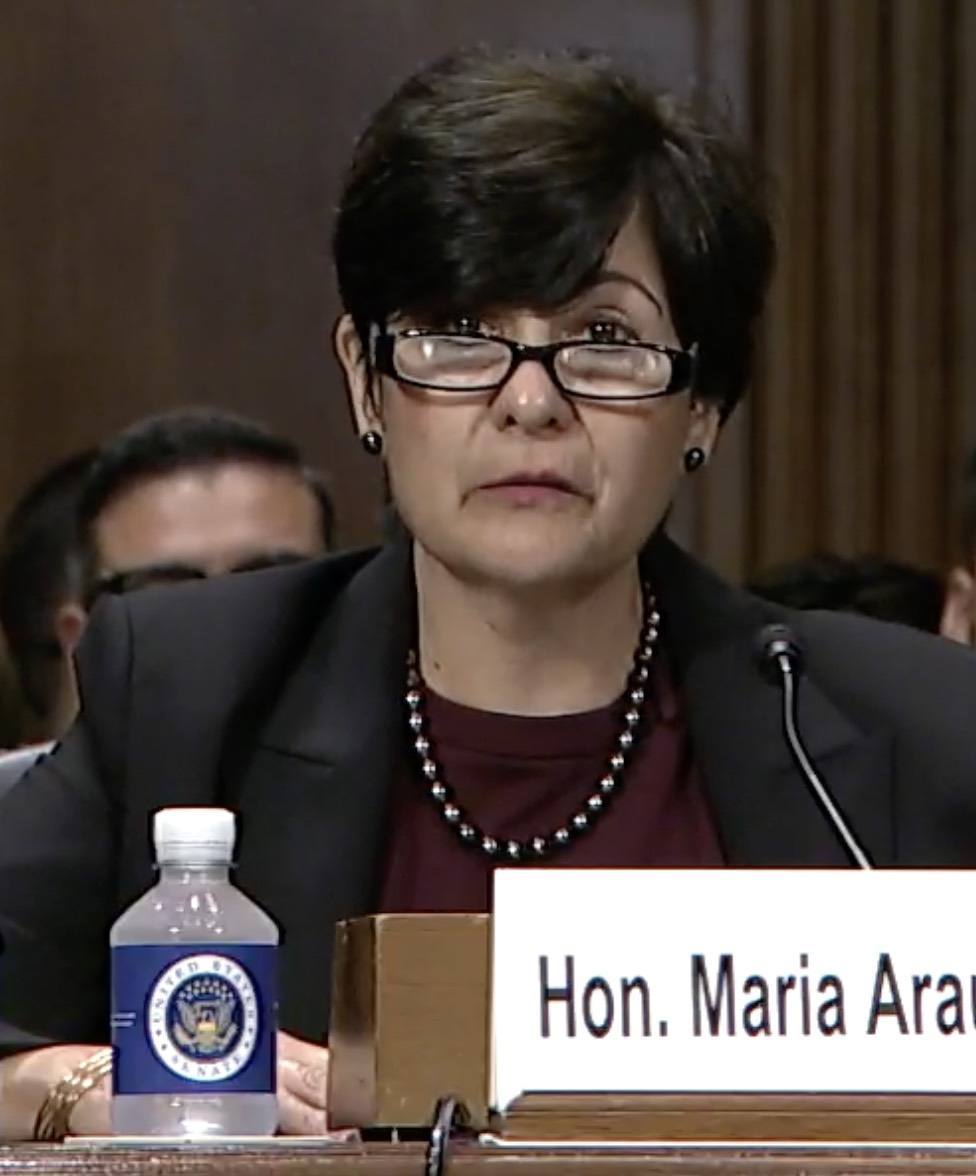
Treaty Ratification: A Case Study in Oversight
The recent ratification of an international treaty aimed at climate change mitigation has stirred a debate that highlights the shortcomings of both major political parties. While the treaty was heralded as a significant step forward in global cooperation, its passage through Congress revealed a lack of rigorous examination and debate, raising questions about the integrity of the legislative process.
On one hand, the Democratic majority championed the treaty as a moral imperative, framing opposition as an affront to science and progress. They pushed for swift ratification, emphasizing urgency in the face of climate change. Yet, this insistence on speed came at a cost. Crucial details regarding compliance mechanisms and the financial implications for American taxpayers were glossed over in the rush to celebrate a 'win' for the administration.
Conversely, Republican critics of the treaty, while rightly highlighting some of these concerns, often resorted to alarmist rhetoric that undermined valid points. Accusations that the treaty would lead to economic ruin or a loss of sovereignty were not only exaggerated but also detracted from constructive criticism. This pattern of hyperbole continues to erode trust in political discourse, leaving the public more confused than informed.
"In the rush to claim victory, both sides have failed to uphold the basic tenets of oversight that are essential to democratic governance."
A Lack of Transparency
One of the most alarming aspects of the treaty's ratification process was the limited public engagement. The hearings held prior to the vote were sparsely attended, and testimony from independent experts was often sidelined in favor of politically aligned witnesses. This lack of diversity in perspectives not only compromised the integrity of the legislative process but also revealed a troubling trend where accessibility and transparency have taken a backseat to partisan gains.
Moreover, as the treaty was debated, it became evident that many lawmakers were more concerned with their party's narrative than with the actual implications of the treaty. This raises an important question: Are our representatives truly advocating for their constituents, or are they merely participants in a political theater that prioritizes party loyalty over accountability?
Impacts on Governance
The failure to conduct a thorough examination of the treaty could have far-reaching implications. Without proper oversight, there is a risk that the treaty's implementation may falter, leading to unintended consequences for both international relations and domestic policy. This could further exacerbate the already polarized climate surrounding environmental issues, as both sides may feel vindicated in their positions without the benefit of a reasoned, factual dialogue.
Additionally, this incident serves as a microcosm of a larger problem where political expediency often trumps substantive governance. The eagerness to claim victory on the international stage should not overshadow the responsibility to ensure that treaties align with the nation’s interests and values.
The Path Forward
To move beyond this troubling trend, it is essential for both parties to recommit to the principles of oversight and accountability. This means fostering an environment where diverse opinions are welcomed and expert testimony is valued equally, regardless of political alignment. It also requires a shift away from a culture of fear-mongering and towards one of informed discussion. Only then can we hope to restore public trust in our institutions and ensure that the treaties we ratify are in the best interest of the nation.
As citizens, we must advocate for a system that prioritizes thorough examination over swift political victories. The stakes are too high to allow our representatives to treat crucial treaties as mere team jerseys in a partisan game.
✦ ✦ ✦