From the file. Written for the paper dated April 2024. Opened in the public stacks July 14, 2026.
As the world watches the latest space launch unfold, a deeper story emerges - not of triumph, but of oversight and the consequences of rushing to the stars.
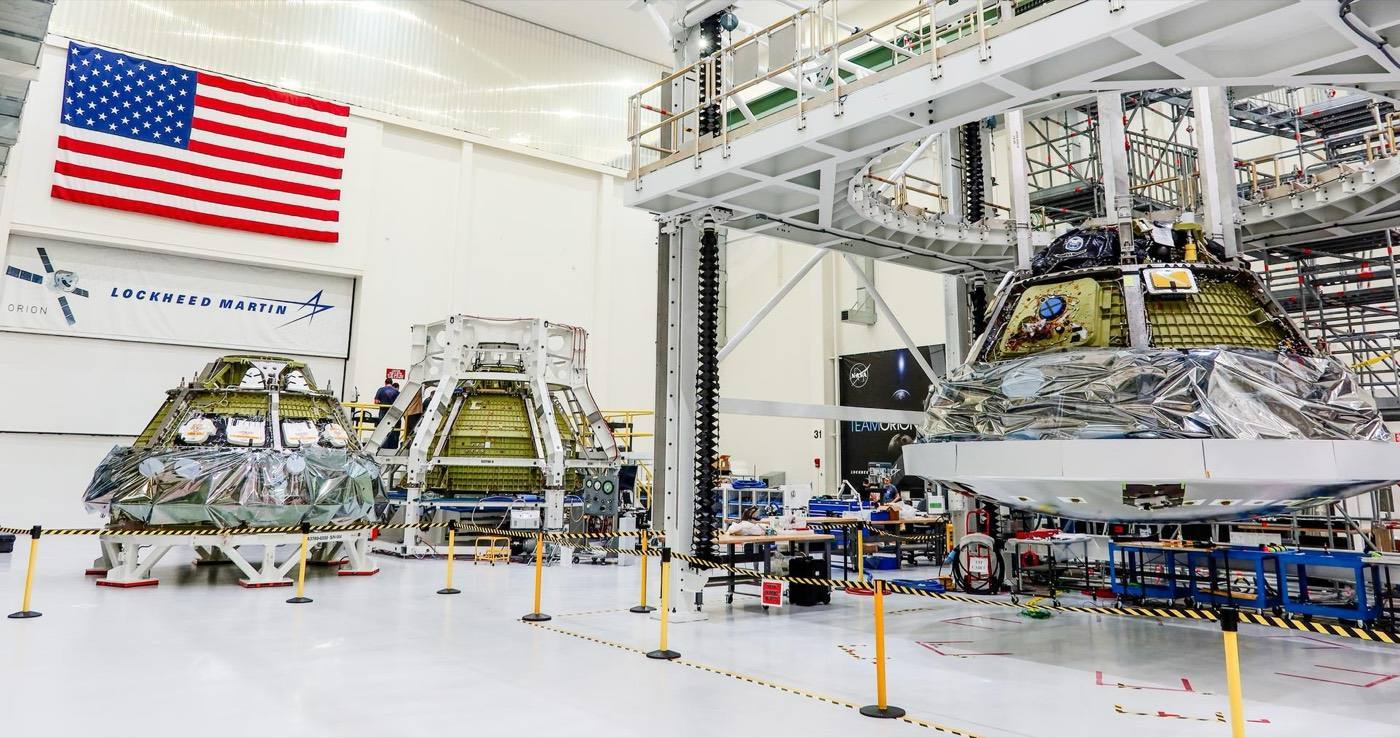
Behind the Scenes of the Launch
In the early hours of a crisp April morning, the countdown clock ticked down to launch. The anticipation was palpable, with thousands gathered to witness what was billed as a groundbreaking moment in commercial space exploration. Yet, as the rocket roared to life and ascended into the azure sky, a quiet failure lingered in the background, revealing the cracks in our approach to space exploration.
For decades, space missions have been celebrated as monumental achievements, but the intense commercialization of this domain has introduced new pressures on oversight and safety. The launch in question, while outwardly successful, has raised questions about the adequacy of regulatory frameworks and the prioritization of profits over prudent safety measures.
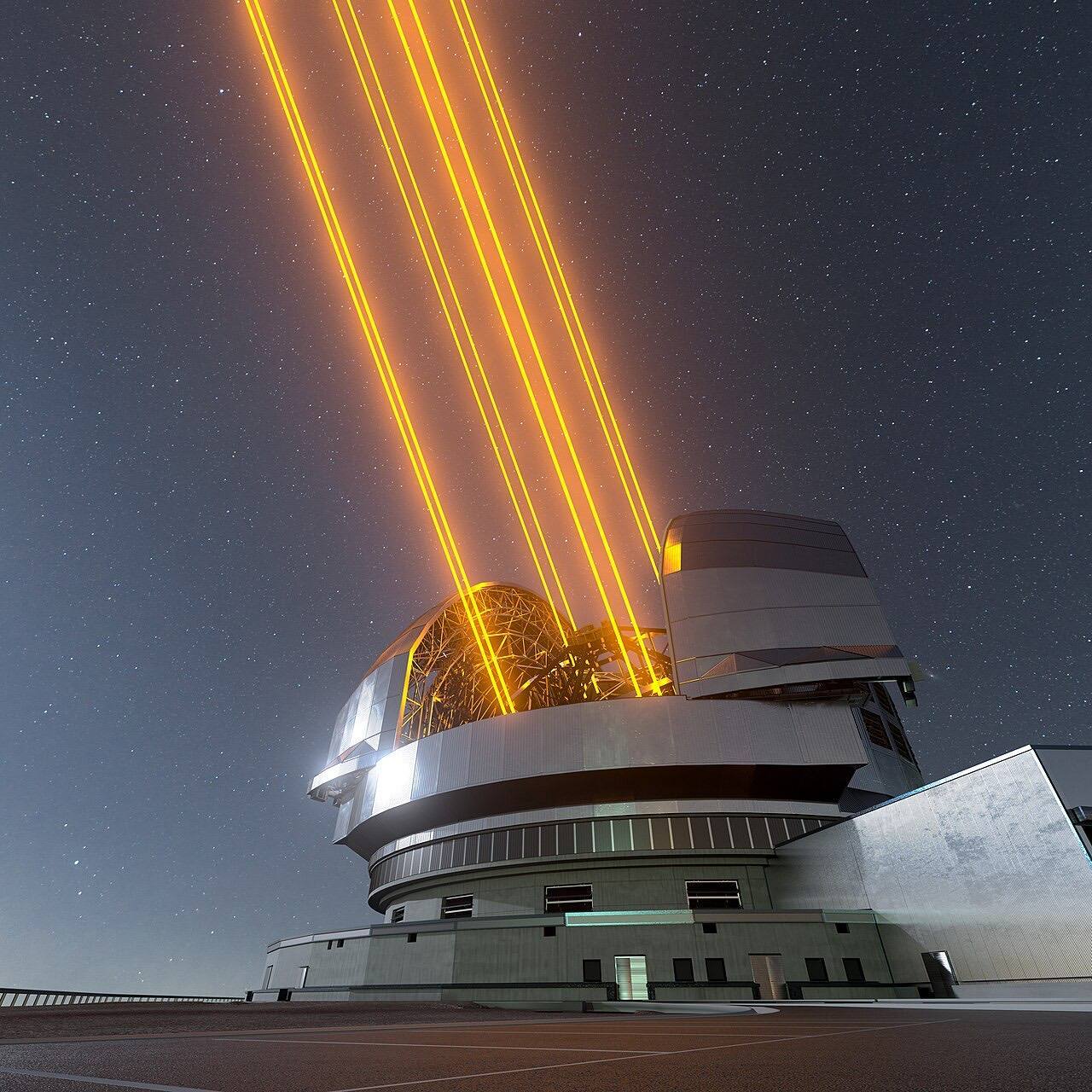
The Cost of Speed
In the race to achieve the next big milestone, companies are increasingly under pressure to deliver results rapidly. This has led many to cut corners, sparking concerns among experts regarding the adequacy of the testing and evaluation processes. The recent launch served as a stark reminder that what often gets lost in the frenzy for progress is the critical need for methodical oversight.

"We are in a new era of space exploration, but we cannot afford to sacrifice safety for speed." - A leading aerospace engineer
Industry insiders have noted that while technological advancements have made launches more accessible, the regulatory environment has not kept pace with this rapid evolution. The Federal Aviation Administration (FAA) has faced increased scrutiny, with critics arguing that its oversight has been inadequate in addressing the complexities of commercial spaceflight.
Regulatory Oversight: A Double-Edged Sword
On one hand, the push for deregulation has been championed by many as a means to stimulate innovation. This has allowed companies to experiment with new technologies and approaches that could revolutionize space travel. However, this same deregulation has led to gaps in safety standards that could have dire consequences.
As the lines between public and private interests blur, the responsibility for ensuring safe practices has become increasingly fragmented. The recent launch, while framed as a success by the company involved, was marked by a series of operational decisions that raised alarms among safety advocates. The absence of a robust, centralized oversight mechanism has left a void that companies have been quick to exploit.
The Reaction from the Public and Experts
Responses from the public have been mixed. On one side, there is the awe and excitement surrounding the possibilities of space exploration. On the other, there is a growing awareness of the risks involved and the potential fallout from oversight failures. Experts are calling for a recalibration of priorities, emphasizing that while the spirit of innovation is commendable, safety must remain at the forefront.
A Call for Balance
Both sides of the political spectrum have weighed in on the topic, often missing the nuance required to address the challenges at hand. Progressives tend to emphasize the need for stricter regulations and oversight to protect public safety, while conservatives frequently advocate for less regulation to allow free-market forces to drive innovation.
This binary thinking is counterproductive. A balanced approach that encourages innovation while ensuring comprehensive safety standards is essential. The conversation must shift from a simplistic left-right divide to a more thoughtful dialogue that recognizes the complexities of modern space exploration.
The Future of Space Exploration
As we move forward into this new era of space exploration, we must remain vigilant. The excitement surrounding launches can easily overshadow the critical discussions about safety and oversight. It is imperative that the industry, regulators, and the public engage in a meaningful dialogue to safeguard the future of space travel.
The recent launch serves as a wake-up call. We must collectively strive for a framework that prioritizes safety without stifling innovation. Only then can we truly celebrate the achievements of space exploration, knowing that they are built on a foundation of responsibility and foresight.
✦ ✦ ✦