From the file. Written for the paper dated April 2024. Opened in the public stacks July 14, 2026.
In an era where political allegiance often dictates our interpretation of history, the importance of engaging with primary sources without bias cannot be overstated.

As we navigate the choppy waters of contemporary discourse, the way we consume and interpret primary sources often reflects our current ideological divides. Both left and right factions have fallen prey to selective reading, allowing their biases to color their understanding of the past. This not only erodes our collective memory but also undermines the very fabric of informed citizenship.
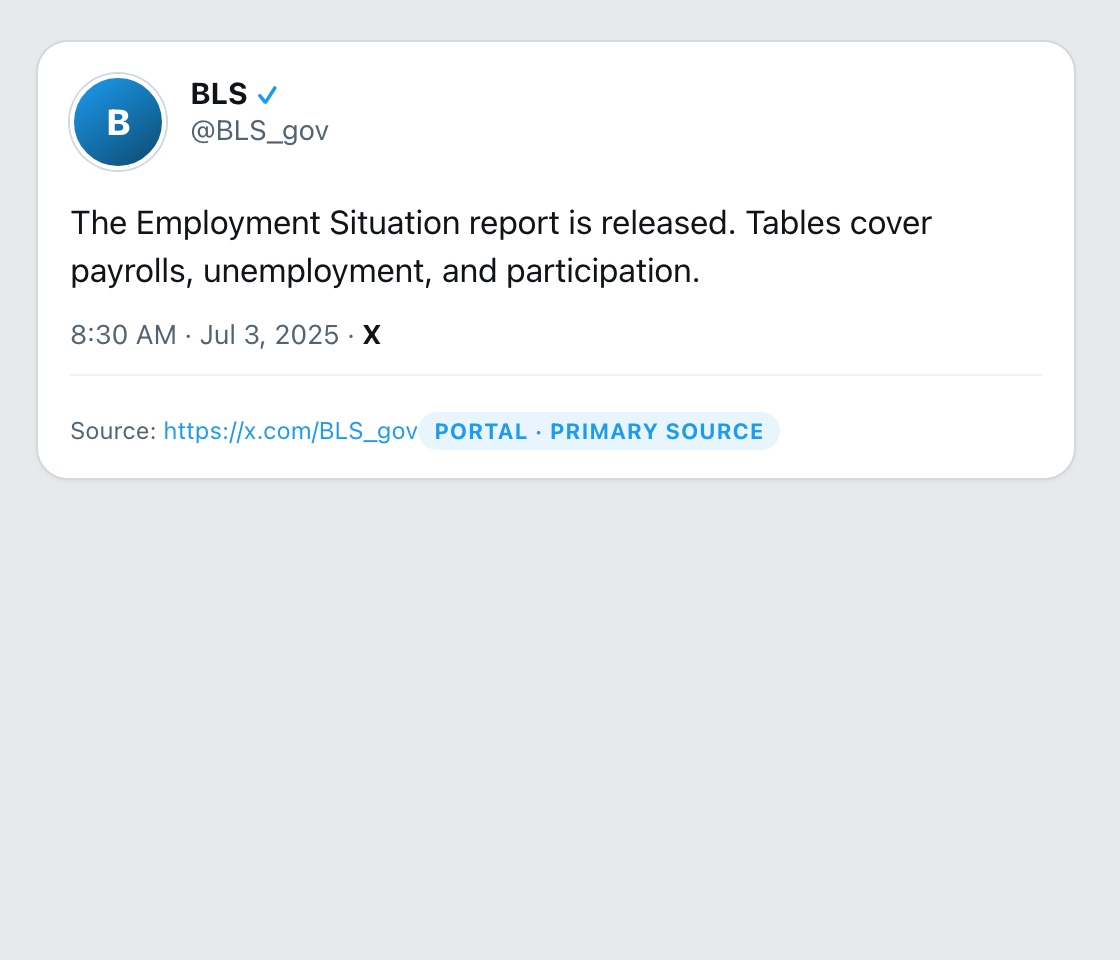
Context Matters
Primary sources - historical documents, speeches, letters, and firsthand accounts - provide invaluable insights into the events that shape our society. They are the raw materials from which history is constructed. Yet, in a culture increasingly polarized by partisan narratives, the act of engaging with these sources has devolved into a sport of team loyalty. This is troubling, considering that history should serve as a common ground for understanding rather than a battleground for ideological supremacy.

The recent primary source debate surrounding key historical events has illustrated this phenomenon aptly. Take, for instance, the ongoing discussions around the founding documents of the United States. Advocates on both sides of the political spectrum often cherry-pick quotes and interpretations that support their respective agendas, while ignoring the broader context in which those documents were created. This selective engagement leads to a distorted understanding of the principles and ideals they represent.
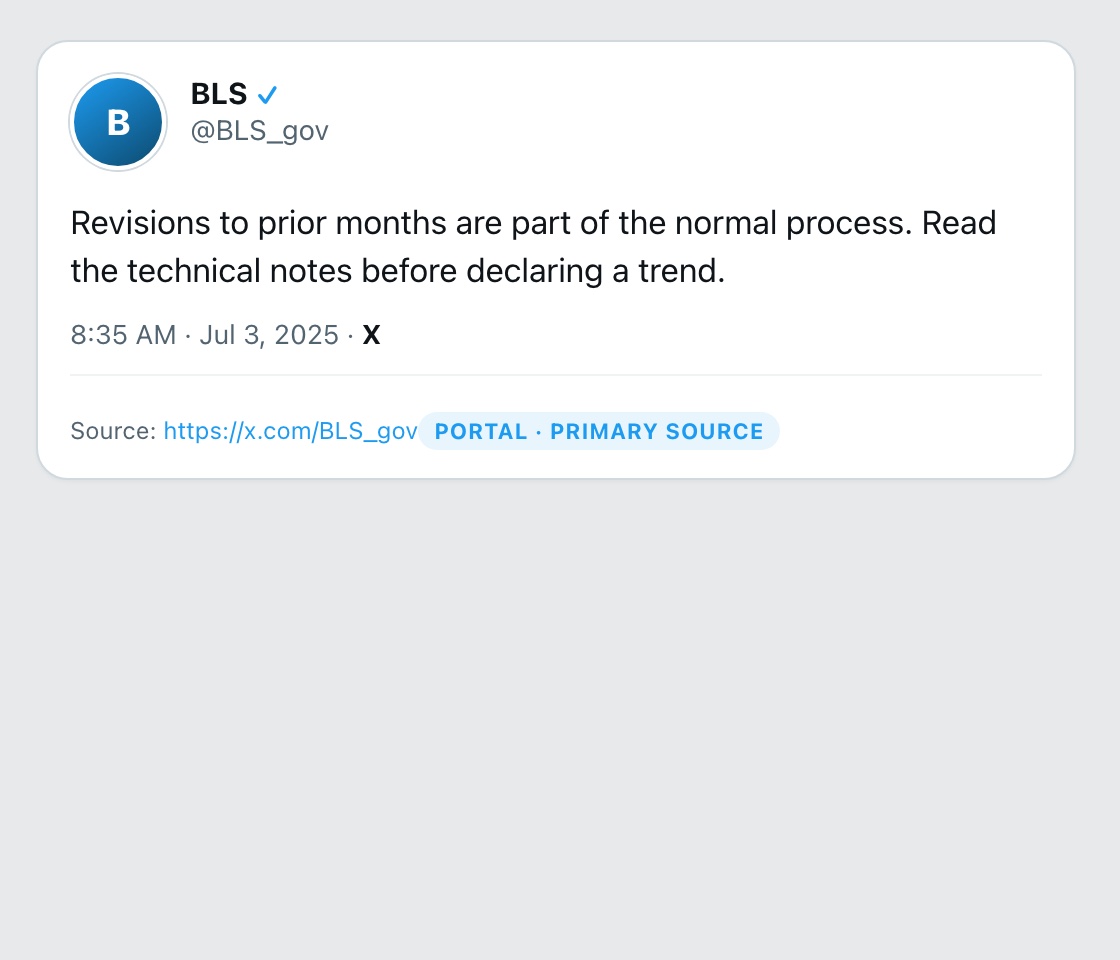
A Call for Intellectual Honesty
It is imperative for scholars, educators, and citizens alike to approach primary sources with intellectual honesty. This means shedding preconceived notions and team jerseys when delving into historical texts. By examining these documents in their full context, we can foster a more nuanced understanding of our history that does justice to the complexities of the past. This is not to say that interpretation is irrelevant; rather, it calls for a more rigorous and honest approach to interpretation.
“When we read history with a bias, we risk repeating the mistakes of the past.”
Moreover, the current environment has made it all too easy to retreat into echo chambers. The left often emphasizes social justice narratives while the right clings to traditionalism, creating a chasm that further complicates our ability to engage with primary sources in a meaningful way. This not only stunts our growth as individuals but also diminishes the potential for constructive dialogue across ideological lines.

Oversight in Education
One of the quiet failures of oversight in our educational systems is the lack of emphasis on teaching students how to critically engage with primary sources. Instead, many curricula prioritize rote memorization of facts and dates over critical thinking and analysis. This is a disservice to students who are not being equipped with the tools necessary for discerning truth in a world rife with misinformation.
As educators, we must prioritize teaching students how to dissect primary sources critically, considering the author’s background, the historical context, and the intended audience. This approach empowers students to draw their own conclusions rather than simply adopting the prevailing narratives of their time.
The Role of Media
The media landscape also plays a crucial role in shaping public engagement with primary sources. In a climate where sensationalism often trumps substance, the responsibility lies with journalists to provide context and clarity. Too often, news outlets present historical narratives through a lens that reinforces existing biases rather than challenging them. This perpetuates the cycle of misinformation and misunderstanding.
Both sides of the political spectrum have been guilty of this, using selective historical references to validate current positions. This not only misinforms the public but also risks deepening the divides that separate us. It is essential for media professionals to strive for a balanced portrayal of historical events, grounded in primary sources and contextual analysis. Only then can we hope to foster a more informed and engaged citizenry.
Moving Towards a More Nuanced Understanding
As we move forward, the challenge will be to engage with primary sources in a way that transcends partisan divides. This requires a commitment to intellectual honesty, a willingness to embrace complexity, and a recognition that understanding history is not a zero-sum game. It is about building a shared narrative that acknowledges multiple perspectives and fosters a collective understanding of our past.
In conclusion, the ability to read primary sources without the constraints of ideological bias is essential for a healthy democracy. It is time to put aside the team jerseys and engage with history on its own terms. Only then can we hope to cultivate an informed citizenry capable of navigating the complexities of our world.
✦ ✦ ✦