From the file. Written for the paper dated April 2024. Opened in the public stacks July 14, 2026.
In a striking display of partisanship, the recent oversight hearing held by Congress failed to deliver the accountability many citizens expect from their representatives. Instead, it became a stage where political theatrics overshadowed the very essence of oversight.
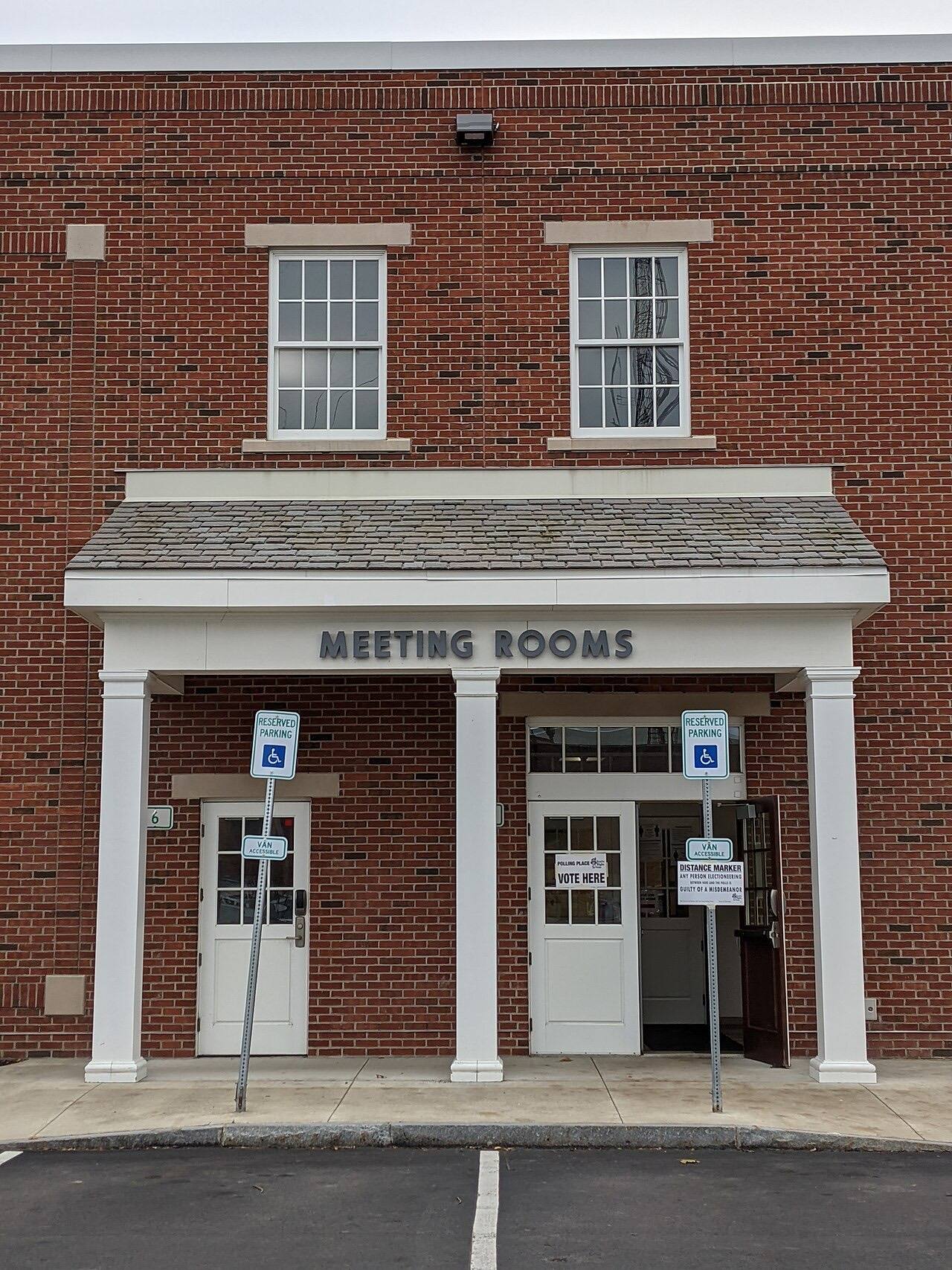
The Show Must Go On
As cameras flashed and soundbites were crafted for the evening news, the hearing rapidly devolved into a spectacle devoid of substance. It was apparent that both sides had come prepared to defend their political turf rather than to genuinely seek the truth. Republicans and Democrats alike donned their team jerseys, ready to score points against one another while crucial issues lingered unaddressed.
Witnesses called to provide testimony found themselves navigating a minefield of leading questions, often framed to elicit responses that fit neatly into pre-existing narratives. From the outset, it was clear that genuine oversight was not on the agenda. Instead, the focus was on partisan posturing, with both parties playing to their respective bases rather than engaging in a meaningful exchange of ideas.
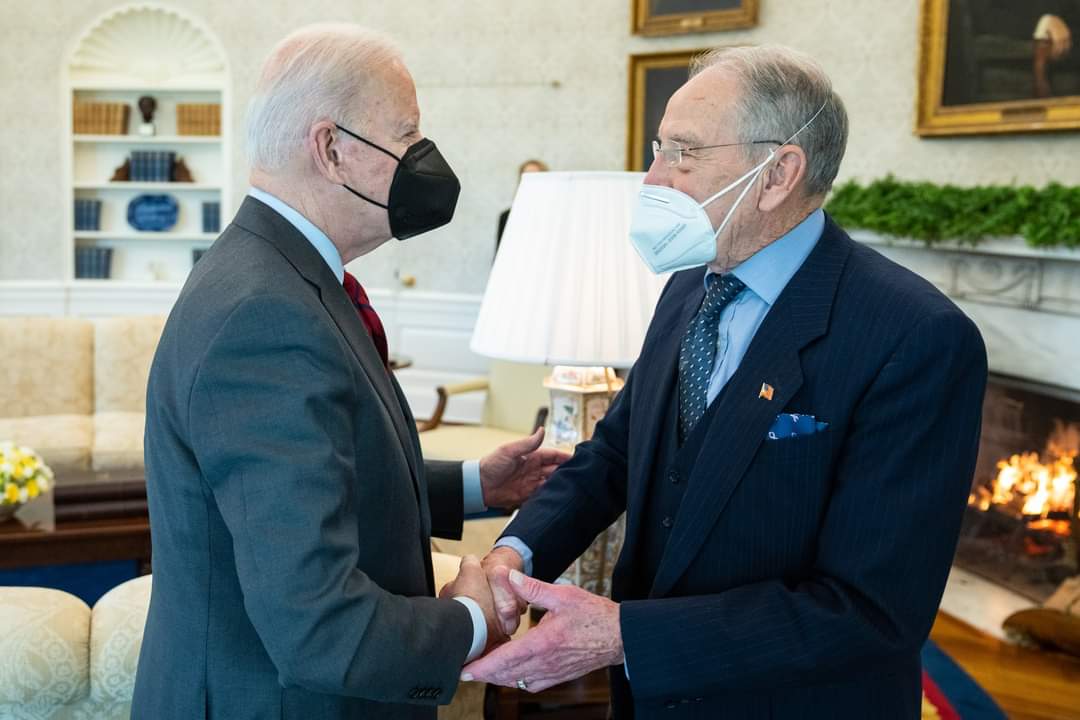
A Culture of Distrust
The fallout from this lack of authentic oversight is profound. Citizens across the political spectrum have voiced their discontent, expressing a growing skepticism toward the institutions meant to serve them. This erosion of trust is not merely a symptom of individual hearings gone awry; it reflects a broader trend where the public perceives government as more of a battleground than a platform for cooperation and accountability.
While the left may decry the right’s unwillingness to engage in constructive dialogue, they too have fallen into the trap of grandstanding. Progressive representatives often prioritize their agenda over bipartisan solutions, leading to a standoff that benefits no one. The result? Key issues such as healthcare reform, climate change, and economic inequality remain unaddressed, left to fester while political games are played in the halls of power.
"When did oversight become a spectator sport?"
The Political Divide Deepens
This hearing is emblematic of a larger trend - the widening chasm between the two parties. With every passing session, the rhetoric escalates, and the willingness to collaborate diminishes. Republicans, who largely oppose measures aimed at government accountability, are quick to dismiss oversight as a partisan attack. Meanwhile, Democrats continue to push narratives that often overlook valid concerns from the right, further alienating potential allies.
The net effect is a government paralyzed by division. The American people are left to wonder whether their representatives are more interested in winning battles than solving problems. This cycle not only frustrates constituents but also undermines the very purpose of oversight: to ensure transparency and accountability in government operations.
What Lies Ahead?
As we look to the future, it is imperative for both parties to reset their approach to oversight. A commitment to genuine dialogue and a willingness to acknowledge shared goals could foster a more productive environment. However, this will require a significant cultural shift within Congress - a move away from the adversarial mindset that has taken hold.
Moreover, constituents must demand better from their elected officials. Grassroots movements and community engagement can play a pivotal role in holding representatives accountable, urging them to prioritize oversight over political posturing. It is essential for voters to recognize that effective governance is not about winning debates; it is about serving the public interest.
In conclusion, the recent oversight hearing serves as a cautionary tale of what happens when political expediency trumps genuine accountability. As citizens, we must demand that our representatives wear the jersey of integrity and transparency, rather than the colors of their respective parties. Only then can we hope to restore faith in our government and ensure that oversight serves its intended purpose.
✦ ✦ ✦