From the file. Written for the paper dated March 2024. Opened in the public stacks July 14, 2026.
As the opioid crisis continues to grip the nation, a nuanced examination of prescription practices reveals a complex landscape marked by both excessive caution and reckless abandon.

Understanding the Prescription Landscape
In recent weeks, discussions around opioid prescriptions have intensified, highlighting not only the dire consequences of addiction but also the challenges faced by healthcare providers. On one side, we see a growing movement advocating for stricter regulations and reduced prescribing rates to combat misuse. On the other, there are concerns that overly stringent measures may hinder legitimate patients from receiving necessary pain relief.
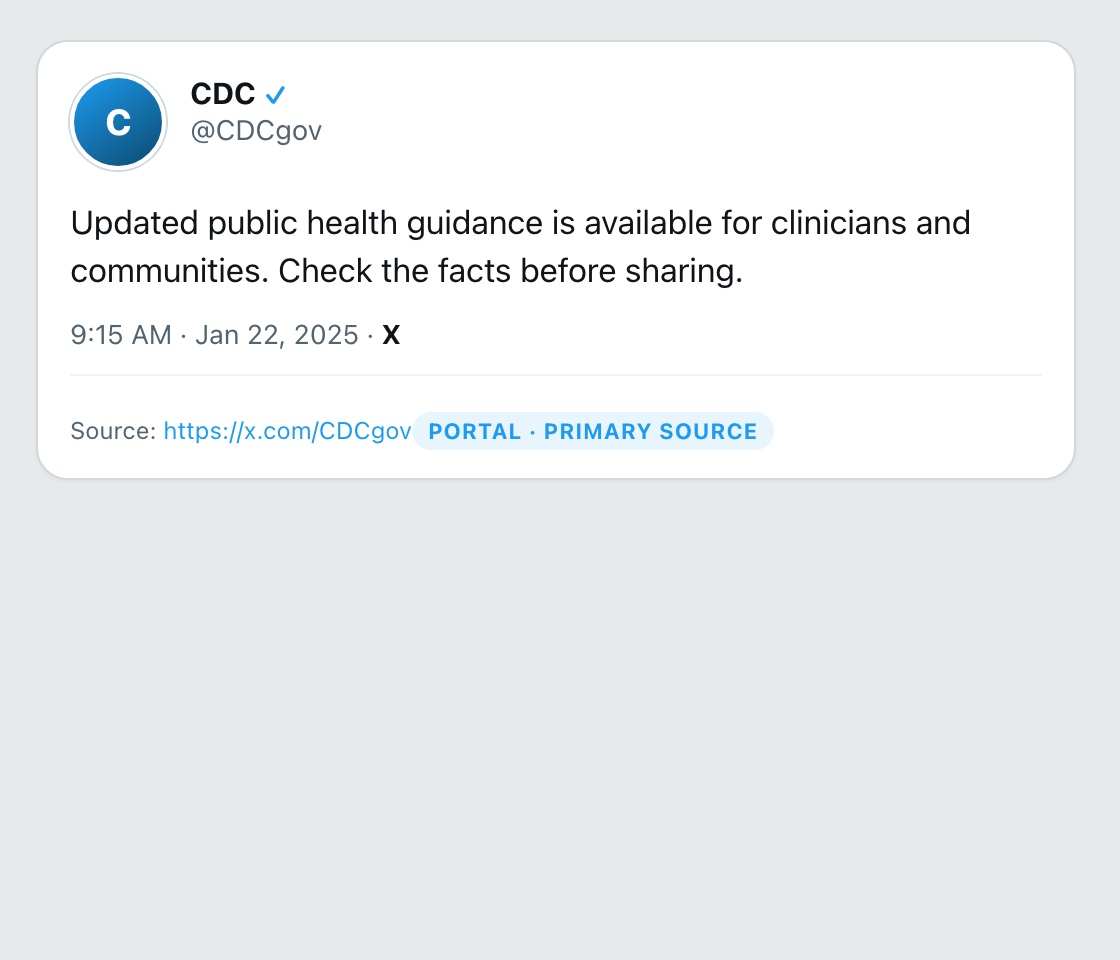
The Centers for Disease Control and Prevention (CDC) has provided guidelines aimed at reducing opioid prescriptions, but the implementation has been uneven. Some states have embraced these recommendations wholeheartedly, while others have taken a more laissez-faire approach, leading to disparities in patient care. This divide raises critical questions about the balance between safety and accessibility in pain management.

"It's essential that we find a middle ground where patients can receive care without risking their lives." - A local pain management physician
The Polarization of Perspectives
Healthcare practitioners find themselves at the mercy of a polarized debate. On one end are advocates who argue that the opioid epidemic is a direct result of overprescribing, pushing for tighter controls that can leave some patients in severe pain. On the other end are those who argue that a cautious approach can lead to undertreatment of pain, especially for vulnerable populations such as the elderly or those with chronic conditions.
This polarization is further exacerbated by the narratives that dominate public discourse. Media portrayals often sensationalize the crisis, leading to public fear and a backlash against physicians who prescribe opioids. As a result, many doctors are hesitant to prescribe these medications, even when they are clinically warranted. This has resulted in a phenomenon known as “opioid phobia,” where healthcare providers fear repercussions more than they prioritize patient care.
Legislative Responses and Their Implications
The legislative landscape surrounding opioid prescriptions is equally fraught. Some states have enacted laws to limit the duration and dosage of opioid prescriptions, aiming to curb misuse. While these laws may be well-intentioned, they inadvertently create barriers for patients who may genuinely require opioids for pain management.
There are also instances of proposed legislation that could further complicate the issue. For example, recent bills aimed at increasing the penalties for overprescribing could deter physicians from prescribing opioids altogether. This creates a chilling effect where medical professionals may opt for less effective treatments, leaving patients to suffer unnecessarily.
"While we need to address the crisis, we must also ensure that patients are not left in the lurch." - A healthcare policy analyst
Finding a Middle Ground
To navigate this treacherous terrain, a middle ground is essential. This means fostering a collaborative environment where healthcare providers can communicate openly about their concerns regarding opioid prescriptions without fear of reprisal. Furthermore, it requires advocating for better education on pain management that encompasses both the potential benefits and risks of opioids.
Patients, too, must be engaged in this conversation. Empowering individuals to advocate for their own health, while also providing them with comprehensive information about their treatment options, can lead to more informed decisions. This collaborative approach not only respects the complexities of pain management but also acknowledges the very real risks associated with opioid use.
Conclusion: A Call for Compassionate Care
As we reflect on the current state of opioid prescriptions, it is vital to recognize the duality of the issue at hand. We must address the epidemic with urgency while also ensuring that patients in need of pain relief are not forsaken in the process. The path forward requires compassion, dialogue, and a commitment to understanding the nuanced needs of those affected by both pain and addiction.
✦ ✦ ✦