From the file. Written for the paper dated March 2024. Opened in the public stacks July 14, 2026.
In the swirling currents of the American economy, interest rates are once again taking center stage. With the Federal Reserve’s latest decision looming, both sides of the political spectrum are engaging in a passionate debate about the implications of potential rate changes.
The Current Landscape
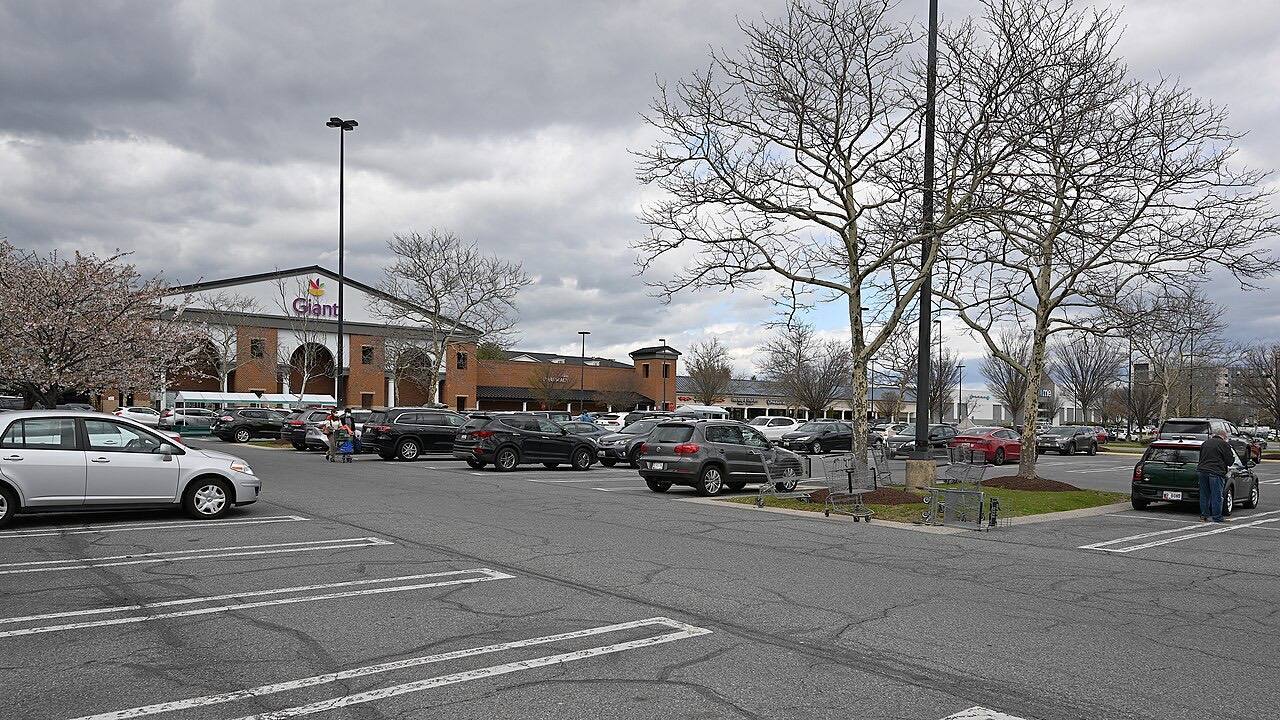
The latest figures show interest rates hovering at levels not seen in years - a reflection of the Fed's aggressive stance to combat inflation. Rates have risen steadily, leaving many consumers feeling the pinch of higher mortgage payments and credit costs. On one side, the left argues for a more tempered approach, expressing concern that continued hikes could stifle economic growth and disproportionately affect lower-income households. On the other side, the right champions the Fed's actions as necessary to curb inflation, often downplaying the immediate struggles of average Americans.

“We must prioritize the long-term health of our economy over short-term convenience.”
This stark division in opinion highlights an essential truth: both sides are overreaching in their rhetoric. The left tends to romanticize the idea of a more gradual approach to interest rate hikes without fully considering the risks of unchecked inflation. Meanwhile, the right often overlooks the very real consequences of high rates on everyday citizens, framing the issue primarily in terms of macroeconomic stability rather than individual hardship.
Market Reactions
As interest rates fluctuate, the financial markets have responded with volatility, reflecting investor uncertainty. Stock prices have seen sharp declines in response to fears that the Fed will continue on its current path. The markets' reaction serves as a reminder of the interconnectedness of interest rates and economic confidence. It is a delicate balance that requires a thoughtful, measured response from policymakers.
Investors are not the only ones feeling the impact. Homebuyers are facing increased costs as mortgage rates climb, leading to a cooling housing market. The left frequently highlights the struggles of first-time buyers and renters, but their advocacy often lacks a nuanced discussion of the broader economic implications. On the flip side, the right tends to focus solely on the need for fiscal discipline, neglecting the human cost of their policies.
The Political Divide
The debate over interest rates serves as a microcosm of the larger political divide in the United States. Voices from the left call for a reassessment of the Fed's priorities, urging a focus on employment and consumer welfare. They argue that policies should reflect the needs of working families rather than abstract economic theories. The right, conversely, frames their argument around the necessity of controlling inflation, often invoking the specter of past economic crises as justification for their hardline stance.
“Inflation is the enemy, and we must do whatever it takes to defeat it.”
This polarized discourse leaves little room for a middle ground, which is precisely what is needed. A balanced approach that considers both inflation control and the economic realities facing Americans is essential for crafting effective policy. As interest rates continue to rise, the consequences of this divide will be felt across all sectors of the economy.
A Call for Pragmatism
As policymakers prepare for upcoming discussions, there is a pressing need for pragmatism. The Fed must navigate the challenging terrain of rising rates while also considering the socio-economic impacts of their decisions. It is crucial for both sides to recognize that while controlling inflation is important, so too is fostering an environment where everyday Americans can thrive.
In this moment, the call for moderation and understanding should resonate loudly. It is time for a measured approach that acknowledges the complexities of the current economic climate and seeks solutions that benefit all citizens, rather than succumbing to the extremes of partisan politics.
✦ ✦ ✦