From the file. Written for the paper dated March 2024. Opened in the public stacks July 14, 2026.
As debates around healthcare financing continue to heat up, the conversation surrounding hospital costs reveals the stark realities that both patients and providers face. This week, we delve into the complexities of hospital pricing, scrutinizing the claims and counterclaims from both sides of the political spectrum.

Understanding the Cost Landscape
Hospital costs have been a contentious topic for years, with advocates on the left arguing for more transparency and regulation, while those on the right often call for market-driven solutions. This week, various reports and analyses provided insight into the state of hospital costs, but the narratives often diverged dramatically, depending on the source.
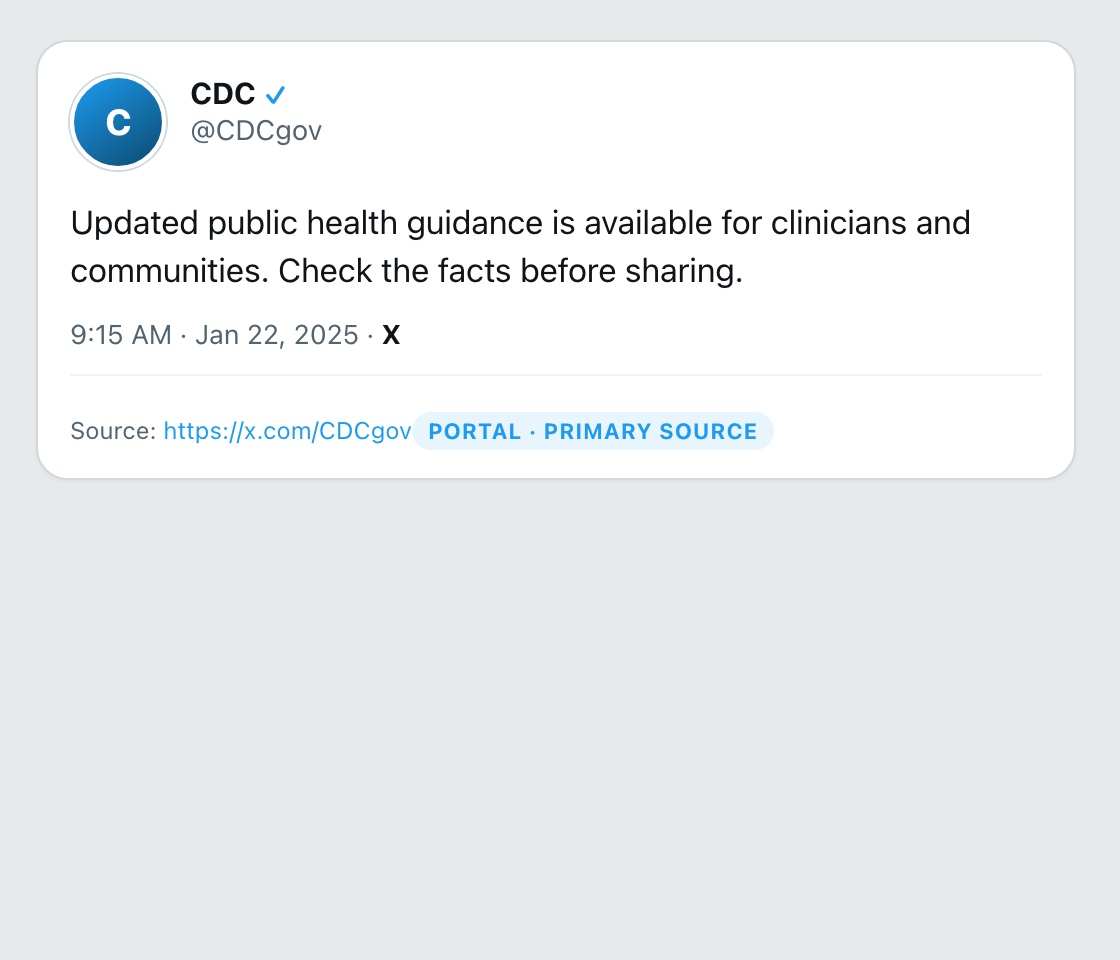
According to a report from a nonprofit healthcare advocacy group, hospital prices have surged significantly over the past decade, outpacing inflation and placing an enormous burden on patients. They argue that the system is plagued by a lack of transparency, with patients often blindsided by exorbitant bills after receiving care. On the other hand, some conservative think tanks assert that these rising costs are a direct result of regulatory overreach and that a more free-market approach would drive prices down. This polarization complicates the issue, making it difficult for the public to discern the truth.

The Left's Call for Transparency
Progressives assert that the key to addressing hospital costs lies in increased transparency and accountability. This week, several left-leaning lawmakers introduced legislation aimed at mandating hospitals to disclose their pricing structures clearly. They argue that empowering consumers to understand costs beforehand would foster competition and ultimately bring prices down.
"Patients should never be left in the dark about the costs of their care. Transparency is essential for fair pricing." - A progressive lawmaker
However, critics from the right contend that such measures could lead to unintended consequences. They argue that if hospitals are forced to disclose prices, it may stifle innovation and lead to higher costs overall as providers adjust to a more regulated environment. This tension highlights a fundamental question: can transparency truly lead to lower costs, or does it risk complicating an already complex system?
The Right's Market-Driven Solutions
On the flip side, conservative commentators have been vocal about their belief that the solution to high hospital costs lies in deregulation and competition. This week, a prominent right-leaning think tank released a report advocating for the expansion of Health Savings Accounts (HSAs) as a means to empower consumers and drive down costs.
Supporters of this approach argue that when patients have more control over their healthcare spending, they will make more cost-conscious decisions, leading to lower prices across the board. However, critics warn that this approach may disproportionately benefit those who are already financially secure, leaving vulnerable populations without adequate care.
Finding a Middle Ground
The stark differences in viewpoints highlight a broader issue within the healthcare debate: the difficulty of finding a middle ground. While both sides present compelling arguments, the reality is that hospital costs are influenced by a myriad of factors, including administrative expenses, the cost of medical supplies, and the salaries of healthcare professionals.
Moreover, the narrative surrounding hospital costs often oversimplifies the issue. While transparency and competition are important, they are not silver bullets. A more nuanced approach that considers the needs of all stakeholders - patients, providers, and payers - is essential for creating a sustainable healthcare system.
Conclusion: The Way Forward
As we reflect on the discussions of this week, it is clear that the healthcare debate must evolve beyond left versus right. The complexities of hospital costs demand a collaborative approach that draws from the strengths of both perspectives. Policymakers should be encouraged to engage in constructive dialogue, seeking solutions that prioritize patient care while also promoting a sustainable economic model for hospitals.
In the end, the goal should be to create a healthcare system that is accessible, affordable, and equitable for all Americans. Only through cooperative efforts can we hope to navigate the challenging waters of hospital costs effectively.
✦ ✦ ✦