From the file. Written for the paper dated February 2024. Opened in the public stacks July 14, 2026.
As excitement builds around the latest space launch, the focus often shifts to the dazzling technology, the thrill of liftoff, and the race for exploration. Yet, beneath the surface of this awe-inspiring spectacle lies a critical component rarely discussed: the intricate and often unglamorous procedures that ensure a successful mission.
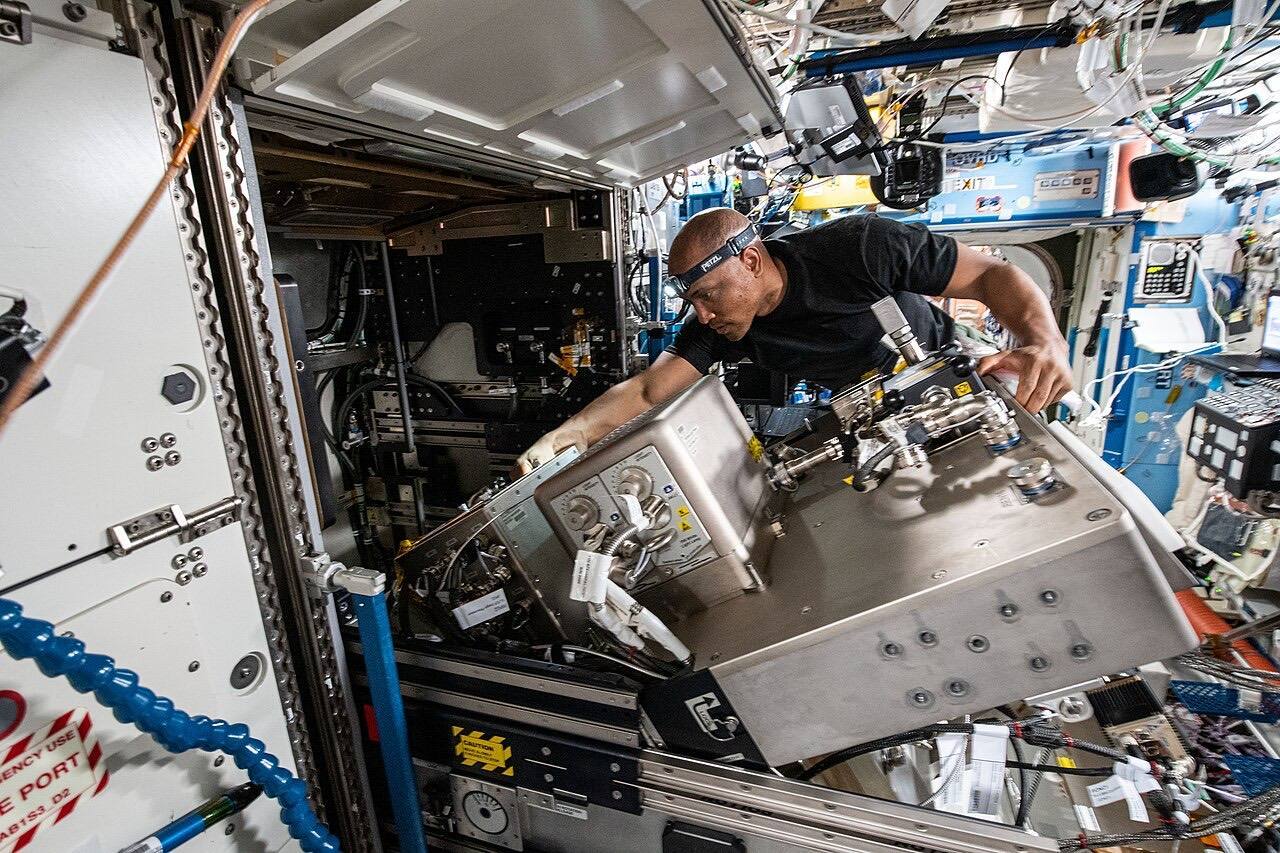
The Unseen Backbone of Space Exploration
In recent years, the public's fascination with space travel has reached unprecedented heights. From private companies launching their own missions to government agencies embarking on ambitious exploration projects, the narrative is often dominated by tales of innovation and heroism. However, the reality of a space launch entails a complex web of procedures, protocols, and safety measures that are crucial yet overlooked.

Consider the countdown to launch. While the final minutes are thrilling, the weeks and months of preparation leading up to it are filled with countless checks and balances. Engineers, technicians, and scientists work tirelessly to ensure that every component of the spacecraft is meticulously examined and tested. This is not the glamorous side of space exploration, but it is vital for mission success.

"The public tends to romanticize the launch, but the truth is, it's the meticulous preparation that keeps astronauts safe." - Anonymous aerospace engineer
Safety First: The Cost of Neglect
In the rush to celebrate advancements in space technology, there is a tendency to overlook the consequences of neglecting safety protocols. Recent incidents highlight the dangers of prioritizing speed and spectacle over thoroughness. Companies may be tempted to cut corners in their quest to beat competitors to the next milestone, a choice that can have dire implications.

Take, for instance, the recent rash of scrubs and delays caused by technical glitches. While some may view these as mere inconveniences, they are often the result of a rigorous safety culture that prioritizes human life over public relations. Engineers are not just working against the clock; they are making calculated decisions to protect their teams and the astronauts who trust them with their lives.
The Balancing Act of Innovation and Caution
The landscape of space exploration is dominated by two opposing forces: the desire to innovate rapidly and the necessity of caution. On one hand, the push for faster, cheaper missions encourages agencies and companies to embrace new technologies. On the other, this eagerness can lead to risky decisions that compromise safety and mission integrity.

As we celebrate the advancements in reusable rockets and commercial spaceflight, it is essential to remember that these innovations come with their own sets of challenges. The temptation to rush to market can overshadow the foundational practices that have kept space travel safe for decades. A failure to strike the right balance can lead to setbacks that ultimately hinder progress.
"Innovation without caution is a recipe for disaster. We need to learn from our failures, not just our successes." - Industry analyst
Public Perception and Responsibility
The media plays a pivotal role in shaping public perception of space launches. With every launch, the narrative often emphasizes the grandeur of the event, overshadowing the hard work and potential risks involved. This can create unrealistic expectations and a lack of understanding about the true nature of space exploration.
For instance, when a launch is delayed due to safety concerns, the public may perceive it as a setback or a failure. However, these delays often represent the responsible decision-making that prioritizes safety over spectacle. It is crucial for media outlets to convey the complexities of space missions, highlighting the unsung heroes who work behind the scenes to make these extraordinary endeavors possible.
Conclusion: Embracing the Complexity
As we look toward future missions and the possibility of interplanetary travel, it is imperative to embrace the complexity of the procedures that underpin these endeavors. The excitement of a launch should not eclipse the importance of safety, preparation, and thoroughness. By fostering a culture that values both innovation and caution, we can pave the way for a more sustainable and responsible approach to space exploration.
✦ ✦ ✦