From the file. Written for the paper dated February 2024. Opened in the public stacks July 14, 2026.
As the redistricting process unfolds across the country, the political landscape is being reshaped in ways that few are willing to confront directly. The procedure - often mired in partisan contention - reveals the stark divisions within American politics, as both sides leverage these opportunities for their own gain.
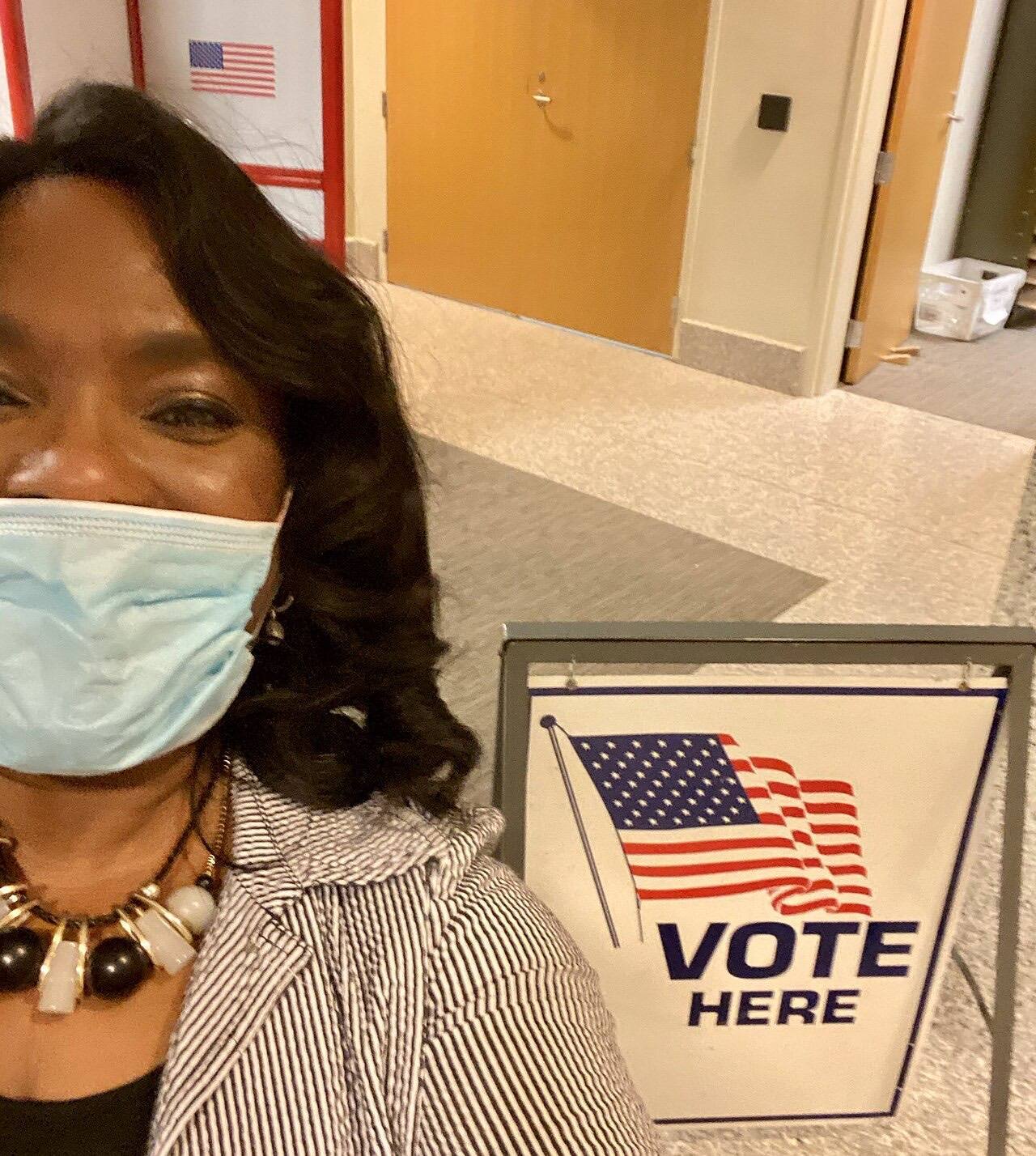
The Unspoken Reality of Redistricting
The redistricting process, mandated by the Constitution after every decennial census, is intended to ensure fair representation in Congress. However, what often transpires is a complicated game of chess where both major political parties vie for control over district maps. The result? A system that prioritizes party interests over fair representation and voter engagement.

For many Americans, the intricacies of redistricting are far removed from their daily lives. They are more focused on pressing issues such as healthcare, education, and economic stability. Yet, the manipulation of district lines can have profound implications for the very issues voters care about. When districts are drawn to favor one party, it becomes increasingly difficult for opposing voices to gain traction, and the electorate's needs can easily fall by the wayside.
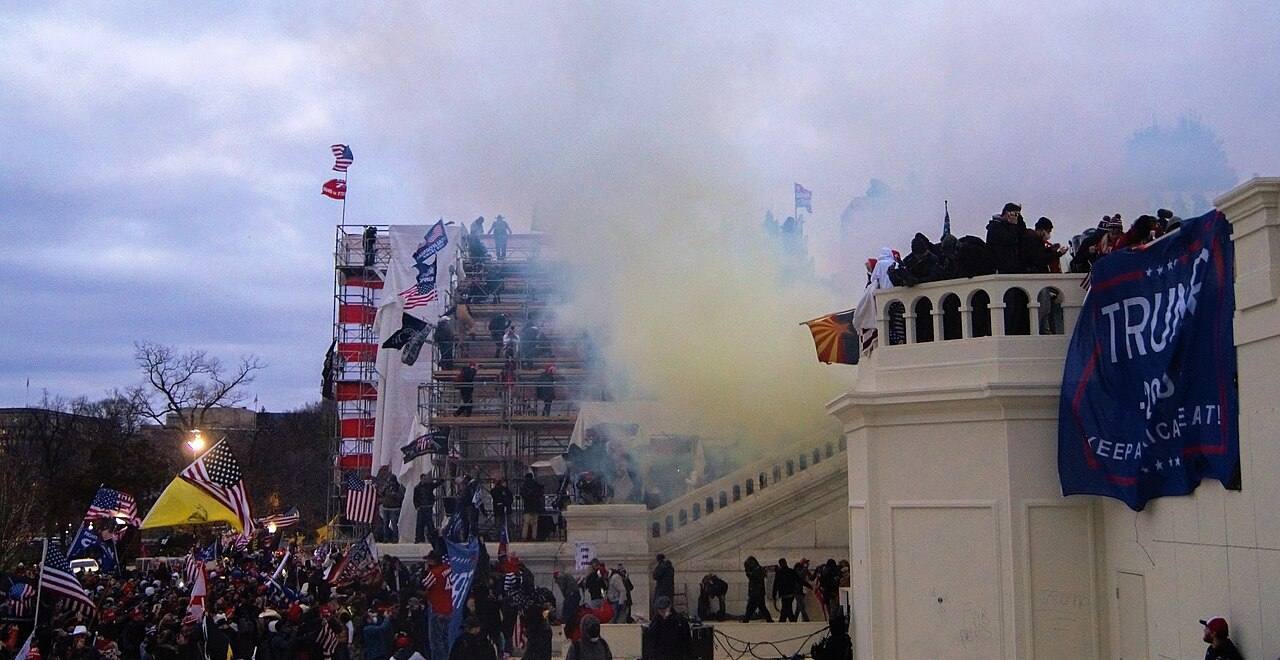
"Redistricting should be about the voters, not the parties. But as we see, the game is rigged." - Political analyst
Bipartisan Blame Game
Both Democrats and Republicans have been guilty of engaging in gerrymandering - drawing district lines in ways that protect incumbents and dilute opposition votes. This has led to a political culture where compromise is rare, and extremism flourishes. As each party entrenches itself in its respective bubble, the governing process becomes increasingly polarized.

The left often criticizes the right for its heavy-handed tactics in redistricting, pointing to states where Republicans have successfully carved out districts that heavily favor their candidates. Conversely, Democrats have also employed similar strategies when in power. This hypocrisy leaves many voters disillusioned, feeling as though their voices are lost in a system designed to benefit the powerful.
The Case for Reform
As frustrations mount, the call for reform is growing louder. Advocates for independent redistricting commissions argue that removing partisan influence from the process is crucial for restoring faith in democracy. By placing the power of drawing district lines in the hands of non-partisan groups, advocates believe that districts can be drawn more fairly, leading to increased competition and better representation of voter interests.

Yet, the push for reform faces significant obstacles. Both major parties have a vested interest in maintaining the status quo, as gerrymandering has proven advantageous for incumbents. Efforts to establish independent commissions have often met with resistance, as lawmakers fear losing their grip on power. This reluctance to change speaks volumes about the priorities of those in charge.
The Voter's Dilemma
For voters, the consequences of this political maneuvering are palpable. Many feel trapped in a system that prioritizes party loyalty over their needs. With the majority of districts drawn in ways that favor one party, individuals may feel their votes carry less weight, leading to apathy and disengagement from the electoral process.
This sense of disenfranchisement is particularly pronounced among young voters, who are increasingly disillusioned by a system they perceive as rigged. If the trends continue, we could see a generational divide in political engagement, with younger voters opting out of a system that seems to have little regard for their voices.
Conclusion: A Call to Action
As redistricting efforts unfold in 2024, it is crucial for voters and activists to engage with the process. Recognizing the implications of district lines is the first step toward demanding accountability from elected officials. A more informed electorate can advocate for reforms that prioritize representation over partisan interests.
It is time for both sides to put aside the team jerseys and engage in a discussion about the integrity of our democratic processes. Redistricting should serve the people, not the political machines that seek to control them.
✦ ✦ ✦