From the file. Written for the paper dated February 2024. Opened in the public stacks July 14, 2026.
As labor strikes continue to make headlines across the nation, a crucial aspect of the movement remains largely unaddressed: the procedural complexities that often complicate the narrative.
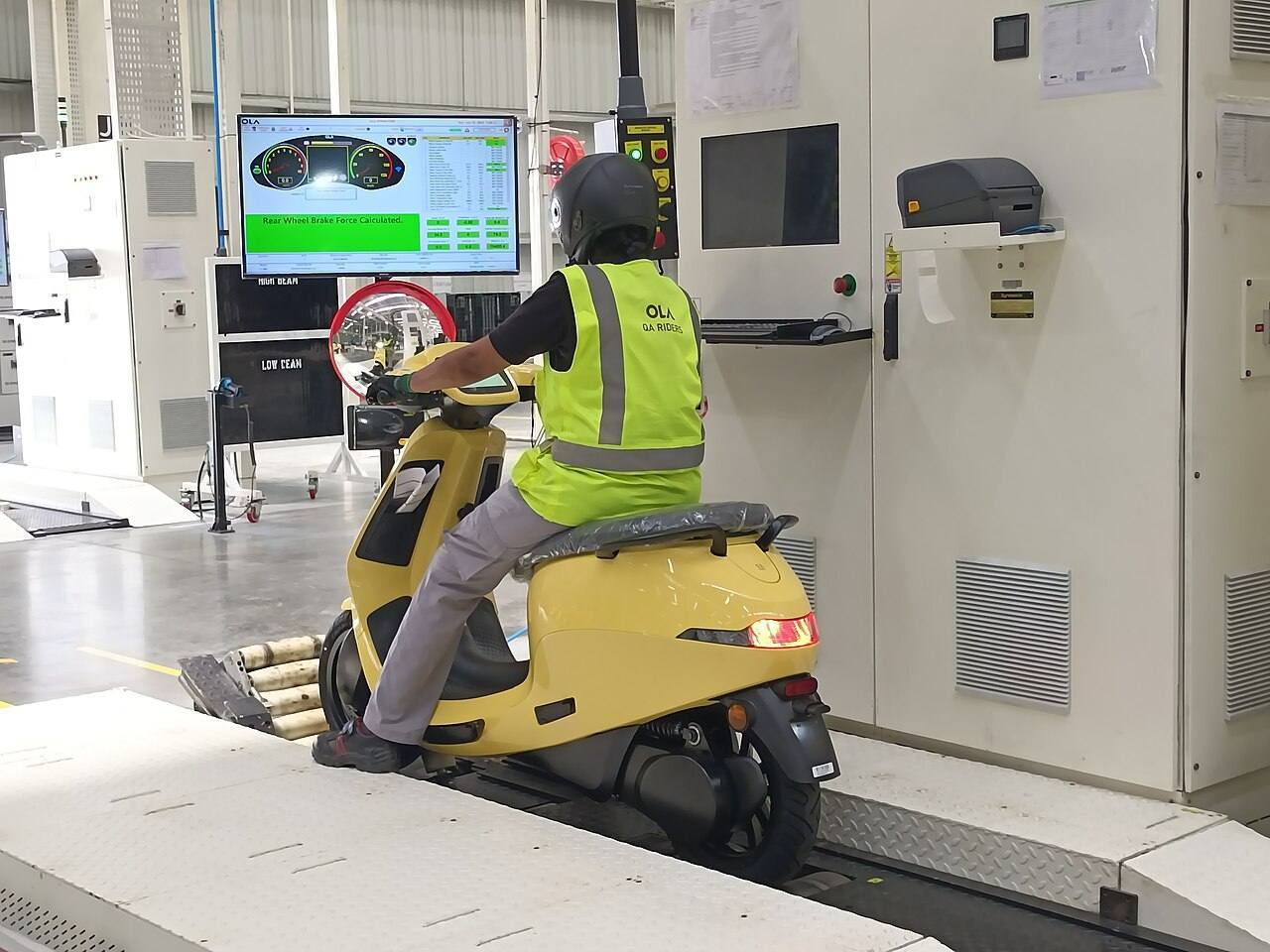
The Anatomy of a Strike
In February 2024, the landscape of labor strikes has been dynamic, with workers from various sectors demanding better wages, benefits, and working conditions. The public focus tends to gravitate toward the striking workers, their banners, and the political rhetoric from unions and management. However, what often goes unexamined are the procedural elements that underpin these strikes, elements that can significantly affect their outcomes.

When a labor strike is initiated, it is not simply a spontaneous act of defiance; it is often the culmination of lengthy negotiations, disputes, and, in many cases, a failure of communication. Both sides - management and labor - engage in a complex dance that involves legal frameworks, economic realities, and public sentiment. The process of reaching a strike vote, for instance, is a critical yet rarely discussed step that requires not only a majority of union members to agree but also an understanding of the potential repercussions.

Union Dynamics and Member Sentiment
The role of unions in this process is pivotal. Unions must balance the desires of their members with the realities of negotiation strategies. Pressure can mount from both sides: members may demand immediate action, while union leaders often advocate for a more measured approach, emphasizing the necessity of a strong position during negotiations.
"A strike is not just an act of protest; it's a strategic decision that weighs the risks and rewards for all involved."
Moreover, the sentiment among union members can be volatile. Economic pressures, job security, and workplace conditions can lead to a quick escalation in demands, but the road to a strike is fraught with uncertainty. A strike can alienate public support or lead to backlash from management, further complicating the union's position.
The Role of Management
On the flip side, management often adopts a defensive posture when faced with the prospect of a strike. Communicating effectively with employees while also addressing shareholders' concerns can create a challenging environment. Executives may resort to a “hard line” approach, believing that a show of strength will deter workers from striking. This can lead to an escalation of tensions, ultimately resulting in a situation where both sides dig in their heels, making resolution increasingly difficult.
It's essential to recognize that, while labor strikes can be framed as battles between the oppressed and the oppressor, the reality is rarely so clear-cut. Both labor and management have vested interests that must be considered in any negotiation. When one side refuses to budge, the potential for a prolonged strike increases, often leading to economic hardship for workers and companies alike.
Public Perception and Media Narratives
In the court of public opinion, the narrative around labor strikes is often oversimplified. Media coverage tends to focus on the dramatic aspects of strikes - picket lines, union leaders giving impassioned speeches, and the occasional clash with law enforcement. However, the subtleties of the negotiation process, the role of mediators, and the long-term implications of a strike are less frequently explored. This lack of nuance can lead to public misunderstanding and misplaced animosity toward one side or the other.
As the left often champions workers' rights and calls for solidarity in labor struggles, they sometimes overlook the need for constructive dialogue. On the right, the narrative often swings toward protecting business interests, but this can come at the expense of workers' dignity and rights. Both extremes fail to recognize that a successful resolution benefits all parties involved.
Looking Ahead: Finding Common Ground
As we navigate the complexities of labor strikes in 2024, it is crucial for all stakeholders to engage in open and honest dialogue. The solution to labor disputes should not be framed as a zero-sum game where one side must lose for the other to win. Rather, a collaborative approach that includes mediation and compromise can pave the way for more sustainable outcomes.
In the end, the procedures surrounding labor strikes deserve greater attention. While the passion behind these movements is undeniable, a deeper understanding of the underlying processes can help foster a more constructive environment for both workers and management. If both sides can acknowledge the necessity of compromise and mutual respect, the future of labor relations can shift toward a more harmonious coexistence.
✦ ✦ ✦