From the file. Written for the paper dated February 2024. Opened in the public stacks July 14, 2026.
As the nation gears up for the upcoming census, a contentious battle brews beneath the surface, one that transcends party lines and exposes the procedural complexities that few seem willing to confront.
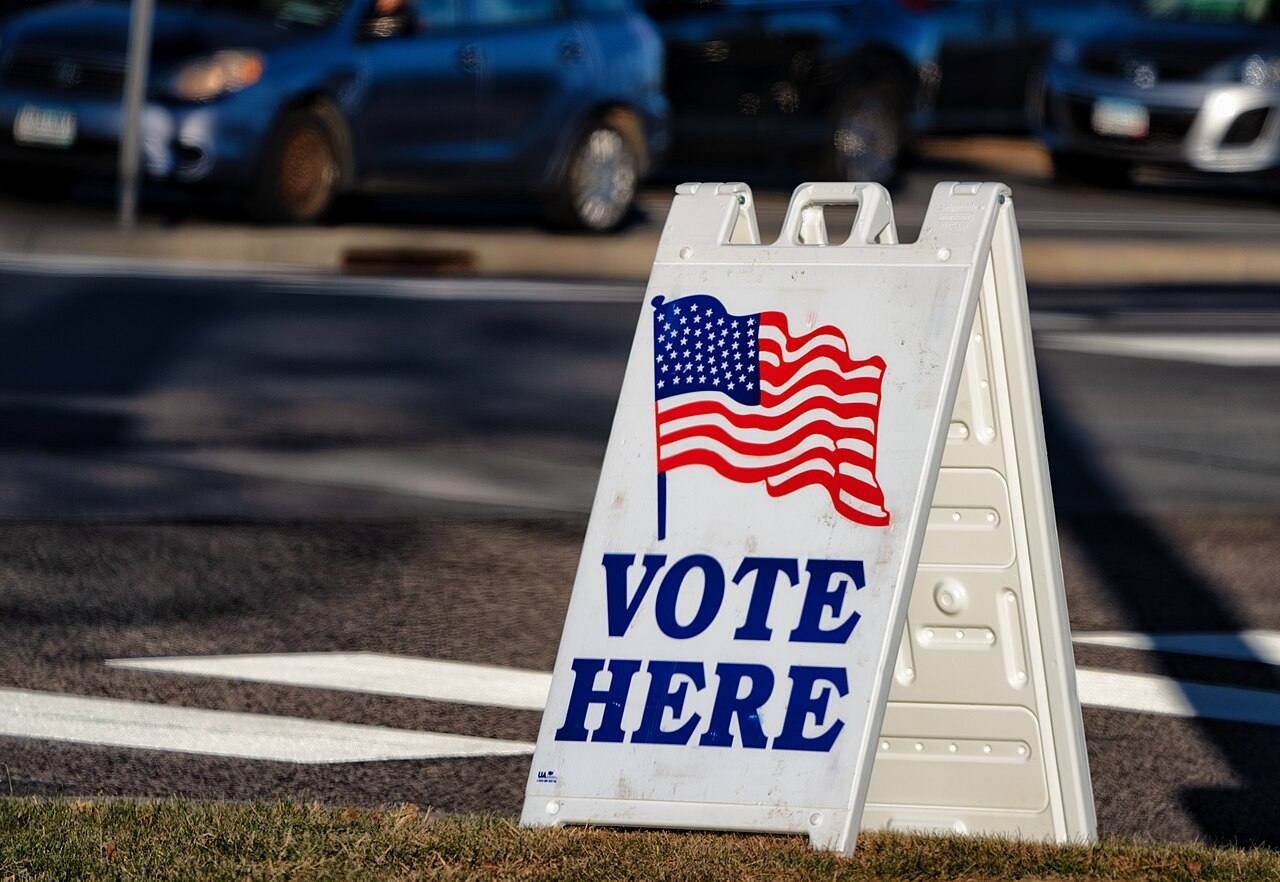
The Stakes of the Census
The census is not merely a headcount; it is a critical mechanism for resource allocation, political representation, and social services. Every decade, this constitutional mandate prompts fierce debates, but the focus often rests on the more visible aspects: how many people reside in each state, who gets what funding, and how districts are drawn. Yet, the underlying processes - the very foundation of the census - remain shrouded in ambiguity and contention.
"The census is a reflection of our democracy, but the mechanics of how we count ourselves are fraught with complications."
Counting the Uncounted
At the heart of the census debate lies the challenge of counting marginalized populations. Low-income households, racial minorities, and undocumented individuals often go uncounted, leading to skewed data that can have lasting repercussions on political representation and resource distribution. Despite the best intentions, the attempts to improve outreach and engagement with these communities seem to falter when the actual counting process begins.
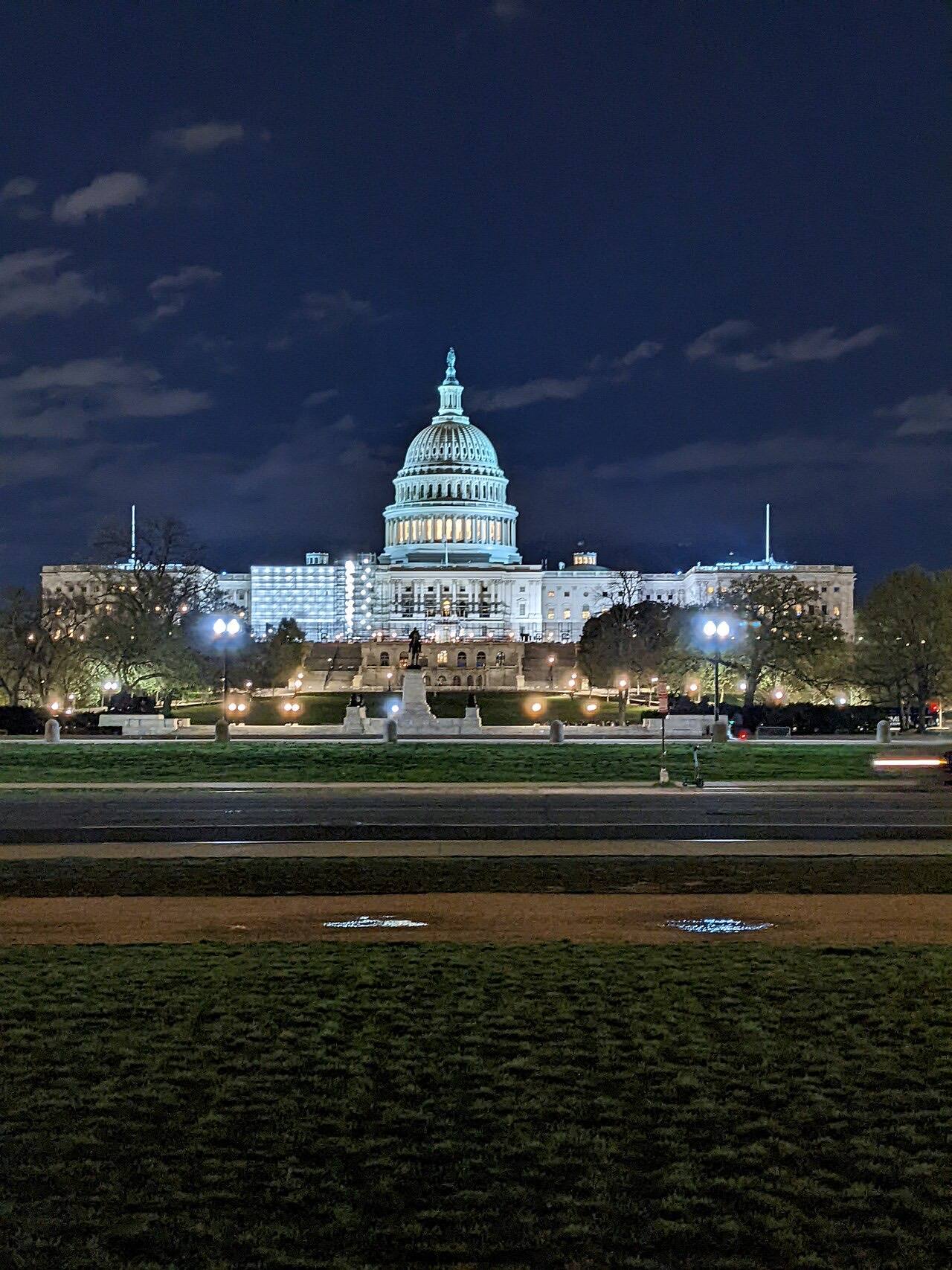
Both sides of the political spectrum have offered their perspectives, yet neither party has addressed the fundamental flaws in the methodology. Critics on the left argue for more inclusive measures, such as community partnerships and better funding for outreach efforts, while those on the right often dismiss these initiatives as unnecessary or too costly. In this polarized environment, a comprehensive solution remains elusive.
Methodological Concerns
Another layer of complexity is the methodology itself. The 2020 census faced multiple challenges, including the pandemic and logistical issues, which have led to calls for a reevaluation of how the census is conducted. The reliance on self-reporting, for instance, raises questions about accuracy and honesty. In an age characterized by mistrust in government institutions, many may hesitate to disclose personal information, further complicating the process.
Political Manipulation
Amidst these procedural issues, there is a growing concern about political manipulation of census data. Partisan gerrymandering has long been a topic of debate, and the census data plays a pivotal role in determining district boundaries. The manipulation of this data can dilute the voices of minority populations, further entrenching political power for those already in positions of authority. Both parties have been guilty of exploiting census data to their advantage, yet they decry the other's actions when in opposition.

"It’s not just about counting people; it’s about the power dynamics that emerge from how we count them."
A Call for Transparency
As the 2024 census approaches, the call for transparency in the process grows louder. Advocates from various sectors argue that a more open approach to census methodologies could foster trust among the public and ensure a more accurate count. This includes clear communication about how data will be used, who will be counted, and what measures are in place to protect individual privacy.
While both parties have their own agendas, the urgency for a fair and accurate census should transcend political affiliation. It is imperative that civic leaders, activists, and everyday citizens work together to confront these issues head-on, rather than allowing them to fester beneath the surface.
The Road Ahead
Ultimately, the 2024 census presents an opportunity for the nation to reflect on the values it espouses. Will we, as a society, prioritize inclusivity and accuracy, or will we fall prey to the partisanship that often clouds our collective judgment? The choice is ours, and it begins with a candid discussion about the procedures that govern the census.
✦ ✦ ✦