From the file. Written for the paper dated December 2023. Opened in the public stacks July 14, 2026.
As the year draws to a close, the ongoing debate surrounding climate change and weather models reveals a troubling trend: both sides of the political spectrum often engage in selective memory, shaping narratives that suit their agendas while ignoring inconvenient truths.
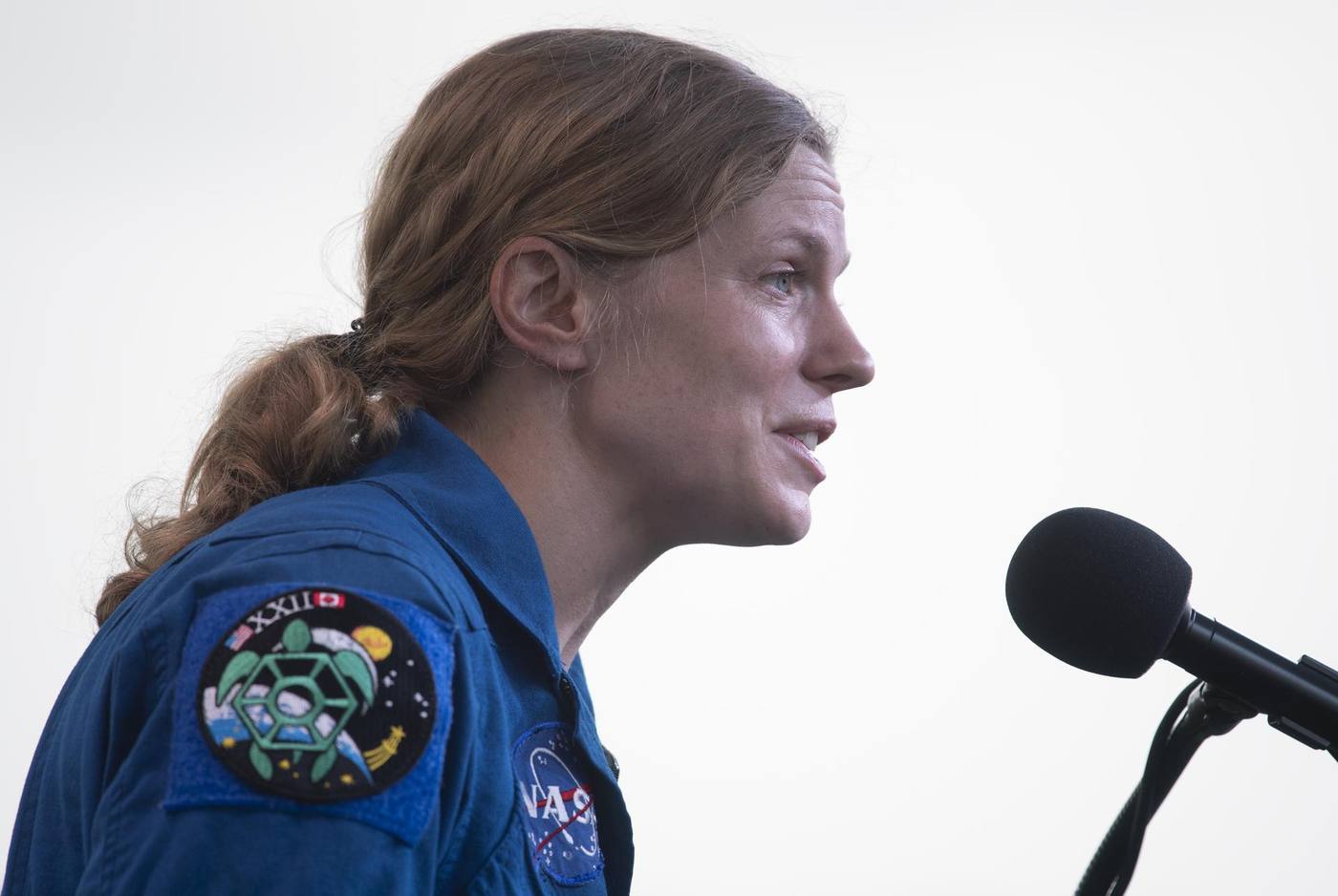
Understanding Weather Models
Weather models serve as the backbone of meteorological predictions, utilizing complex algorithms to analyze vast amounts of atmospheric data. These models have improved significantly over the decades, enhancing our ability to forecast severe weather events and understand climate patterns. However, their reliability isn't without contention.

In recent months, as extreme weather events have become increasingly frequent and severe, both conservatives and progressives have seized upon these models to bolster their respective arguments. The left tends to highlight the models’ predictions to advocate for immediate action on climate policy, while the right often downplays the models’ accuracy, focusing instead on the uncertainties inherent in climate science.

The Left's Selective Memory
Progressives argue that weather models provide clear evidence of anthropogenic climate change. They point to alarming projections regarding rising sea levels and the increasing frequency of hurricanes as a call to action for policies aimed at reducing carbon emissions. Yet, in their fervor, they sometimes overlook instances where models have overestimated the immediacy or severity of certain phenomena. For example, while models predicted catastrophic outcomes from recent hurricanes, some of these storms did not manifest as predicted, leading to a public perception of overreach in climate predictions.
“The models are not perfect, but to ignore their successes in predicting long-term trends is to ignore science itself.”
Moreover, the left often neglects the nuanced discussions within the scientific community regarding the limitations of these models. They may not fully account for natural variability or be overly reliant on certain assumptions about future emissions, leading to projections that may not always align with observed realities. This selective memory can hinder productive dialogue about practical solutions to climate change.
The Right's Dismissal
Conversely, conservatives frequently adopt a dismissive stance towards weather models, arguing that they are flawed and unreliable. This viewpoint is often rooted in a broader skepticism toward climate science, asserting that the models are influenced by political agendas rather than objective data. While skepticism is a critical component of scientific inquiry, the right often ignores the consensus among climate scientists regarding the long-term trends indicated by these models.
This dismissal can lead to a dangerous complacency, particularly as extreme weather events grow more common. By focusing solely on the instances where models have fallen short, the right risks undermining legitimate calls for action based on scientific evidence. Just as the left can cherry-pick data to support their narrative, the right can equally distort the conversation by downplaying the increasing risks we face.
The Need for Balanced Discourse
In the midst of these polarized perceptions, the need for a balanced and nuanced discourse on climate science and weather modeling becomes evident. Both sides must acknowledge the strengths and weaknesses of current models without succumbing to the temptation of selective memory. This begins with recognizing the inherent uncertainties in climate science while also respecting the overwhelming consensus that human activity is driving significant changes in the climate.
One avenue for fostering this balance is through education. Encouraging a broader understanding of how weather models work, their limitations, and the context of climate predictions can help bridge the divide between opposing viewpoints. Engaging with data transparently allows citizens to grasp the complexities of climate science and makes it harder for political factions to manipulate narratives for their gain.
Moving Forward
As we head into 2024, the stakes have never been higher. The impacts of climate change are manifesting in real time, and weather models will continue to play a crucial role in how we respond to these challenges. By fostering an environment of open dialogue and mutual respect for scientific inquiry, we can move beyond the pitfalls of selective memory and work toward solutions that benefit all.
✦ ✦ ✦