From the file. Written for the paper dated December 2023. Opened in the public stacks July 14, 2026.
In a moment of national crisis, the politics of disaster declaration reveal the troubling tendency of both parties to engage in selective memory, often prioritizing political gain over the needs of affected communities.
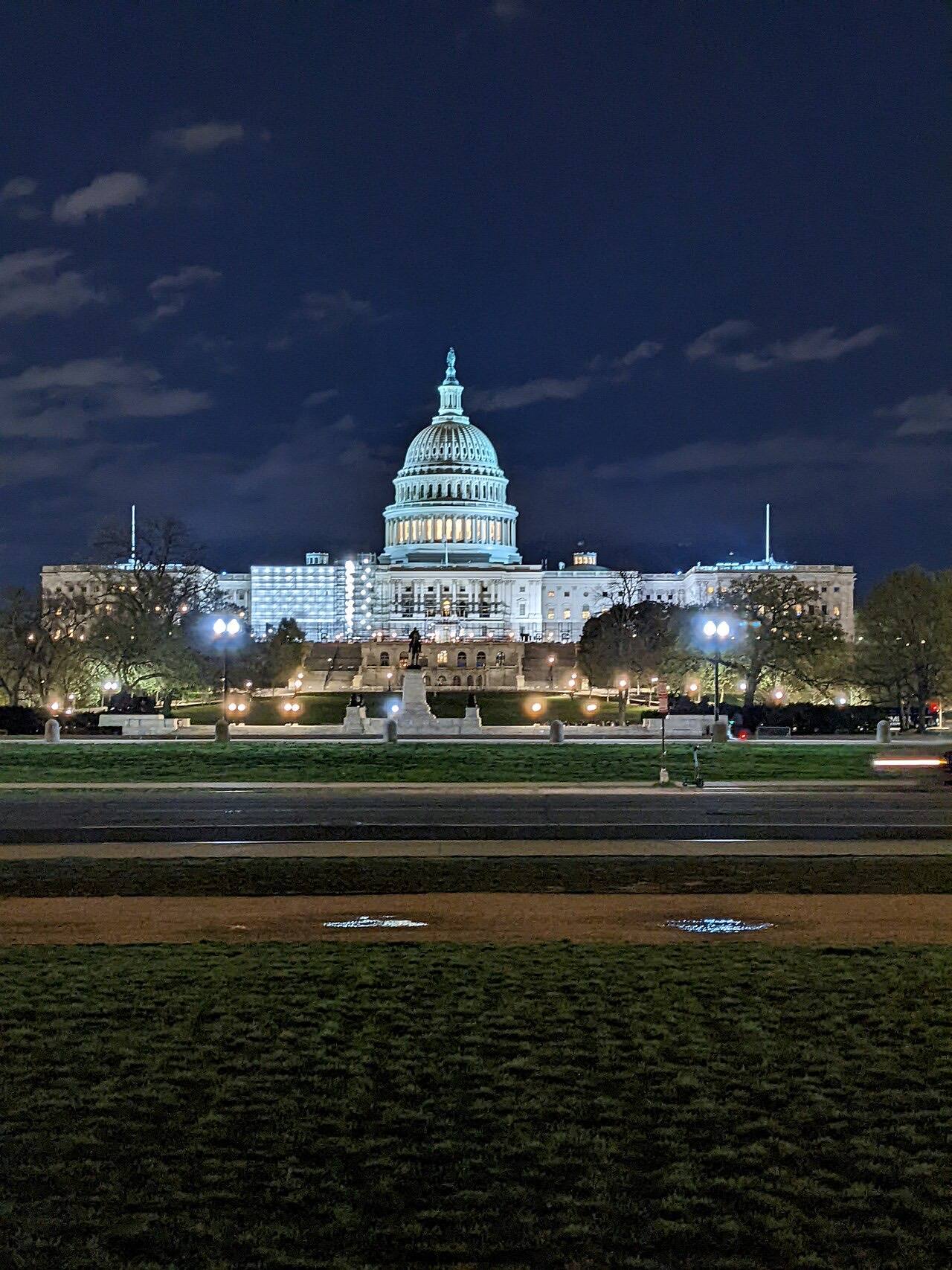
The Politics of Disaster Response
As December unfolds, the United States grapples with an array of environmental disasters, from rampant wildfires in the West to devastating floods in the South. In the wake of these catastrophic events, the discussion around disaster declarations has become a focal point of bipartisan contention. Both sides of the aisle seem to have developed a convenient amnesia regarding their past stances on disaster relief, highlighting a troubling pattern that undermines genuine efforts to aid those in need.
In the aftermath of Hurricane Ida, for instance, the Biden administration swiftly moved to declare a federal disaster in affected areas. This prompt response was hailed by many as a necessary step to provide immediate relief to struggling communities. However, it was not long before Republican leaders began to criticize the administration for what they described as an overreach of federal power, arguing that local and state governments should bear the primary responsibility for disaster response.
Yet, these same Republicans were quick to seek federal assistance for their constituents when disasters struck their own states, often without a hint of irony. This hypocrisy is emblematic of a larger trend in American politics, where leaders selectively remember their principles when it suits their interests. The tendency to demand federal support while simultaneously decrying federal intervention exposes a fundamental disconnect between political rhetoric and the realities faced by everyday Americans.
"When disaster strikes, it's not the time for partisan finger-pointing. Yet, that is precisely what we see each time a new crisis emerges."
Memory Lane: A Short History of Disaster Declarations
Historically, disaster declarations have been a bipartisan issue, with both parties recognizing the need for federal assistance in times of crisis. However, the narrative has shifted dramatically in recent years. The reluctance of some lawmakers to support disaster funding, particularly when it involves climate-related events, indicates a worrying trend of denial and avoidance.
Democrats, too, have not been immune to this selective memory. During the Trump administration, many Democrats were vocal critics of disaster funding requests, often citing concerns over fiscal responsibility. Yet, as soon as they assumed office, calls for sweeping disaster relief measures became a priority. This flip-flopping further complicates the public's perception of political motives, leading to disillusionment and distrust in elected officials.
The Human Cost of Political Gamesmanship
What is often lost in the political fray is the human cost of these decisions. Families displaced by floods, communities torn apart by wildfires, and lives disrupted by disasters deserve immediate and effective support, not political grandstanding. The focus on who gets to claim credit for federal aid or who is deemed worthy of assistance is a distraction from the real work that needs to be done.
In a time when climate change is increasingly recognized as a driving force behind these disasters, the failure of both parties to address the root causes and to work together on a comprehensive response strategy is particularly troubling. Instead of collaborating on sustainable solutions, we witness a cycle of blame and posturing that leaves the most vulnerable at the mercy of the next disaster.
A Call for Genuine Action
In light of these challenges, it is imperative for lawmakers to move beyond partisan bickering and commit to a unified approach to disaster response. This means recognizing that climate change is not just a talking point but a reality that requires immediate action. It also means setting aside political identities and focusing on the needs of constituents who are facing the devastating consequences of disasters, regardless of their political affiliations.
As we approach the new year, it is crucial for both parties to reflect on their positions and the implications of their actions. The American public is tired of the political theater that seems to dominate disaster discussions. Instead, they are yearning for leaders who prioritize human needs over political gain. The time for genuine action is now, and both sides must work together to ensure that disaster relief is not a political football but a moral imperative.
✦ ✦ ✦