From the file. Written for the paper dated November 2023. Opened in the public stacks July 14, 2026.
As headlines fade and the urgency of climate discussions wanes, the integrity of our weather models remains critically under scrutiny. In November 2023, significant questions arise regarding the oversight and effectiveness of these models in accurately predicting atmospheric conditions.
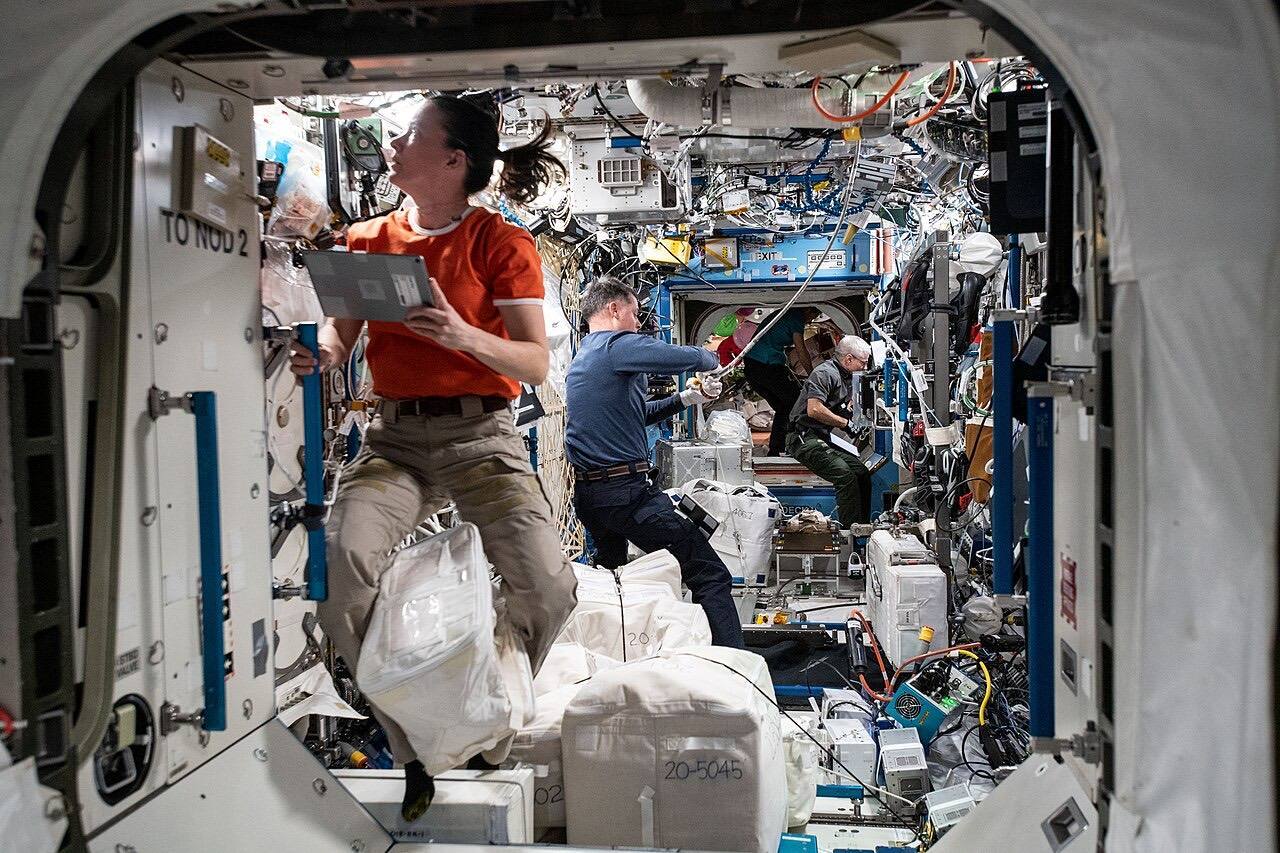
The State of Our Weather Models
With the increasing frequency of extreme weather events, one would expect that our reliance on weather models would be matched by rigorous oversight and validation. However, recent analysis shows that many of these models, which inform everything from daily forecasts to disaster preparedness, are not as reliable as one might hope. The disconnect between the public's perception of weather forecasting and the underlying scientific realities presents a concerning picture.
In recent years, adjustments to models have been made to account for rapidly changing climate variables. While innovation is necessary, the lack of transparency in these adjustments raises alarms. The scientific community is not immune to the pressures of public expectation and media sensationalism. When a model fails to predict an anomaly, the immediate response is not often one of reflection but of defensiveness.
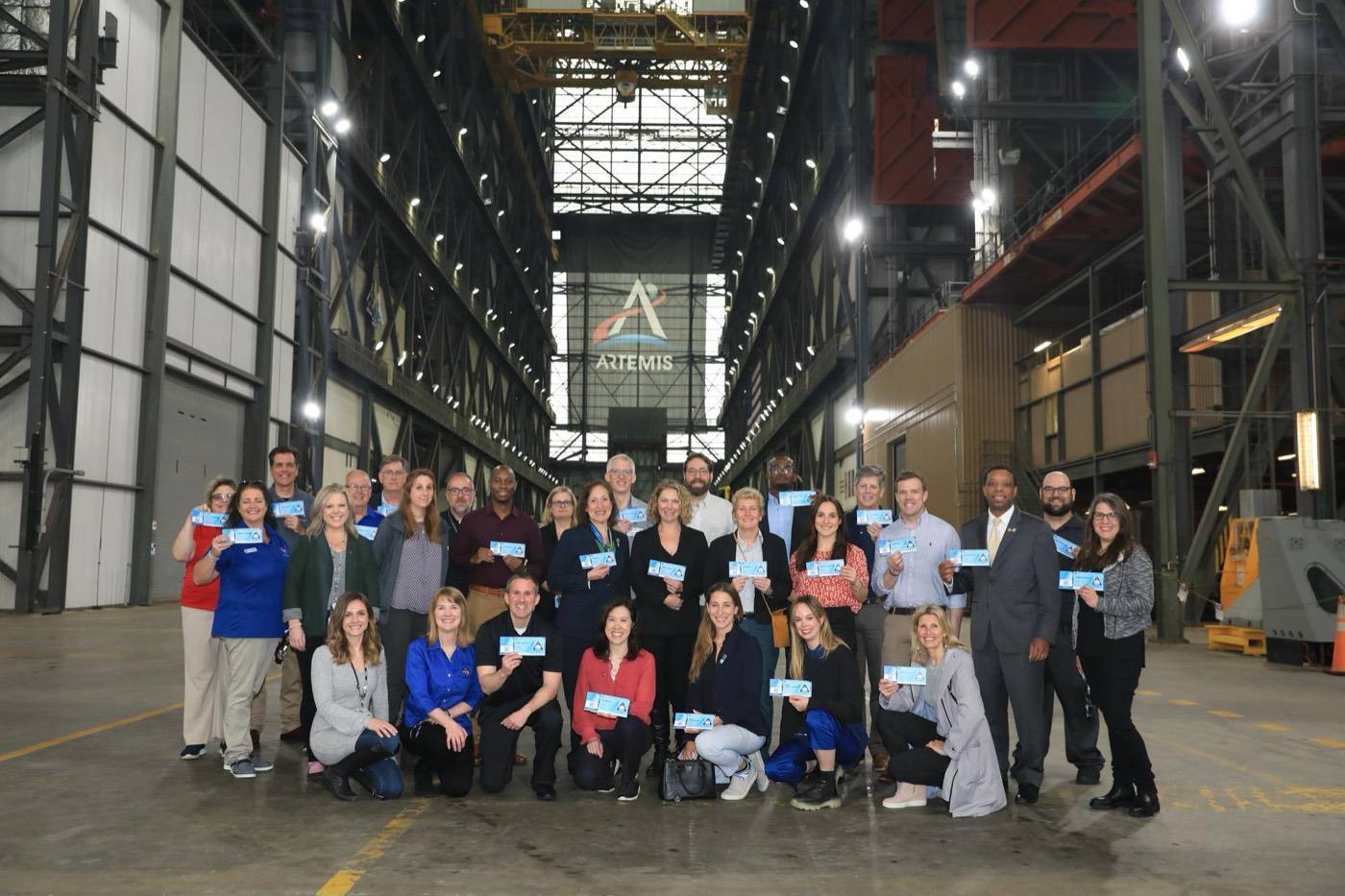
The integrity of our weather models remains critically under scrutiny.
The Pressure of Perfection
Both sides of the climate debate contribute to the pressure surrounding weather models. On one hand, climate activists demand perfection in predictions to drive policy changes. On the other, climate skeptics seize upon any failure, undermining the credibility of the entire scientific community. This dichotomy creates a environment where scientific caution is often overshadowed by the loudest voices in the room.
When a model predicts a hurricane's path with high confidence, but the storm veers off course, the outcry is immediate. Critics on the right may use such failures to dismiss climate science altogether, while those on the left may double down, insisting the models need even more funding and support without addressing inherent flaws. The cycle perpetuates a narrative that oversimplifies complex scientific processes.
Failures in Oversight
A significant concern is the oversight mechanisms governing the development and deployment of these models. Many institutions rely on outdated frameworks that do not account for the rapid advancements in computational capacity and our understanding of atmospheric science. Without adequate peer review and independent validation, there's a risk that models may propagate errors or biases that go unnoticed until the stakes are painfully high.
Moreover, the reliance on proprietary models developed by private entities raises ethical questions. When weather predictions are treated as commodities rather than public goods, the potential for conflicts of interest grows. The public deserves access to transparent and reliable data, yet many forecasts are shrouded in corporate secrecy.
The Role of Communication
Effective communication of risk is crucial. Scientists must navigate the tricky terrain of explaining uncertainty without inducing panic. This requires a delicate balance that is often lost in sensational headlines or political rhetoric. When models are presented as gospel truth, it not only sets unrealistic expectations but also damages the credibility of the scientific community when predictions inevitably fall short.
Both sides of the political spectrum must recognize that the pursuit of truth in science is not a tool for advancing agendas. It is essential that we acknowledge the limits of our knowledge and the inherent uncertainties in predicting weather patterns. The public deserves clear, honest communication that empowers them to understand the complexities of climate science rather than alarm them with oversimplified narratives.
The Path Forward
To improve the reliability of weather models, there needs to be a concerted effort towards enhancing oversight and promoting transparency. This includes encouraging collaboration between public agencies and private firms to ensure that models are subjected to rigorous evaluation. Moreover, fostering an environment where scientists can openly discuss failures will help build trust in the long run.
Investment in research and development is critical, but it must be paired with a commitment to ethical practices. By prioritizing public access to weather data and ensuring that models are continuously validated, we can begin to rebuild public trust in the science of meteorology.
✦ ✦ ✦