From the file. Written for the paper dated November 2023. Opened in the public stacks July 14, 2026.
As headlines fade and the initial shock of conflict subsides, a quiet yet critical debate over war powers emerges, revealing a troubling lack of oversight from both ends of the political spectrum.
Unpacking the War Powers Act
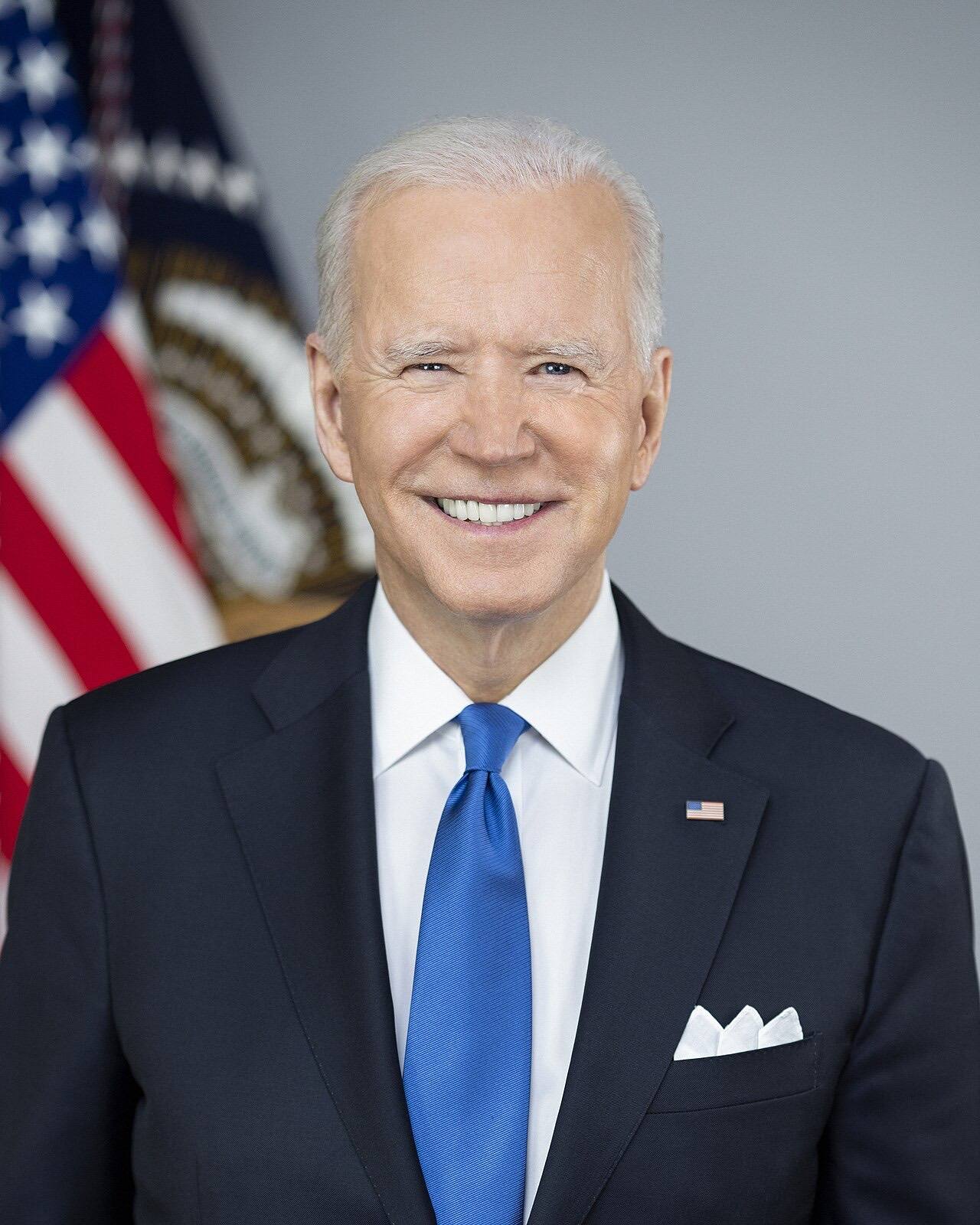
The War Powers Act of 1973 was designed to curb the executive branch's ability to engage military forces without congressional approval. Yet, as the United States finds itself entangled in multiple foreign conflicts, this legislation seems more like a relic of a bygone era than a robust framework for accountability. As military actions continue to escalate, the question arises: where is Congress in this urgent dialogue?
Congressional Apathy
In recent months, Congress has been notably absent from meaningful discussions surrounding war powers. The recent military engagement in the Middle East has sparked outrage and protests; however, lawmakers have largely remained silent. This silence is not due to a lack of public interest; rather, it reflects a disturbing trend of political paralysis, where both parties engage in finger-pointing without taking actionable steps toward oversight.
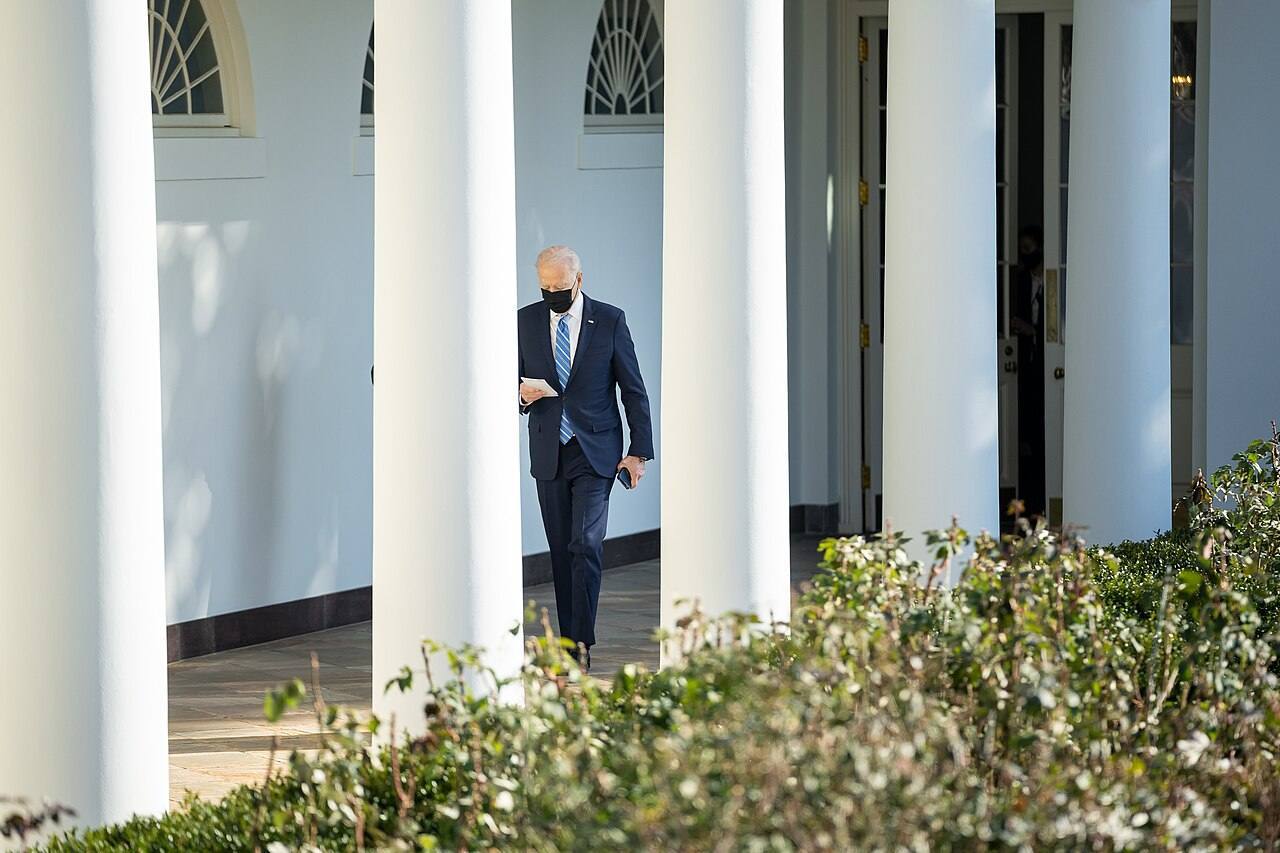
"In an environment of escalating military engagements, Congress's failure to act is an abdication of responsibility that undermines democratic accountability."
Left and Right: A Shared Failure
On the left, progressives have consistently called for a reevaluation of the military-industrial complex and an end to endless wars. Yet, when in power, they have often failed to use their influence to rein in executive overreach. Instead, they focus on grandstanding and vocal opposition without offering tangible alternatives or holding the executive branch accountable.

On the right, the narrative often pivots to national security and the need for a strong military presence abroad. However, this perspective frequently overlooks the implications of unchecked military action. The rhetoric of patriotism often drowns out the more nuanced discussions about the costs - both human and financial - of these conflicts. As a result, both parties contribute to a culture of complacency that allows military actions to proceed without sufficient legislative scrutiny.
The Public's Role in Advocacy
Public engagement is critical in the push for accountability. Grassroots organizations and activists have mobilized to demand transparency and oversight, yet their voices often struggle to penetrate the noise of partisan politics. The stark divide between the political left and right has left many citizens feeling disillusioned, as they perceive their concerns being overlooked in favor of party loyalty.

Moreover, the lack of robust media coverage on this issue compounds the problem. While sensational headlines focus on the immediate impacts of military actions, the deeper issues of oversight and accountability receive scant attention. This gap in discourse allows lawmakers to sidestep the necessary conversations about their constitutional responsibilities.
Looking Ahead: A Call for Accountability
As we move deeper into this cycle of conflict, it is imperative that both citizens and lawmakers demand accountability from their representatives. The War Powers Act exists for a reason, and it is time for Congress to reclaim its constitutional authority over military engagements. This means more than just issuing statements; it requires active participation in the legislative process to ensure that military action is warranted, justified, and transparent.
It is essential for voters to hold their elected officials accountable. Engaging in dialogue with representatives, attending town halls, and supporting advocacy groups that prioritize war powers reform can help shift the narrative. A well-informed electorate is crucial for prompting legislative action that reflects the will of the people.
Conclusion: A Bipartisan Call to Action
The war powers debate is not merely a matter of left versus right; it is about the fundamental principles of democracy and accountability. Both sides of the aisle must recognize their roles in this ongoing issue and work collaboratively to restore the checks and balances intended by the Founding Fathers. As military actions continue to shape our foreign policy, the time for a renewed commitment to oversight is now.
✦ ✦ ✦