From the file. Written for the paper dated November 2023. Opened in the public stacks July 14, 2026.
As headlines about scientific breakthroughs and controversies fade from the media cycle, a more insidious issue emerges: the state of science education in America. The focus on flashy discoveries often overshadows the fundamental need for robust science literacy among students.
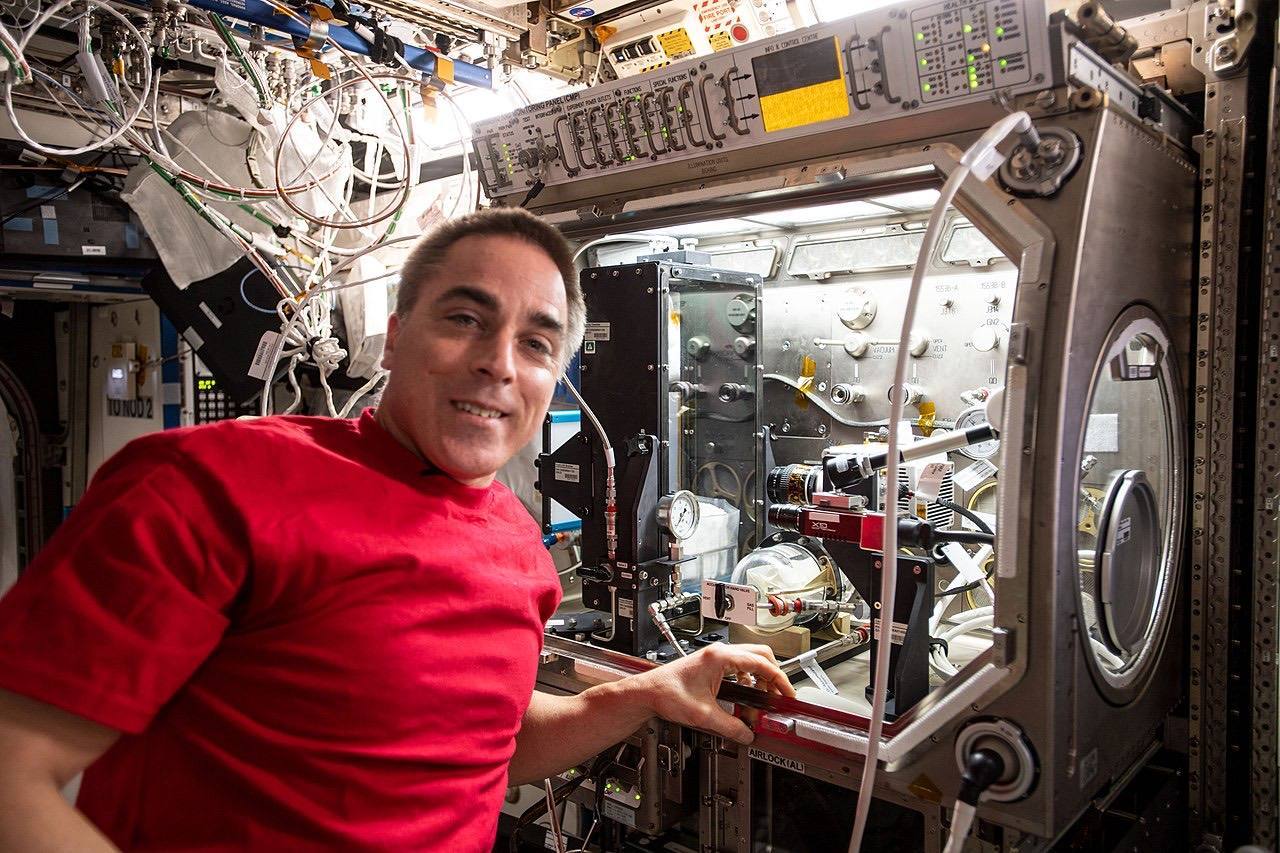
Lost in the Noise
In a nation where sensational stories dominate the news cycle, the importance of science education can easily fall by the wayside. While students are bombarded with information about the latest advancements in artificial intelligence or climate change, many are left without a solid understanding of the principles that underlie these topics. This lack of foundational knowledge can lead to a populace ill-equipped to engage in critical discussions about science and its implications for society.

Both sides of the political spectrum have contributed to this dilemma. On one hand, the left often emphasizes the importance of science, particularly in the context of climate change and public health. However, this commitment can sometimes devolve into a dogmatic adherence to certain narratives, leaving little room for critical inquiry or debate. The right, on the other hand, tends to downplay the significance of scientific consensus, particularly in areas like climate science, which can lead to a rejection of evidence-based reasoning altogether.

The Curriculum Conundrum
One of the most pressing issues in science education today is the inconsistency of curricula across states and school districts. While some regions boast comprehensive programs that engage students in hands-on learning, others struggle to provide even the most basic instruction in scientific principles. This disparity is exacerbated by political influence, as state legislatures push for standards that align with their ideological beliefs rather than the consensus of the scientific community.
For instance, discussions around evolution and climate change often become battlegrounds for ideological warfare. In some areas, textbooks are altered or replaced to reflect a more favorable view of creationism or skepticism about climate change. This not only misinforms students but also sets a dangerous precedent for how science is taught in schools. When the integrity of scientific education is compromised by political agendas, the long-term impact on students’ understanding of science is profound.
Engagement and Accessibility
Another critical element of effective science education is engagement. Students need to see the relevance of science in their everyday lives to cultivate a genuine interest in the subject. Unfortunately, many science classes are still rooted in rote memorization rather than experiential learning. This is where both left and right fail to recognize the importance of accessible and engaging education.

Proponents of progressive education often advocate for inquiry-based learning, which encourages students to ask questions and explore concepts through projects and experiments. However, this approach can sometimes overlook the need for a structured foundation in key scientific concepts. Conversely, traditionalists may emphasize standardized testing and memorization, which can stifle creativity and critical thinking. Both extremes risk alienating students who might otherwise thrive in a more balanced educational environment.
Teachers: The Overlooked Heroes
At the heart of effective science education are the teachers who guide students through complex concepts and inspire curiosity. Yet, these educators often face overwhelming challenges, including inadequate support, low salaries, and a lack of professional development opportunities. When teachers are not given the resources they need, the quality of science education inevitably suffers.
Moreover, the political climate can further complicate the teaching landscape. Teachers may feel pressured to conform to specific narratives, leading to self-censorship and a reluctance to engage students in open discussions about controversial scientific topics. This creates a culture of fear that stifles intellectual inquiry and diminishes the educational experience.
"In the battle for science education, the real casualties are our students, who deserve better."
Moving Forward
To address the shortcomings in science education, a collaborative effort between policymakers, educators, and communities is essential. There needs to be a commitment to developing and maintaining high-quality science curricula that prioritize evidence-based teaching and learning. This includes investing in teacher training and resources, as well as ensuring that science education is free from political interference.
Additionally, fostering partnerships between schools and local scientific institutions can provide students with real-world experiences that enhance their understanding of science. Field trips, guest lectures, and collaborative projects can spark interest and demonstrate the relevance of science in various careers and everyday life.
Conclusion
As we navigate the complexities of science education in a politically charged environment, it is crucial to prioritize the needs of students above all else. By promoting a balanced approach that values both inquiry and foundational knowledge, we can foster a generation of critical thinkers who are equipped to engage with the scientific challenges of the future. Only then can we hope to overcome the quiet failures of oversight that have plagued our education system.
✦ ✦ ✦