From the file. Written for the paper dated November 2023. Opened in the public stacks July 14, 2026.
The recent diplomatic cable leak has exposed significant oversights in our nation’s foreign relations strategy. While both sides of the political aisle rush to frame the narrative, the deeper implications of these revelations demand a more measured response.
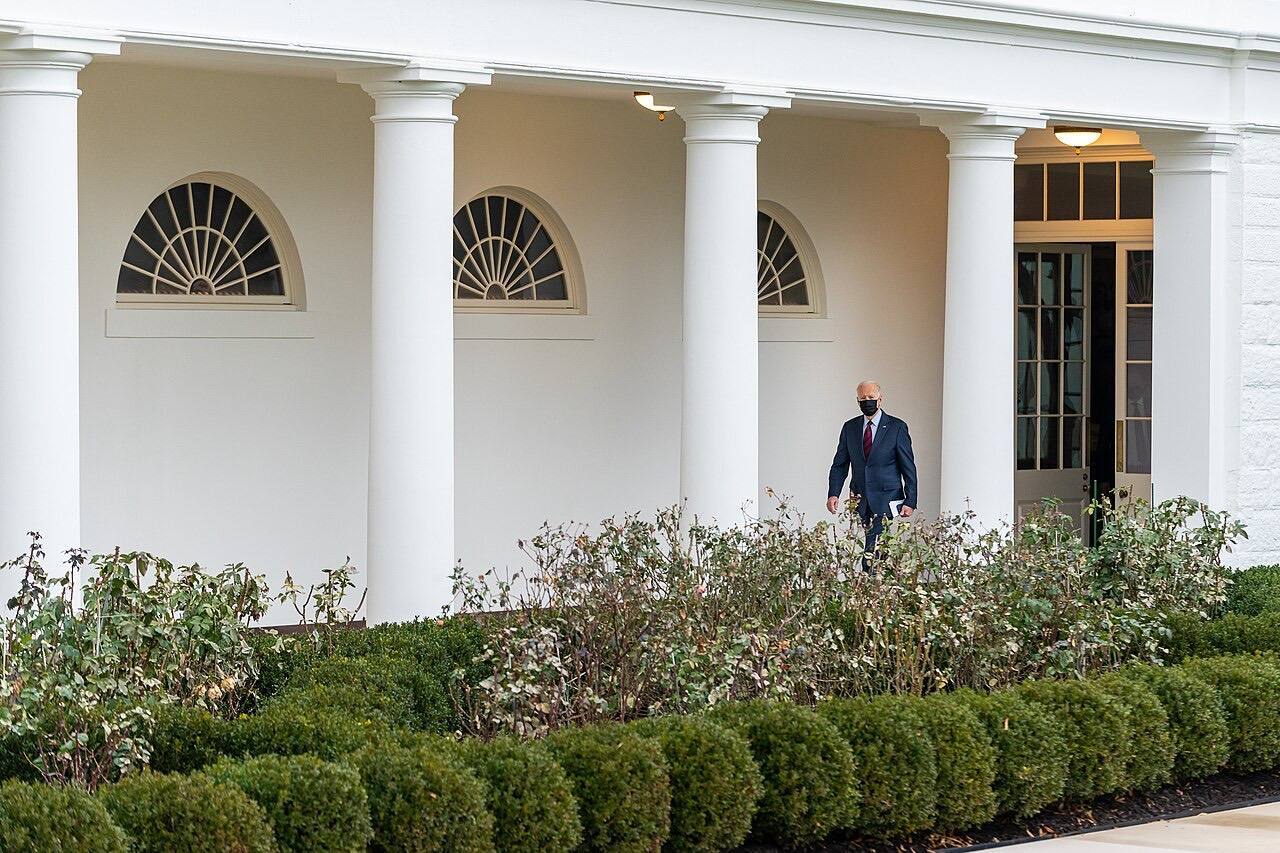
Understanding the Cable Leak
This diplomatic cable, which has surfaced in a time of heightened political tension, outlines critical communications between U.S. officials and foreign governments. The contents reveal a troubling lack of oversight in how sensitive information is handled and shared. As the public digests the headlines, it is crucial to examine the nuances that have been overshadowed by partisan outrage.
On one side, the right insists that this leak is indicative of rampant unprofessionalism within our diplomatic corps. They argue that it undermines national security and emboldens adversaries. Meanwhile, the left frames the leak as a symptom of a broader systemic failure in accountability, emphasizing the need for reforms in how confidential communications are managed. Both narratives, while valid in their own right, neglect to address the fundamental issue: governance requires diligence across the board, and both parties share the blame for allowing such lapses to occur.

The Political Circus
In the wake of the leak, the political response has been nothing short of theatrical. Right-wing commentators have taken to the airwaves, proclaiming the need for heads to roll and demanding immediate accountability from the Biden administration. They decry the leak as a betrayal of trust, painting a picture of a government rife with incompetence.
Conversely, left-leaning pundits have seized the opportunity to critique the very structure of American diplomacy, calling for a comprehensive overhaul of how sensitive information is safeguarded. Their arguments resonate with a constituency that is increasingly wary of government transparency and the potential for misuse of power.
"Both sides are missing the forest for the trees; the real issue is the systemic failures that allowed this situation to unfold."
A Quiet Failure of Oversight
What is often lost amid the chaos of rhetoric is the quiet failure of oversight that allowed this diplomatic cable to become public. The systems designed to protect sensitive information have not kept pace with the evolving dynamics of modern diplomacy and technology. This oversight isn’t merely a political talking point; it reflects a governance issue that transcends party lines.

In an era where information flows more freely than ever, the protocols that safeguard government communications must evolve. The fact that a single diplomatic cable could spark such outrage suggests a fundamental flaw in the way sensitive information is handled. It raises questions about the efficacy of the current administration's security protocols and the potential vulnerabilities that remain unaddressed.
Partisan Politics at Play
Both political factions are guilty of exploiting this situation for their own gain. The right seeks to use the leak as a weapon against the Biden administration, while the left aims to galvanize support for reforms without adequately addressing their own past failures. This cycle of blame distracts from the real work that needs to be done to protect our national interests.
As the dust settles from this incident, it is essential for both parties to reflect on their roles in fostering an environment that either enables or hinders the effective governance of our diplomatic efforts. The American public deserves a government that prioritizes transparency, accountability, and the safeguarding of sensitive information above partisan gain.
Moving Forward
In the aftermath of this diplomatic cable leak, the focus must shift from blame to action. Both parties should collaborate to enhance the mechanisms for protecting sensitive communications. It is time to prioritize national security over political point-scoring.
Moreover, lawmakers should consider the implications of transparency in diplomacy. While it is essential to protect national interests, a balance must be struck between secrecy and the public's right to know. A robust dialogue on how to manage sensitive information in an age of rapid information dissemination is critical.
Ultimately, the fallout from this leak should serve as a wake-up call. We must demand better from our leaders - accountability, oversight, and a commitment to safeguarding our national security without sacrificing the principles of transparency and integrity.
✦ ✦ ✦