From the file. Written for the paper dated October 2023. Opened in the public stacks July 14, 2026.
This week has been marked by significant developments in the world of satellite technology, particularly the failure of several key satellites. As we dissect these events, it's essential to take a balanced view that transcends the typical partisan narratives.
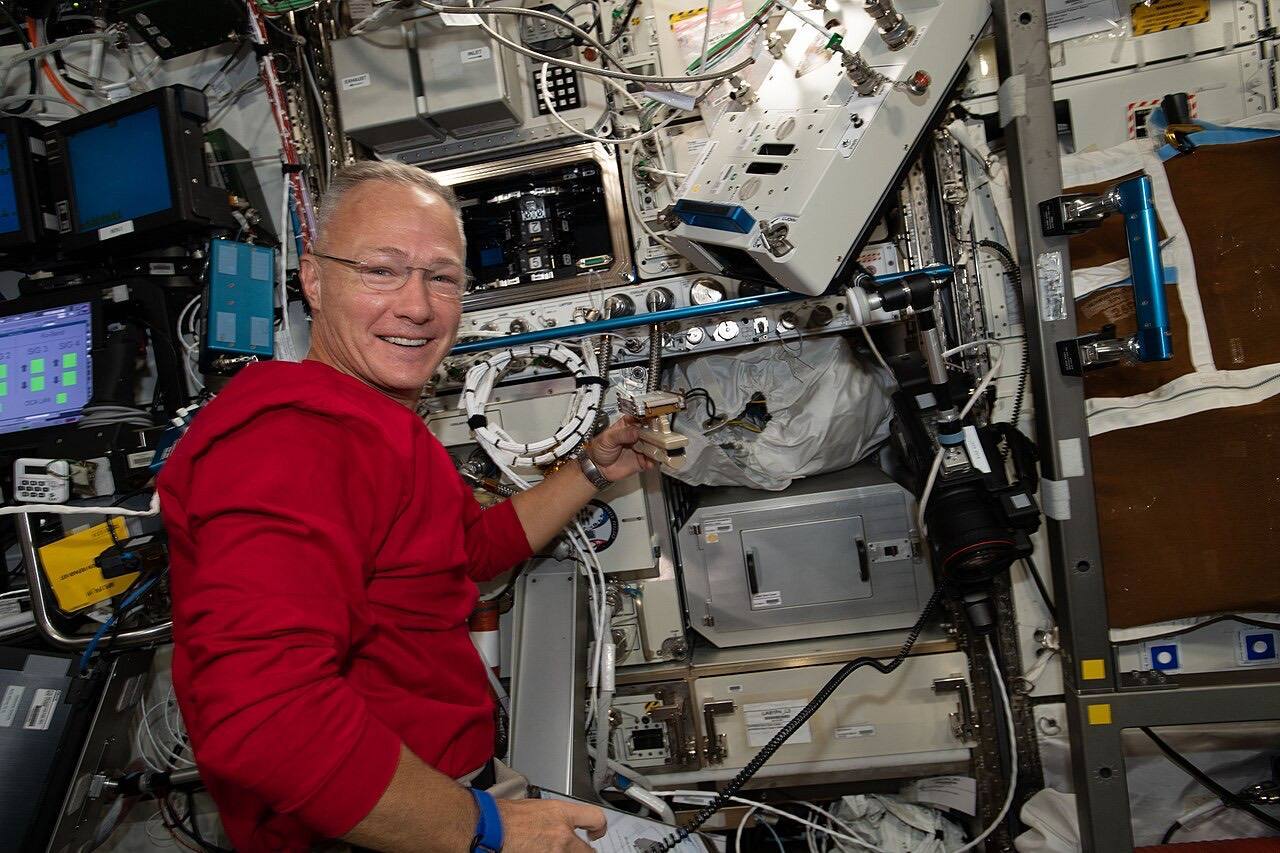
Analyzing the Satellite Failure
The recent failure of multiple satellites, including those crucial for weather forecasting and global communications, has raised alarms across various sectors. The immediate response from industry leaders has oscillated between blaming aging technology and calling for more investment in next-generation systems. However, the complexity of satellite operations and the myriad factors contributing to these failures demand a more nuanced analysis.
On one hand, critics of the current administration argue that underfunding in space programs has left us vulnerable. They point to budget cuts and shifting priorities that have impacted research and development. On the other hand, supporters of the administration may argue that focusing on immediate terrestrial issues - like healthcare and infrastructure - should take precedence over space initiatives. Each side seems eager to capitalize on the situation to reinforce their respective agendas.
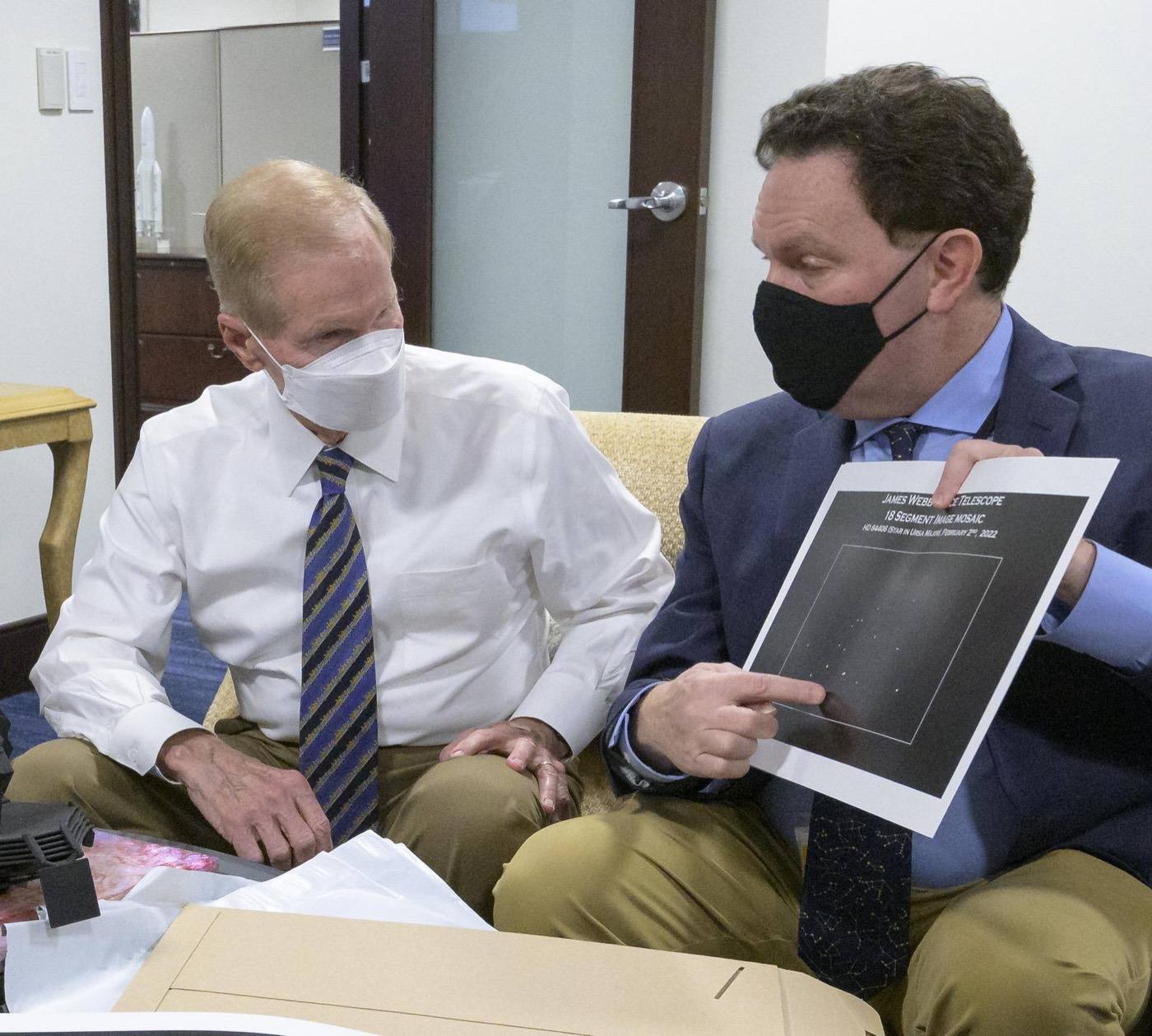
The Left and Right Reactions
The left has seized upon this moment to advocate for increased investment in science and technology. They argue that a robust satellite network is vital not only for communications but also for climate monitoring and disaster response. Yet, this push often overlooks the complexities of managing such investments effectively. Proponents sometimes present funding as a magic solution, without addressing the systemic issues that hinder technological advancement.

Conversely, the right has taken a more skeptical approach, suggesting that the failures reflect government inefficiencies and mismanagement. While there is merit to scrutinizing governmental oversight, this perspective often simplifies the challenges faced by space agencies. For example, the intricacies of satellite design, orbital mechanics, and potential space debris impacts are seldom discussed in mainstream rhetoric.
"In the race for space, blame tends to overshadow solutions."
Finding Common Ground
As we navigate the fallout from these satellite failures, it is crucial to find common ground. Both sides could benefit from recognizing that the issues at hand are not merely political but scientific and infrastructural. Collaborative efforts could yield more sustainable solutions than the current blame game.

For instance, public-private partnerships have shown promise in the past, combining government oversight with the innovation and agility of private industry. By investing in these collaborations, we might not only remedy current failures but also enhance our satellite resiliency against future challenges.
The Broader Implications
The implications of satellite failures extend beyond just technical glitches. They touch on national security, economic stability, and global collaboration. The ability to communicate and gather data from space is integral to modern society, impacting everything from GPS navigation to climate change research.
Additionally, these failures could exacerbate international tensions, particularly as countries vie for dominance in space. The U.S. must ensure that its satellite capabilities remain robust, not just for national interests but also to maintain its leadership role in global scientific endeavors. The increasing militarization of space adds another layer of urgency to these discussions.
Conclusion: A Call for Rational Discourse
As we reflect on the events of this week, it is time for a shift in how we approach the discourse surrounding satellite technology and space exploration. Instead of allowing partisan divides to dictate responses, we should strive for a rational discourse that prioritizes science and collaboration. Only then can we hope to navigate the complexities of the challenges we face in space and beyond.
✦ ✦ ✦