From the file. Written for the paper dated September 2023. Opened in the public stacks July 14, 2026.
Populism is often characterized by its emotional appeal and promises of sweeping change. Yet, when the headlines fade, many populist leaders overclaim what can realistically be achieved, leading to disappointment and polarization.
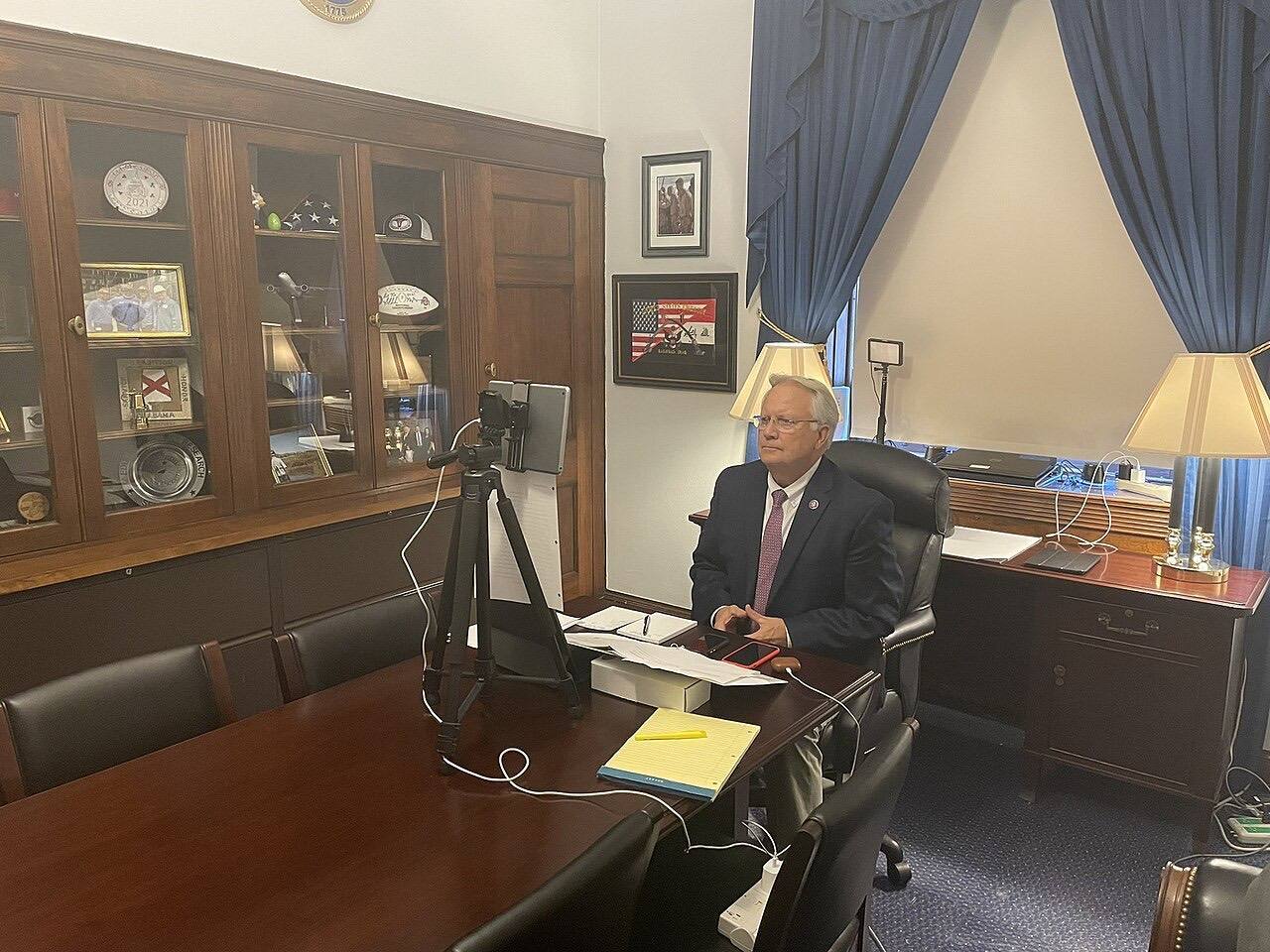
The Allure of Populism
Populist movements, whether on the left or right, thrive on the promise of a better future. They tap into the frustrations of the masses, often articulating grievances that resonate deeply with everyday people. However, as the fervor of rallies and media buzz fades, the reality of governance sets in. This is where the overclaims become evident. Many populist leaders seem to forget that promises must align with the complexities of political processes and societal structures.

The Right's Promises of Simplicity
On the right, populist figures often promise swift, sweeping reforms that appear to bypass the intricacies of legislative processes. They paint a picture of a government that can be easily reshaped to fit their vision. However, the reality of bipartisan negotiations, the intricacies of policy-making, and the need for compromise are often ignored. This results in a disillusioned base that feels betrayed when things do not unfold as promised.

"Populist leaders often forget that governance is less about grandstanding and more about the grind of compromise."
The Left's Idealism and Its Limits
Similarly, the left's populists often fall prey to idealism, promoting lofty goals such as universal healthcare or free college education without adequately addressing the funding mechanisms or the political will required to implement such sweeping changes. The promise of a utopian society, free from systemic injustices, is appealing, yet when confronted with the realities of budget constraints and legislative hurdles, these visions can lead to significant disappointment.

The Procedure Nobody Wants to Discuss
What is often overlooked in both camps is the procedural reality of governance. The legislative process is a slow and often cumbersome affair, requiring negotiation, compromise, and the navigation of a myriad of interests. It is this procedure that populist leaders frequently neglect to discuss, opting instead for bold proclamations that energize their base but ultimately fail to materialize into actionable policies.
Consequences of Overclaiming
The consequences of these overclaims can be dire. When populist leaders promise the sun and the moon but deliver little more than the status quo, their supporters can become disenchanted. This disenchantment can lead to apathy or, conversely, to a more extreme backlash against the political establishment. The resulting polarization can create a cycle of frustration, with each side retreating further into their ideological corners, convinced that the other side is to blame for their unmet expectations.

Bridging the Divide
To move forward, it is crucial for both populist leaders and their supporters to recognize the importance of procedural realities in governance. Understanding that meaningful change often requires patience, negotiation, and compromise could help temper the expectations that lead to disappointment. It is essential to foster a political culture where realistic discussions about policy-making take precedence over grandstanding and oversimplification.
A Call for Realism in Populism
As the political landscape evolves, a more grounded approach to populism may be necessary. Leaders on both sides must learn to temper their claims with a realistic understanding of what can be achieved through the political process. Only then can we hope to bridge the divides that have deepened in recent years, transforming populist fervor into actionable, sustainable change.
✦ ✦ ✦