From the file. Written for the paper dated September 2023. Opened in the public stacks July 14, 2026.
As headlines surrounding supply chain disruptions fade, the underlying procedures and inefficiencies that remain deserve scrutiny, particularly in a politically charged landscape.
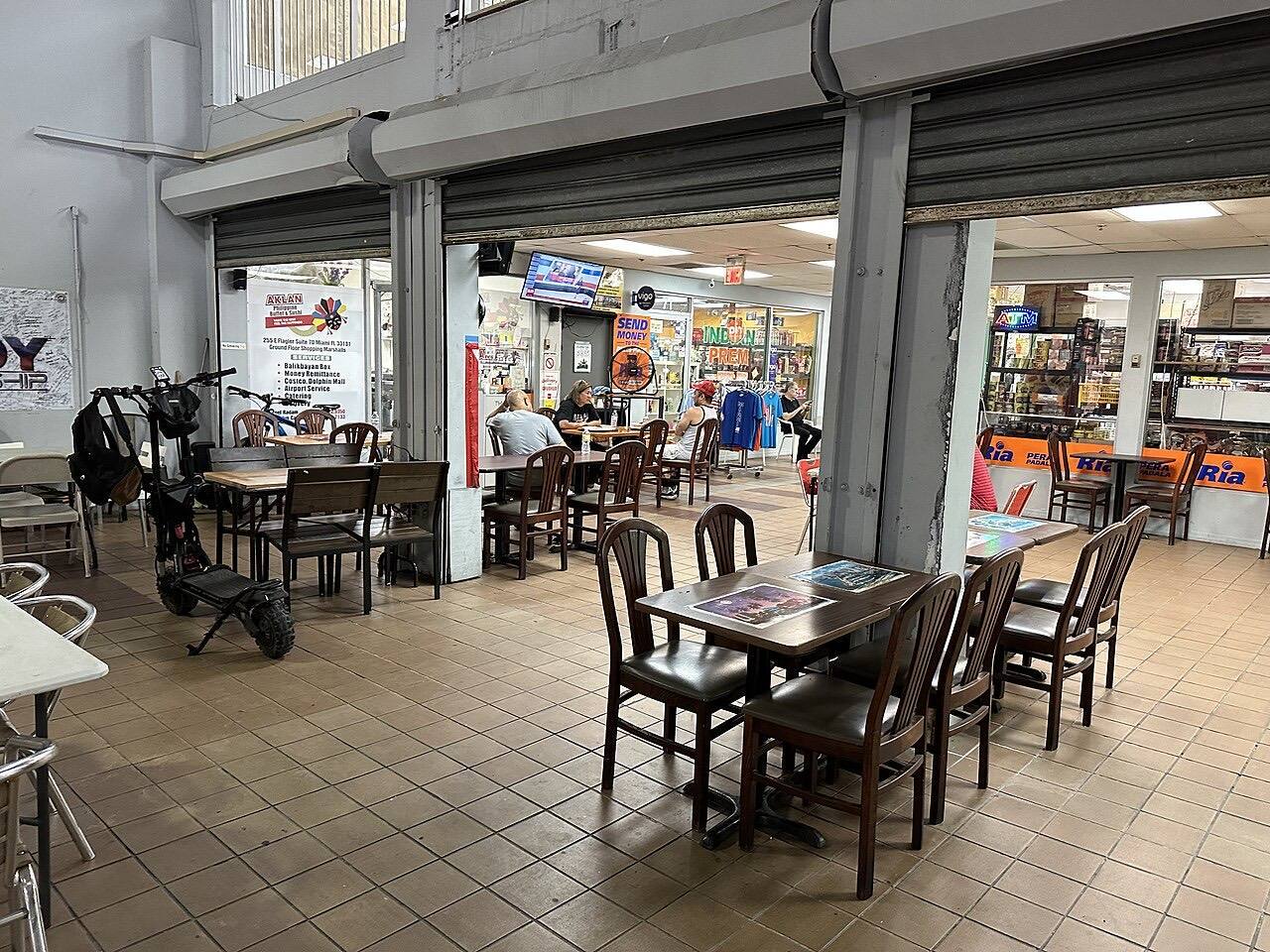
The Overlooked Mechanisms of Supply Chains
The supply chain has been a hot topic over the past few years, capturing the attention of both the media and the public. Yet, as the urgency of the moment subsides, a critical examination of the mechanisms that keep these systems functioning has taken a backseat in public discourse. The complexities involved in logistics, inventory management, and transportation are rarely discussed in detail, leaving a void filled with misunderstandings and oversimplifications.
On one side, the left often emphasizes the need for government intervention to safeguard against future disruptions. They argue for increased regulation, focusing on sustainability and equitable labor practices. While these are noble goals, the excessive optimism surrounding government solutions can obscure the intricate realities of supply chain operations. Implementing sweeping regulations without a nuanced understanding of the industry could lead to unintended consequences, such as stifling innovation and increasing costs for consumers.
Conversely, the right tends to advocate for free-market solutions, arguing that government interference only complicates matters further. This perspective often romanticizes the idea of a self-correcting market that will naturally adjust to disruptions. However, this viewpoint neglects the fact that supply chains are not only economic systems but are also deeply intertwined with social and environmental factors. A hands-off approach could exacerbate existing inequalities and environmental degradation, especially in vulnerable communities.
"The complexities involved in logistics, inventory management, and transportation are rarely discussed in detail."
Challenges to Efficiency
Despite the ideological divides, one commonality persists: a lack of transparency in the supply chain process. Many companies choose to keep their procedures under wraps, citing proprietary interests or competitive advantage. This lack of transparency can lead to miscommunication and mistrust between suppliers, manufacturers, and consumers. If stakeholders cannot see the full picture, they cannot effectively address the root causes of inefficiencies.
Moreover, the COVID-19 pandemic exposed significant vulnerabilities in global supply chains. While many businesses scrambled to adapt, others were left paralyzed, revealing a stark contrast in preparedness. For example, companies that invested in technology and flexible logistics were able to pivot and maintain operations. In contrast, those that relied on outdated systems faced severe delays and losses. The disparity in adaptability raises questions about the long-term sustainability of various business models.

The Role of Technology
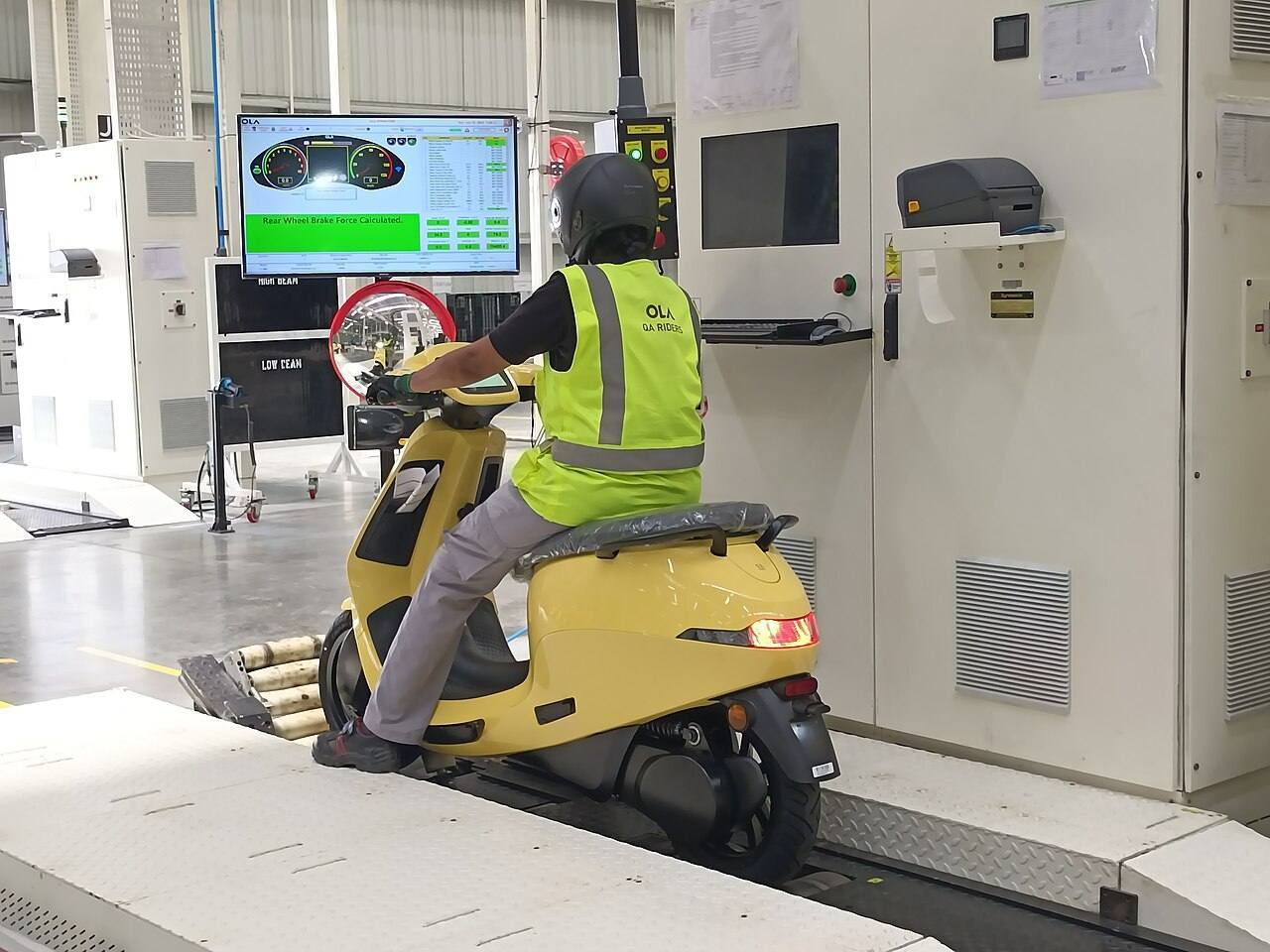
Technology has emerged as both a solution and a challenge in supply chain management. Automation and data analytics offer the potential to streamline processes, improve forecasting, and reduce costs. Yet there is a growing concern over overreliance on technology, particularly when it comes to cybersecurity threats. A single breach could paralyze entire supply chains, underscoring the need for robust security measures. Technology cannot serve as a panacea; it must be integrated thoughtfully into existing frameworks that prioritize resilience and adaptability.
Additionally, the push for greener supply chains, while commendable, often overlooks the practical challenges of implementation. Striving for carbon neutrality requires significant investment and a shift in mindset that some companies may not be ready to embrace. The conversation tends to focus on the end goal rather than addressing the incremental steps needed to achieve it - a classic case of ideological excess overshadowing practical realities.
"A hands-off approach could exacerbate existing inequalities and environmental degradation."
Bridging the Divide
Bridging the gap between these polarized perspectives requires a more nuanced dialogue that emphasizes collaboration among stakeholders. Policymakers, businesses, and consumers must engage in constructive discussions that prioritize transparency and accountability. By doing so, we can foster a supply chain ecosystem that is both efficient and equitable.
For instance, collaborative initiatives, such as shared logistics platforms, can lead to more efficient resource allocation and reduced waste. Additionally, businesses can work together to create industry standards that prioritize ethical practices without stifling innovation. This kind of cooperation can help mitigate the extremes of both left and right ideologies while addressing the pressing issues that supply chains face today.
Conclusion
As we navigate the complexities of supply chains in an increasingly polarized political landscape, it is imperative to focus on the procedures that often go unexamined. Both left and right have their excesses, and a balanced approach that values transparency, collaboration, and adaptability will serve us best in the long run. Only by addressing the underlying issues can we truly fortify our supply chains against future disruptions.
✦ ✦ ✦