From the file. Written for the paper dated September 2023. Opened in the public stacks July 14, 2026.
In the wake of recent satellite failures, a crucial aspect of space missions often goes unexamined: the procedural vulnerabilities that lead to these costly setbacks.
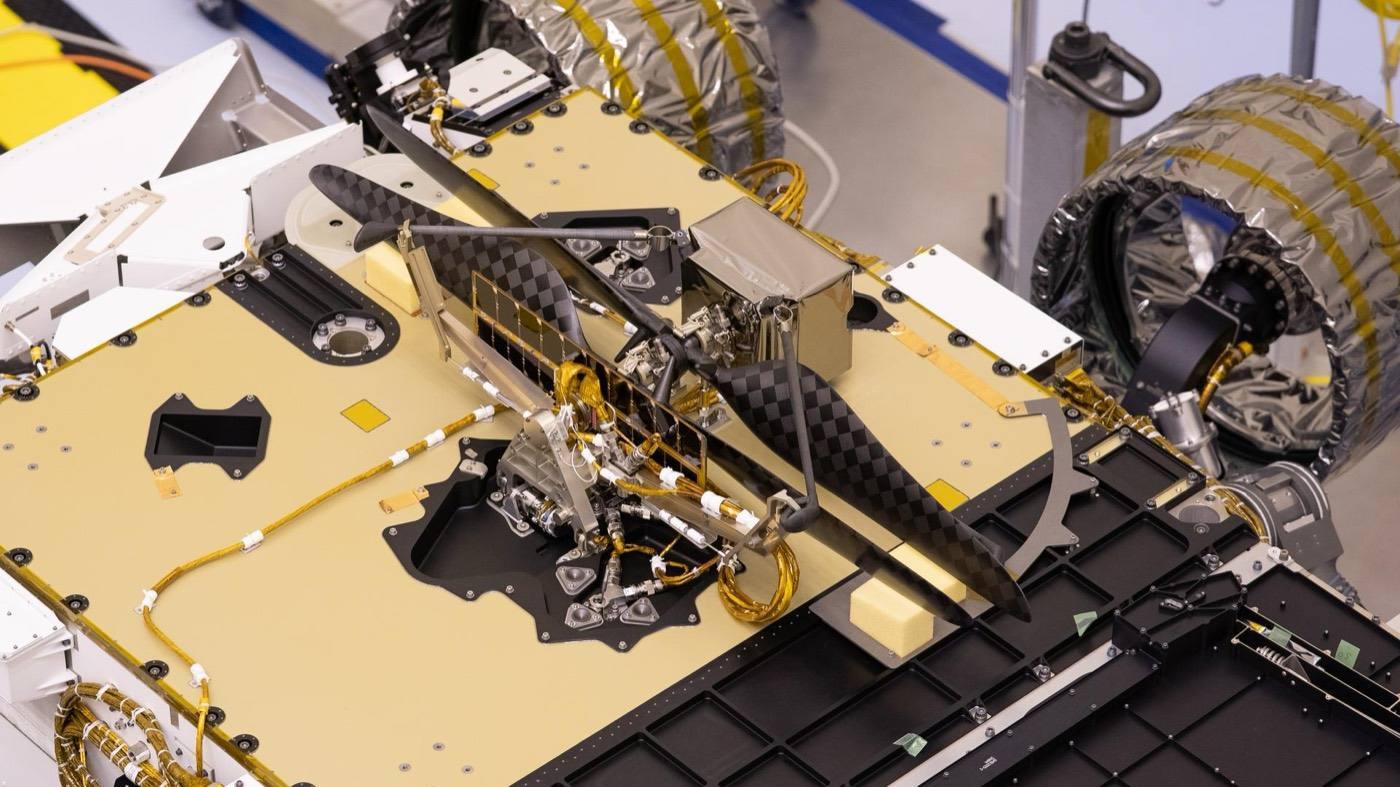
What Went Wrong
As headlines about satellite failures fade from the public eye, the intricate and often flawed procedures behind these missions remain unaddressed. Recently, two high-profile satellite missions faced critical failures shortly after launch, raising questions about the efficacy of the protocols that govern their design, testing, and deployment.
These failures are not merely technical glitches but symptoms of deeper systemic issues within the aerospace industry. The excitement surrounding new satellite technologies tends to overshadow the rigorous examination of the processes that ensure their reliability. Engineers and scientists shoulder the blame when things go awry, but the real problem may lie in the bureaucratic frameworks that guide their work.
Behind the Curtain: The Procedures Nobody Wants to Discuss
Space missions are governed by a complex web of procedures that are supposed to catch errors before they escalate. However, these protocols can sometimes become a bureaucratic minefield. The rigid adherence to outdated methods can stifle innovation and lead to oversights that compromise mission success.
For instance, during the launch sequence of a recent satellite, critical data was miscommunicated between teams responsible for the satellite's systems and those handling the launch. Investigations revealed that the standard operating procedures lacked clarity on communication protocols, resulting in a cascading failure that could have been prevented with a more thorough review of roles and responsibilities.
"The excitement surrounding new satellite technologies tends to overshadow the rigorous examination of the processes that ensure their reliability."
The Cost of Complacency
Both the left and the right often champion innovation in space exploration, yet the underlying issues of accountability and transparency remain contentious. On one side, advocates for extensive government oversight argue that more regulations are needed to prevent disasters, while opponents claim that too much regulation stifles creativity and agility within the industry.
This polarization can lead to a dangerous complacency regarding the importance of effective procedural reviews. As failures mount, the lack of a unified approach to accountability leaves engineers to navigate a broken system without proper support. This situation begs the question: are we prioritizing progress over prudence?
A Call for Transparency and Reform
To ensure the future success of satellite missions, both industry leaders and policymakers must recognize the need for reform. Greater transparency in procedures and decision-making can foster collaboration across teams and reduce the likelihood of miscommunication. Furthermore, an honest dialogue about the shortcomings in existing protocols is critical for moving forward.
By embracing a culture of accountability, stakeholders can begin to dismantle the barriers that prevent effective problem-solving. This includes encouraging engineers to speak up about procedural flaws without fear of retribution. Acknowledging mistakes is not a sign of weakness; rather, it is a necessary step toward building a safer and more efficient aerospace industry.
The Way Forward
As we continue to push the boundaries of space exploration, it is essential to remember that successful missions rely not just on cutting-edge technology but also on robust procedures that can adapt to the complexities inherent in space travel. The industry must balance the drive for innovation with a commitment to procedural integrity.
By fostering a culture that prioritizes both creativity and accountability, the aerospace community can mitigate the risks associated with satellite missions. The path to reform is not easy, but it is necessary. As we have seen, the implications of overlooking procedural flaws extend far beyond the launch pad.
✦ ✦ ✦