From the file. Written for the paper dated September 2023. Opened in the public stacks July 14, 2026.
In a world saturated with instant reactions and immediate feedback, the value of patience seems to have faded into the background. Yet, as we navigate the complexities of our current political and social climate, embracing patience may be the most important discussion we need to have.

Understanding the Nature of Patience
Patience is often described as the ability to endure difficult circumstances without becoming annoyed or anxious. It is a virtue that is deeply embedded in various cultural and philosophical teachings. However, in our current age of rapid information exchange and divisive rhetoric, patience is often overlooked, perceived as a sign of weakness rather than strength.
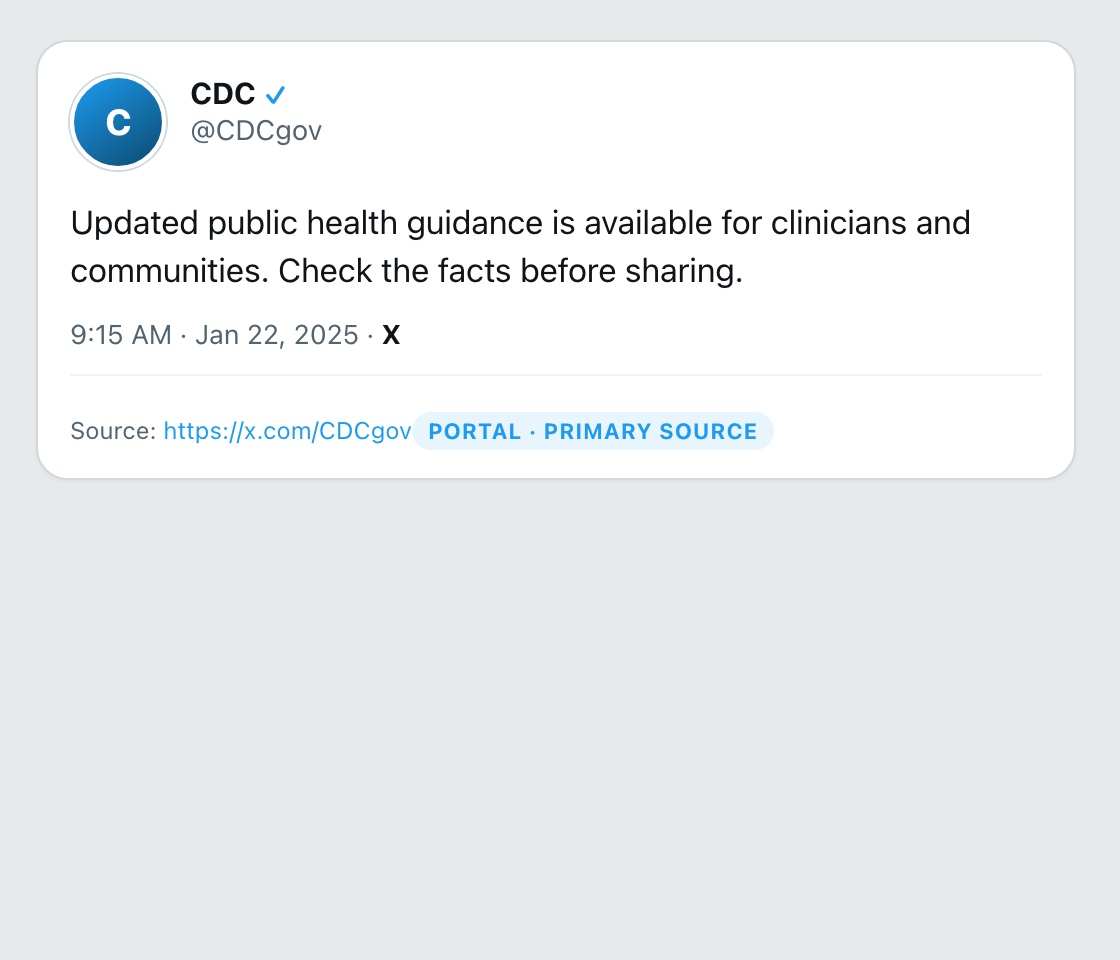
The media landscape bombards us with headlines that demand immediate responses. This is true for both sides of the political spectrum. On one end, the left often champions social justice causes with an urgency that can stifle nuanced discussion. On the other, the right calls for swift action in economic and policy matters, often disregarding the complexities involved. Both extremes exhibit a lack of patience that can lead to hasty decisions with long-term repercussions.

The Consequences of Impatience
The absence of patience can be particularly detrimental in political discourse. When individuals and groups rush to judgment, they often miss vital details that could inform a more comprehensive understanding of the issues at hand. For instance, consider the recent debates surrounding immigration reform. The left's call for immediate pathways to citizenship often overlooks the logistical and security challenges involved, while the right's insistence on stricter border controls can ignore the humanitarian aspects of the crisis.
"In a world of soundbites, the nuance is often drowned out."
This pattern of impatience is not limited to political debates but extends to social issues as well. Consider the ongoing discourse around climate change. The urgency to implement drastic measures is commendable, yet without a thoughtful approach, we risk alienating those who might be swayed by a more gradual transition. Patience allows for building consensus and fostering understanding - two elements that are crucial for long-term success.
Why It Matters Now More Than Ever
As we face pressing global challenges, the need for patience becomes even more pronounced. The COVID-19 pandemic highlighted the importance of taking time to evaluate scientific data before jumping to conclusions about health policies. Yet, as we emerge from this crisis, the impulse to rush back to "normal" often sidelines the lessons learned about public health and community well-being.
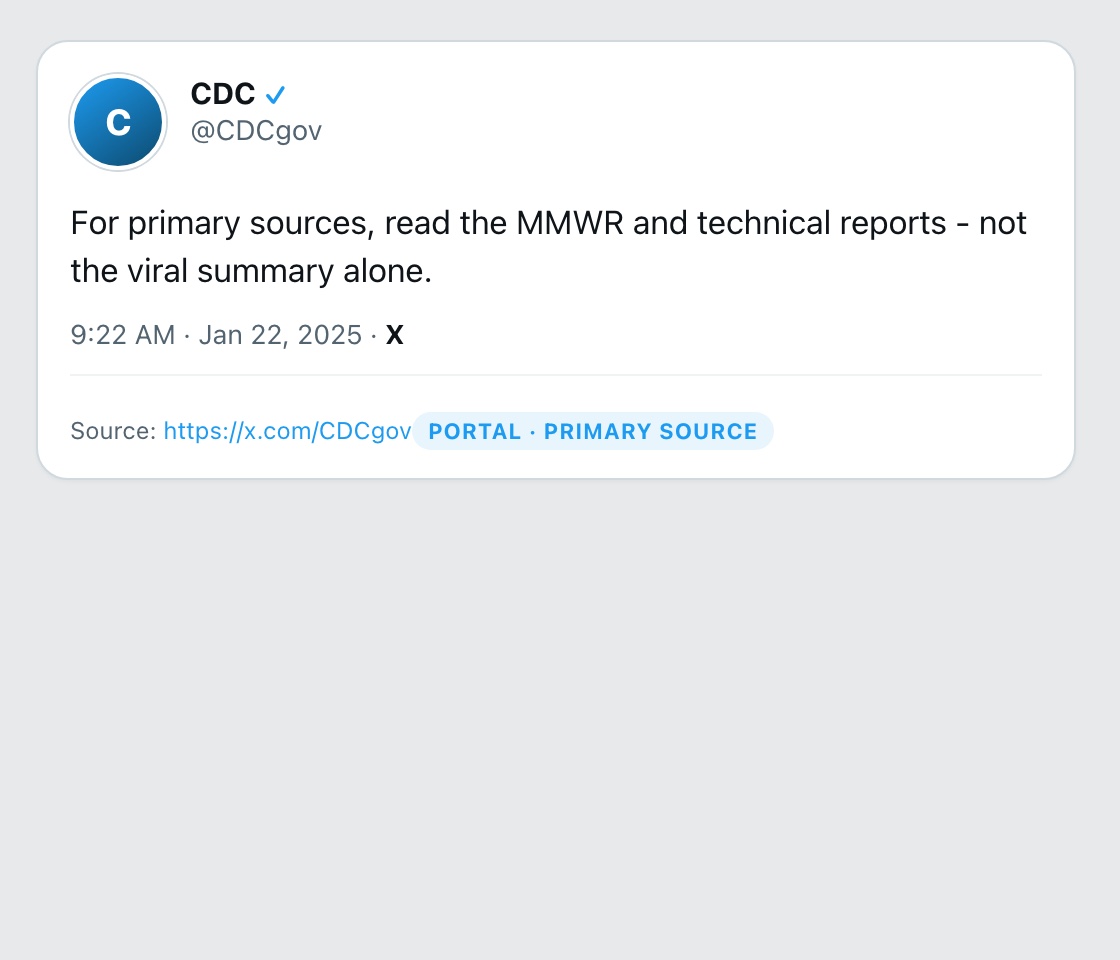
In this environment, political leaders and citizens alike must prioritize patience in their decision-making processes. Instead of reacting to the latest headline, we should strive to engage in discussions that consider multiple perspectives. This is particularly crucial as we approach election season, when sound bites and sensationalism threaten to overshadow substantive policy discourse.
A Call for Collective Patience
While the demand for immediate action can feel justified, it is essential to recognize that meaningful change often takes time. As citizens, we must hold ourselves accountable to embrace patience in our individual and collective actions. We need to ask ourselves: Are we allowing space for reflection and dialogue, or are we simply reacting to the latest narrative pushed by media outlets?
Furthermore, those in positions of power must model patience. Leaders should resist the temptation to respond to every crisis with immediate, sweeping legislation. Instead, they should engage in thoughtful deliberation, consulting experts and listening to constituents. By doing so, they can cultivate an environment where patience is valued and thoughtful solutions can emerge.
Conclusion: A Virtuous Cycle
In a society that often equates speed with efficiency, we must reclaim patience as a virtue. The process of understanding complex issues is not always quick, but it is necessary. Embracing patience allows for deeper insights and more effective solutions, creating a virtuous cycle of informed action and engaged citizenship.
As we move forward, let us challenge ourselves to slow down, listen more, and act with intention. Only then can we hope to navigate the intricacies of our time with wisdom and grace. The headlines may fade, but the values we uphold in our discussions can endure, shaping a better future for everyone.
✦ ✦ ✦