From the file. Written for the paper dated August 2023. Opened in the public stacks July 14, 2026.
In an era dominated by loud proclamations and sensational headlines, the true essence of oversight often gets lost in the din. Both sides of the political spectrum seem to prefer theatrical displays over the steady, methodical work that oversight truly requires.

The Myth of Oversight as Spectacle
Oversight is often misconceived as a stage for grandstanding. Politicians and pundits alike seem to believe that the louder the claim, the more valid it becomes. On the left, we see calls for accountability that echo through social media and public protests, while the right counters with fiery rhetoric about overreach and tyranny. However, the reality of oversight is far less glamorous. It involves a tedious process of review, analysis, and sometimes, uncomfortable truths.
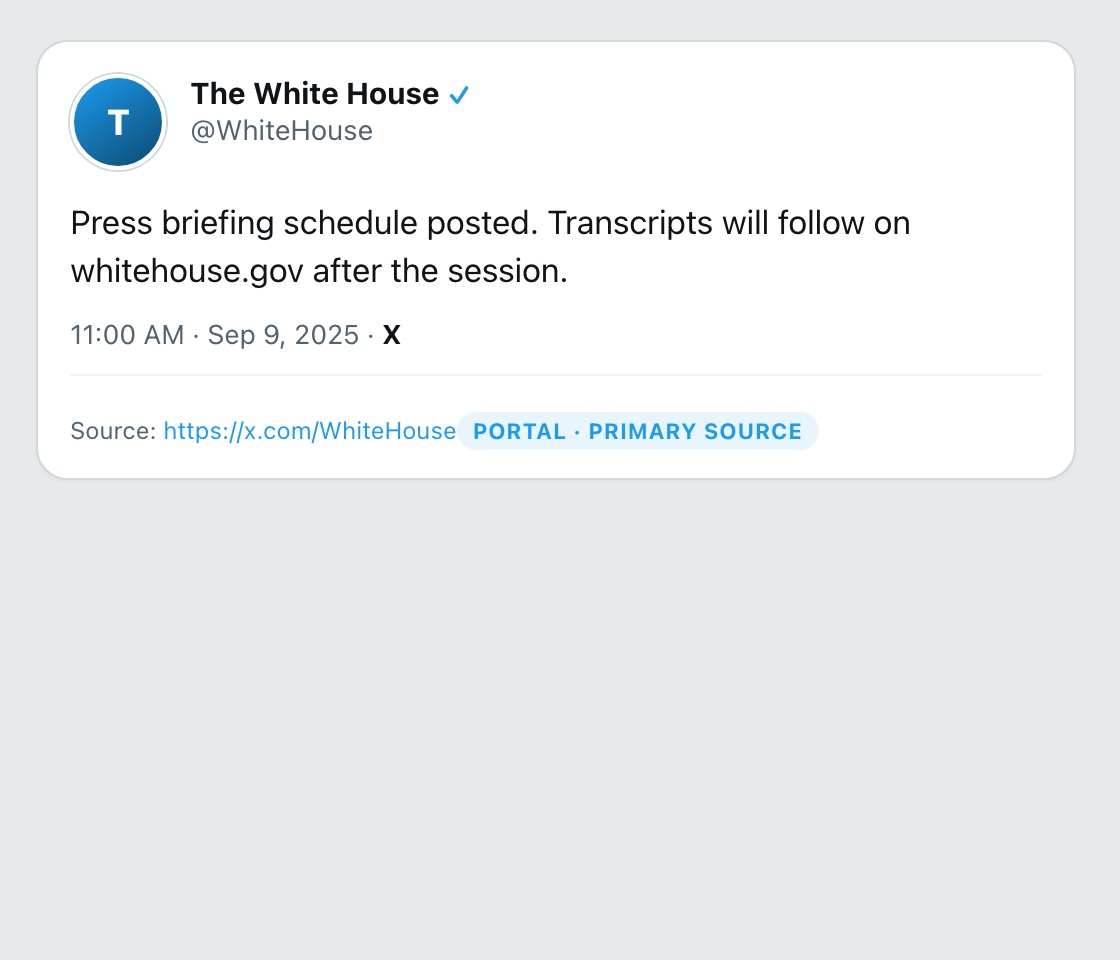
For instance, recent hearings on government spending have devolved into shouting matches rather than substantive discussions. The left focuses on the need for transparency and accountability, often resorting to emotionally charged language that can obscure the facts. Conversely, the right emphasizes fiscal responsibility but sometimes veers into conspiracy theories that distract from legitimate concerns. This is oversight as theater, not as a tool for governance.

The Mechanisms Behind Oversight
True oversight requires an understanding of the systems and processes that govern our institutions. It is not enough to simply demand answers; one must also understand the mechanisms that produce those answers. Committees and boards are not just created to provide a platform for debate; they are designed to collect data, analyze information, and maintain checks and balances. Yet, this essential work often goes unnoticed amidst the clamor of partisanship.
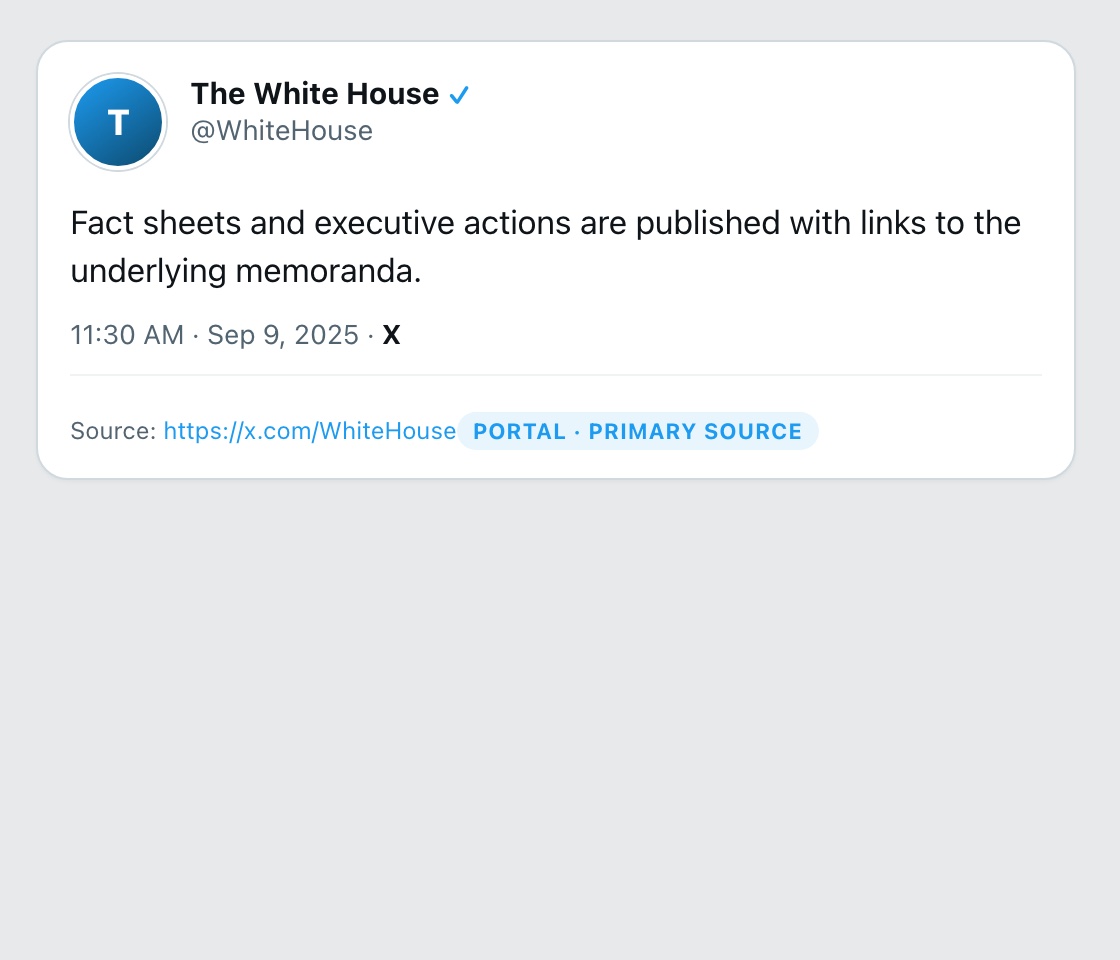
Oversight requires a commitment to the mundane - a willingness to engage with the boring details that underpin effective governance.
The complexity of oversight cannot be overstated. It involves sifting through reams of documents, engaging in dialogue with experts, and sometimes making difficult compromises. The left often champions the need for more oversight, but this requires resources and time that are frequently in short supply. The right, while advocating for less government intervention, fails to recognize that oversight is critical to ensuring that government functions as intended.
What is at Stake?
The stakes in the oversight game are high. When oversight is performed poorly or not at all, the consequences can be dire. Consider recent instances where lack of oversight has led to wasteful spending or even corruption. These issues do not discriminate by political affiliation; they affect all citizens regardless of their beliefs. Yet, the conversation remains mired in partisan disputes that detract from the core issue - ensuring that government serves the people effectively.
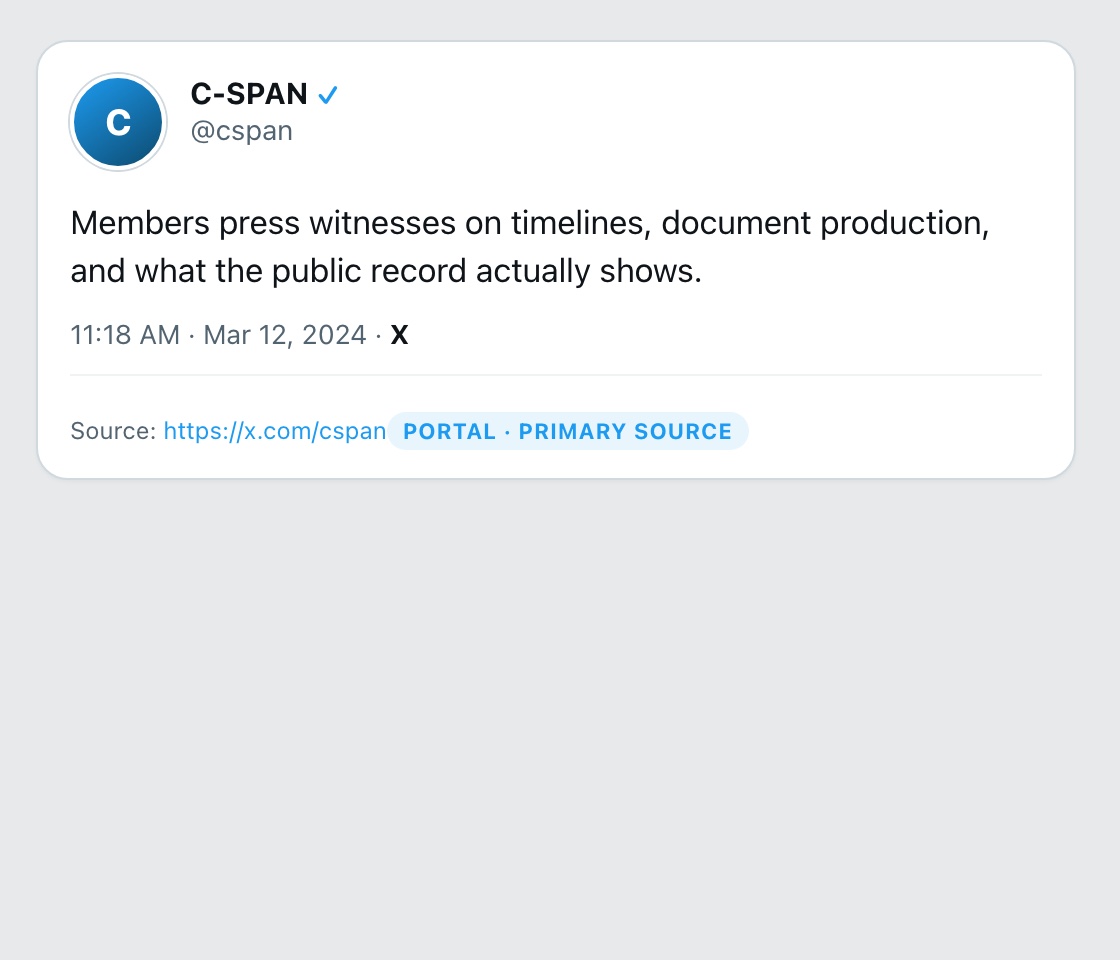
As both sides retreat into their echo chambers, the middle ground - where constructive oversight takes place - becomes increasingly elusive. The left's emphasis on social justice and accountability can sometimes come off as performative, while the right's insistence on limited government often sidelines necessary oversight mechanisms that protect citizens from abuse.
Finding Common Ground
It is imperative for both sides to recognize that effective oversight is not an ideological battleground but a shared responsibility. Engaging in meaningful dialogue about the mechanisms of oversight can help bridge the divide. This means moving beyond sound bites and slogans to a deeper examination of how policies affect real lives. It requires a commitment to work collaboratively rather than competitively.
Conclusion: A Call for Thoughtful Engagement
As we navigate the ever-changing landscape of governance, it is essential to remember the boring mechanisms behind the noise. Oversight is not about who can shout the loudest; it is about ensuring that our government is accountable, transparent, and effective. Both the left and the right must engage with the necessary details and processes that make oversight work. By doing so, we can move toward a more responsible and effective government that truly serves its citizens.
✦ ✦ ✦