From the file. Written for the paper dated July 2023. Opened in the public stacks July 14, 2026.
As the headlines surrounding volcanic activity fade, the real scientific work continues. In July 2023, the world stands at a precipice of understanding concerning our planet's fiery giants, as researchers emphasize the importance of evidence over identity in assessing volcanic threats.
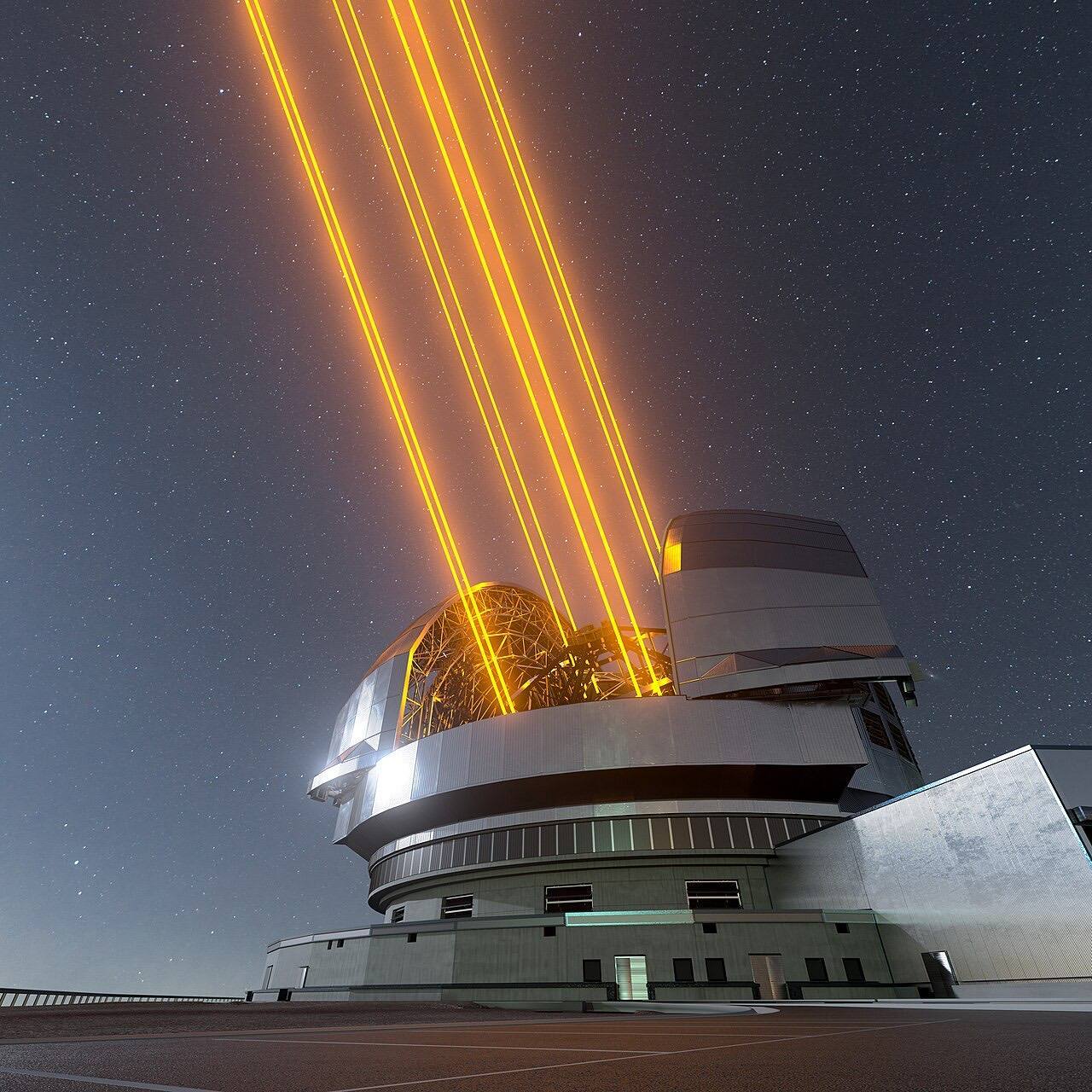
The Eruption Cycle: Beyond the Surface
Recent months have seen a surge in volcanic activity across various regions, from the dramatic eruptions in the Pacific Ring of Fire to the quieter, yet equally concerning signs of unrest in other volcanic hotspots. However, despite the immediate attention these events garner, the scientific community often finds itself grappling with the aftermath of media frenzy and public anxiety.

Volcanologists stress that while public interest peaks during eruptions, the real work lies in monitoring and understanding these geological phenomena over time. "The moment a volcano erupts, we are usually too focused on the chaos it creates," says Dr. Emily Torres, a leading volcanologist at the National Volcano Observatory. "But our best insights come from long-term monitoring, understanding patterns, and evidence-based assessments." This perspective is crucial, especially when dealing with volcanic hazards that can affect millions.
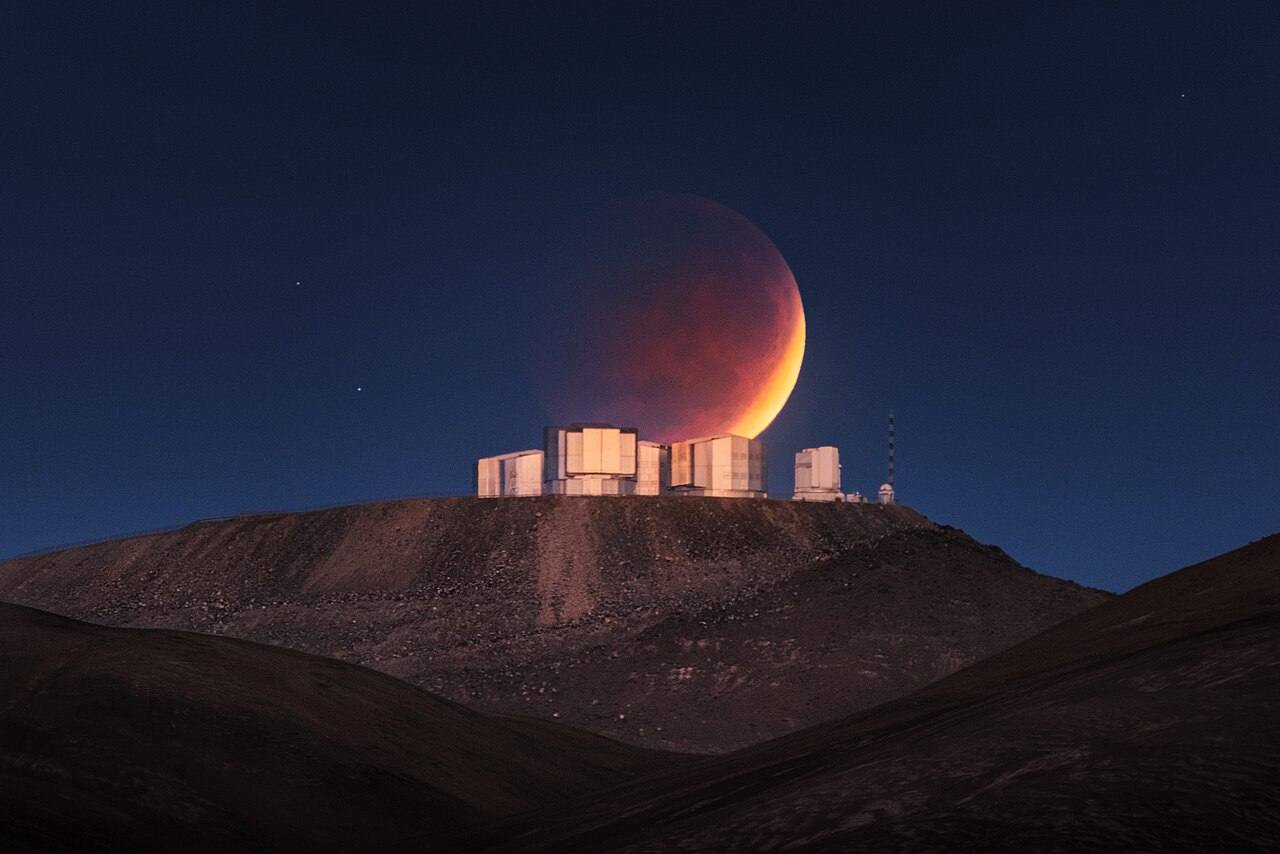
Identity Politics and Scientific Integrity
In a polarized climate where identity often takes precedence over empirical data, the field of volcanology faces its own challenges. The public discourse surrounding climate change and natural disasters frequently devolves into partisan debates, overshadowing the scientific evidence that should guide policy and public response.
On one hand, there are those who decry volcanic activity as a consequence of climate change, attributing every eruption to anthropogenic factors. While it's essential to acknowledge human impact on the environment, the simplistic narrative fails to account for the complex geological processes at play. Volcanologists caution against conflating volcanic activity with climate issues, emphasizing that eruptions have occurred long before industrialization.
On the other side of the spectrum, some dismiss the urgency of monitoring volcanic activity, arguing that the scientific community is overreacting or exaggerating the risks. This perspective can be equally detrimental, as it undermines the necessity for preparedness in the face of potential disasters. "It is vital that we strike a balance," warns Dr. Torres. "Ignoring the evidence simply because it disrupts a political agenda can lead to catastrophic consequences." The challenge lies in navigating these extremes while prioritizing scientific integrity.
The Role of Technology in Monitoring
Advancements in technology play a crucial role in volcano monitoring. Satellite imagery, ground sensors, and seismic data collection have revolutionized the way scientists track volcanic activity. These tools allow for real-time data gathering and analysis, providing invaluable insights into potential eruptions. "We're no longer just waiting for an eruption to occur," explains Dr. Raj Patel, a geophysicist. "We can now study precursors - like gas emissions and ground deformation - that signal a volcano's intent." This proactive approach is essential for safeguarding communities living in the shadow of active volcanoes.
"The moment a volcano erupts, we are usually too focused on the chaos it creates." - Dr. Emily Torres
However, the push for technological solutions also raises questions about the reliance on data over community engagement. Scientists must communicate their findings effectively to local populations, ensuring that communities understand the risks and preparedness measures. This task becomes particularly complex in areas where mistrust of scientific institutions runs high, often fueled by political narratives that undermine scientific authority.
Community Preparedness and Public Awareness
In regions prone to volcanic eruptions, community preparedness is paramount. Educational initiatives that inform residents about the signs of volcanic unrest and evacuation plans can save lives. Unfortunately, many communities remain underprepared, often due to misinformation or a lack of resources. "Public awareness campaigns are essential," says Dr. Patel. "We need to empower communities with knowledge, and that starts with a clear understanding of the risks they face."
As scientists strive to communicate their findings, they must navigate the landscape of public perception shaped by political narratives. The challenge is to build trust and foster a culture of preparedness without succumbing to the extremes of either side of the political spectrum.
Conclusion: Evidence Before Identity
As the world continues to grapple with its geological reality, it is crucial that we prioritize evidence over identity in discussions surrounding volcanic activity. Both the left and the right must recognize the importance of scientific integrity in understanding these natural phenomena. By fostering constructive dialogue rooted in empirical data, we can better prepare for the challenges posed by our planet's fiery giants.
✦ ✦ ✦