From the file. Written for the paper dated July 2023. Opened in the public stacks July 14, 2026.
As the political landscape increasingly resembles a high-stakes game of chicken, the looming threat of government shutdowns reveals deeper issues in the way both major political parties are approaching governance.
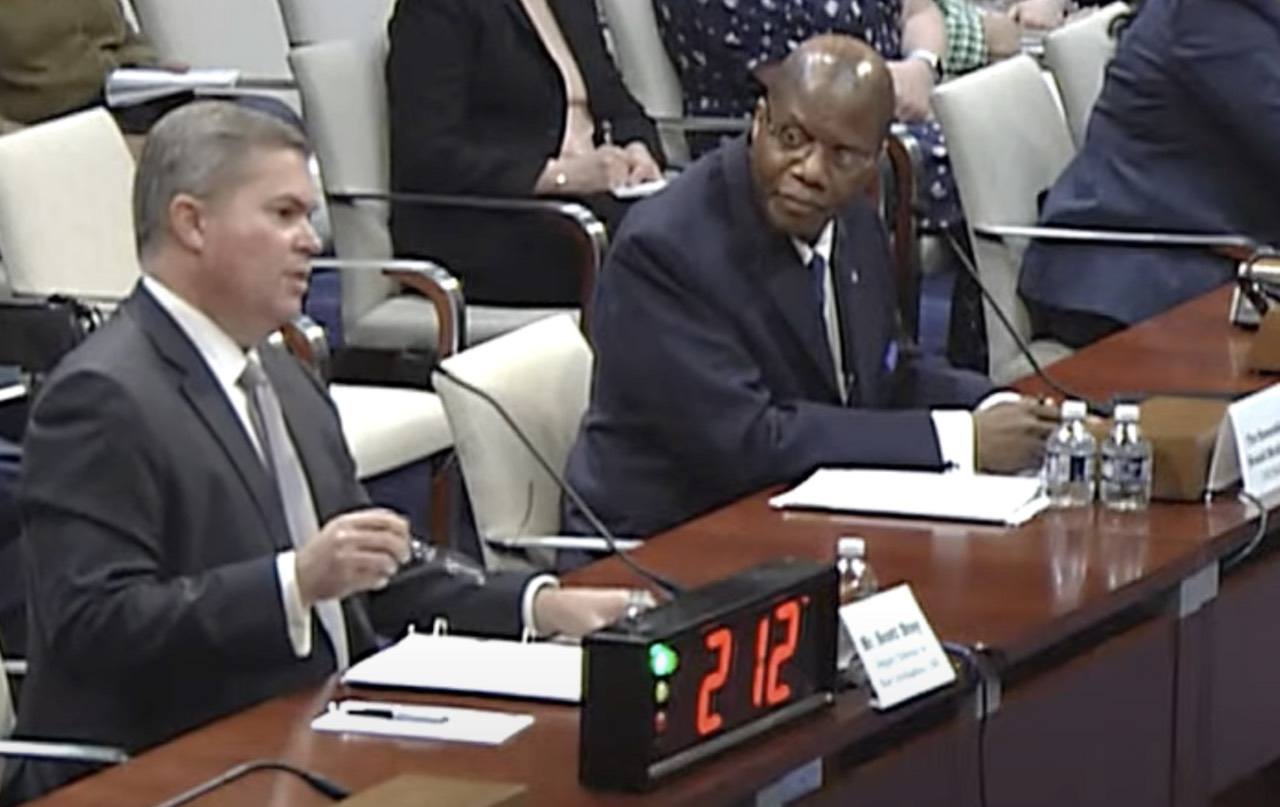
Understanding Shutdown Brinkmanship
In July 2023, the specter of a government shutdown looms large as Republicans and Democrats dig in on their respective positions. With both sides wielding the threat of closure like a weapon, the blame game has escalated. For many Americans, the notion of a government shutdown is not just a political maneuver; it translates into real-world repercussions affecting services, jobs, and the economy at large.

The current environment underscores a critical need for evidence-based governance rather than identity politics. The escalating rhetoric from both sides highlights a dangerous trend where party loyalty overshadows the nuanced complexities of policy-making. As negotiations stall, the focus shifts from tangible solutions to who can outlast whom in this political tug-of-war.

"We're not just talking about numbers on a balance sheet; we're discussing the lives affected by these decisions." - A bipartisan group of lawmakers
The Left’s Overreach
On the left, there’s a tendency to adopt an all-or-nothing approach, which often results in gridlock. Progressive lawmakers have been vocal about their demands for extensive social programs and climate initiatives, but this fervor sometimes alienates moderate voices within their own party. The insistence on sweeping reforms without compromise can lead to stalemates that do little to address the pressing needs of the constituents they serve.

Moreover, the left's emphasis on identity politics risks sidelining critical economic discussions. While advocating for marginalized communities is essential, it is equally important to engage with the broader electorate on fiscal responsibility and sustainable growth. As the government inches closer to a shutdown, the focus must pivot back to the evidence and data that can inform better decision-making, rather than purely ideological stances.
The Right’s Rigidness
Conversely, the right has adopted a strategy rooted in austerity that can often come across as uncompromising. The fiscal hawks within the Republican Party continue to push for significant cuts to social programs, claiming that reducing government spending is the only path to fiscal responsibility. However, this rigid approach overlooks the reality that many Americans rely on these services for their livelihoods.

Furthermore, the right's frequent use of inflammatory language and fearmongering serves to further polarize the conversation. Instead of fostering a collaborative dialogue, the focus has shifted to demonizing the opposition, leading to an environment where meaningful discussions are easily drowned out by partisan rhetoric. This not only jeopardizes potential agreements but also alienates citizens who seek pragmatic solutions over partisan gamesmanship.
The Cost of Political Stalemate
As both sides continue to dig in their heels, the potential consequences of a government shutdown are profound. National parks could close, federal employees could face unpaid leave, and essential services could be disrupted. The impact on the economy could be significant, with many analysts warning of potential long-term repercussions should a shutdown occur.
Moreover, the public's trust in government continues to erode as citizens observe their representatives engaging in what often feels like a performance rather than a genuine effort to solve problems. Citizens are weary of the constant brinkmanship, and many are beginning to demand accountability and a return to governance based on facts and evidence rather than political posturing.
Seeking Common Ground
To navigate through this turbulent political landscape, both parties must recognize that the path forward requires compromise and a commitment to evidence-based governance. Rather than leveraging the threat of shutdown as a bargaining chip, it is imperative that lawmakers focus on the needs of their constituents and the broader implications of their actions.
Engaging in constructive dialogue, prioritizing pragmatic solutions, and abandoning the rigid ideological divides could pave the way for a more functional government. The American public deserves leaders who are willing to set aside their differences and work collaboratively for the common good, rather than succumbing to the allure of partisan power plays.
✦ ✦ ✦
For local service context, see Marketingbymagnet.