From the file. Written for the paper dated July 2023. Opened in the public stacks July 14, 2026.
As the noise of the headlines fades, a closer examination of retail sales reveals a complex landscape that reflects broader economic trends, consumer sentiment, and the challenges faced by both shoppers and retailers in July 2023.
The State of Retail Sales
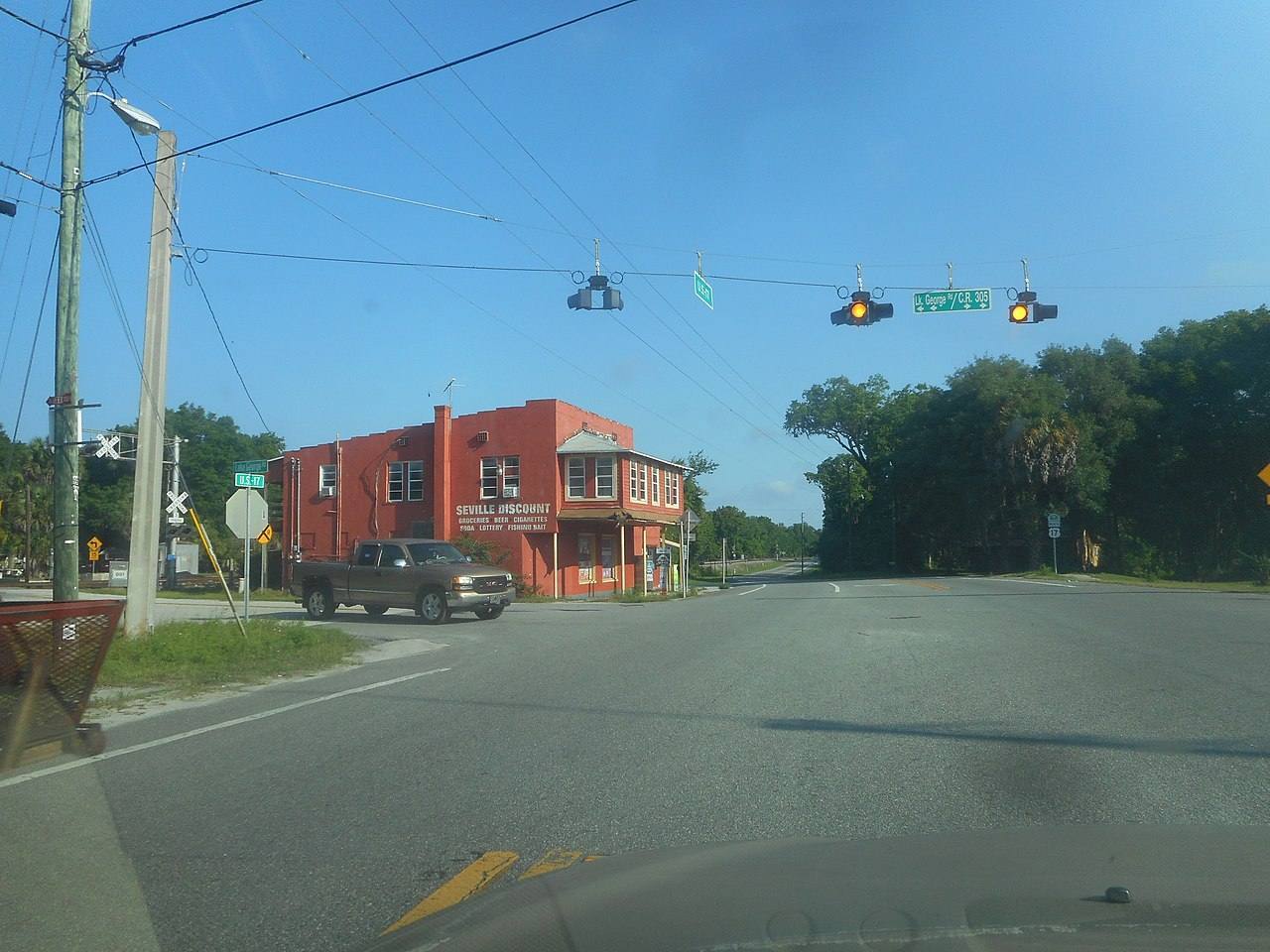
Retail sales figures are often touted as barometers of economic health, but July's numbers illustrate how misleading they can be when taken at face value. While some sectors appear to be thriving, others are struggling to keep pace, creating a patchwork of fortunes across the retail landscape.
Overall, retail sales have seen a modest uptick, but the gains are not uniform. Major chains report strong sales, particularly in categories like electronics and home goods, driven by a combination of pent-up demand and seasonal promotions. However, smaller retailers are feeling the pinch, with many struggling to attract foot traffic amidst inflationary pressures and changing consumer habits.
Consumer Confidence and Spending
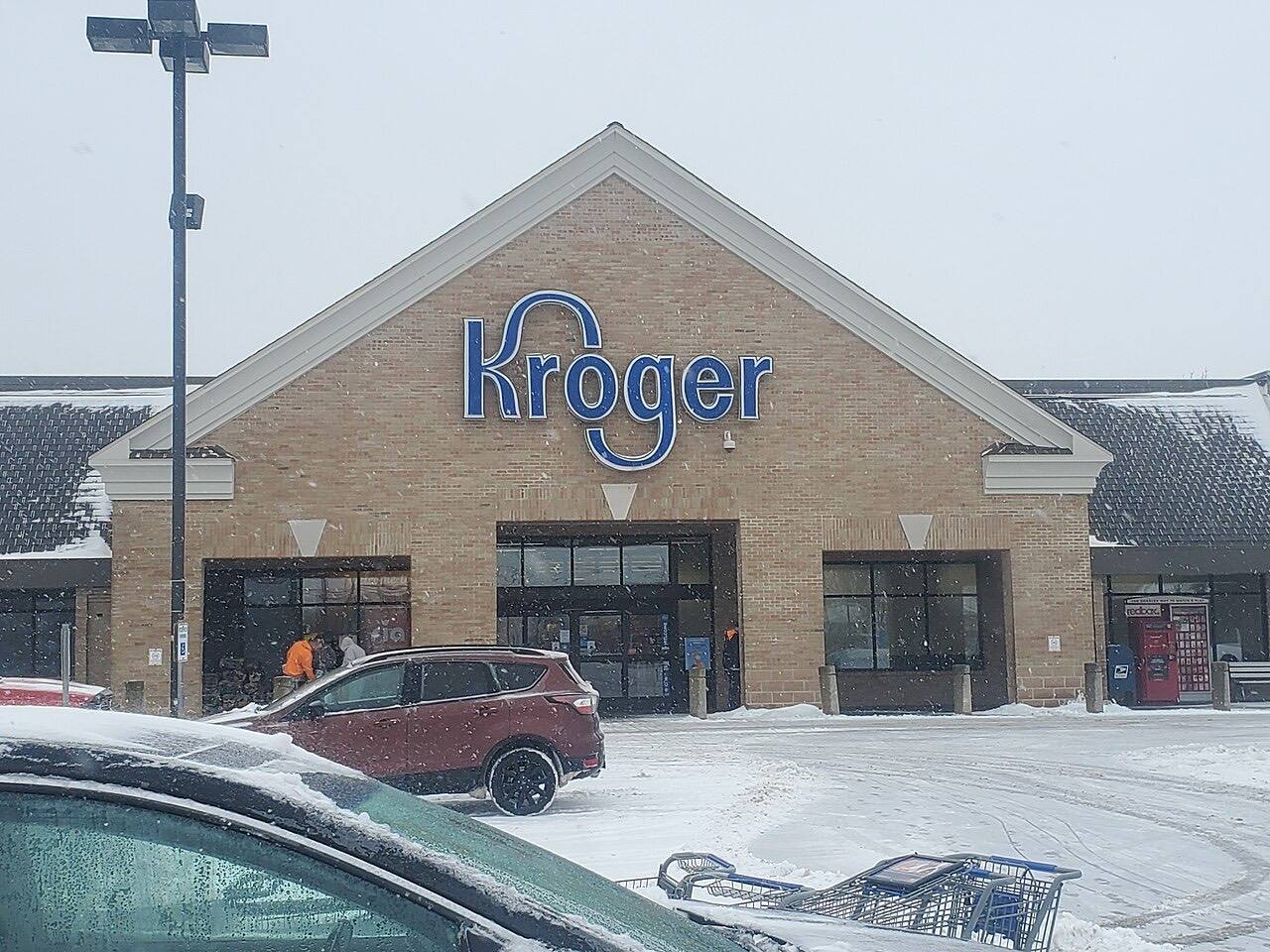
Consumer confidence remains a double-edged sword. While some shoppers are willing to spend on discretionary items, others are tightening their belts due to rising costs of living. This dichotomy is evident in the spending patterns observed in July. Luxury brands are flourishing, while discount retailers are witnessing a decline in foot traffic.
"The spending habits of consumers are increasingly polarized, reflecting broader economic disparities."
This polarization is not just a reflection of income inequality, but also of shifting values among consumers, many of whom are re-evaluating their purchasing priorities. As the economic landscape evolves, so too does the identity of the modern shopper, leading to a more complex relationship with retail.
Inflation's Impact on Retail Dynamics
Inflation continues to be a significant factor influencing retail sales. Prices have risen across the board, and while retailers may benefit from higher price points, customers are becoming more selective in their purchases. Retailers are caught in a precarious balancing act: they must manage inventory while still appealing to cost-conscious consumers.
Interestingly, the response to inflation has been varied. Some retailers are doubling down on promotions, trying to entice cautious shoppers, while others are opting to maintain higher prices, banking on brand loyalty. This divergence in strategy underscores the varying degrees of resilience across the retail sector.
Online vs. Brick-and-Mortar
While the pandemic accelerated the shift to online shopping, the landscape in July 2023 suggests a more nuanced reality. Brick-and-mortar stores are not dead; in fact, many are experiencing a resurgence as shoppers seek experiences and personal interactions that digital platforms cannot provide. Yet, e-commerce remains a formidable force, capturing a significant portion of retail sales.
The challenge for traditional retailers lies in adapting to this hybrid shopping environment. Those who can blend the best of both worlds - leveraging online platforms while enhancing in-store experiences - are likely to thrive in the current climate. The shift towards an omnichannel approach is not just a trend; it’s a necessity for survival.
The Political Landscape and Retail Policy
The current political climate has added another layer of complexity to retail dynamics. Both sides of the political spectrum have been quick to capitalize on retail trends to serve their narratives. The left often points to the struggles of small businesses and the need for more substantial support, while the right emphasizes consumer spending as evidence of economic recovery.
However, both sides risk oversimplifying the issues at hand. The reality is that retail sales are influenced by a myriad of factors, including consumer behavior, economic policies, and global market trends. Any political rhetoric that fails to acknowledge this complexity may lead to misguided policy decisions that could further exacerbate existing challenges.
Looking Ahead
As we move deeper into the second half of 2023, the retail landscape will continue to evolve. Retailers must remain agile, adapting to changing consumer preferences and economic conditions. The ability to analyze sales data beyond the surface will be crucial for identifying trends and making informed decisions.
In this environment, evidence must take precedence over identity. The need for thoughtful analysis and strategic planning is essential as retailers navigate the uncertainties that lie ahead. Those who can embrace change while remaining grounded in evidence-based practices will be best positioned to succeed in a rapidly shifting marketplace.
✦ ✦ ✦