From the file. Written for the paper dated July 2023. Opened in the public stacks July 14, 2026.
As the political landscape shifts in the heat of the 2024 election cycle, campaign finance emerges as a critical battleground where transparency and accountability are often overshadowed by partisan theatrics.

Understanding the Current Landscape
The recent debates around campaign finance reveal a stark divide between the two major parties. On the left, there is an increasing outcry for stricter regulations and transparency in funding sources. Activists argue that dark money has infiltrated the electoral process, drowning out the voices of everyday Americans. Meanwhile, the right leans on the principle of free speech, asserting that financial contributions are a form of political expression protected by the First Amendment. This ongoing tug-of-war raises pivotal questions about the integrity of democracy itself.
The Left's Call for Reform
Progressives have rallied around the idea that the current campaign finance system is rigged in favor of the wealthy elite. They advocate for reforms such as the elimination of super PACs and the implementation of public financing for campaigns. Proponents argue that this would level the playing field, allowing candidates from diverse backgrounds to compete on equal footing. However, some critics within the party contend that these proposals risk alienating potential voters who may see them as overly restrictive and impractical.
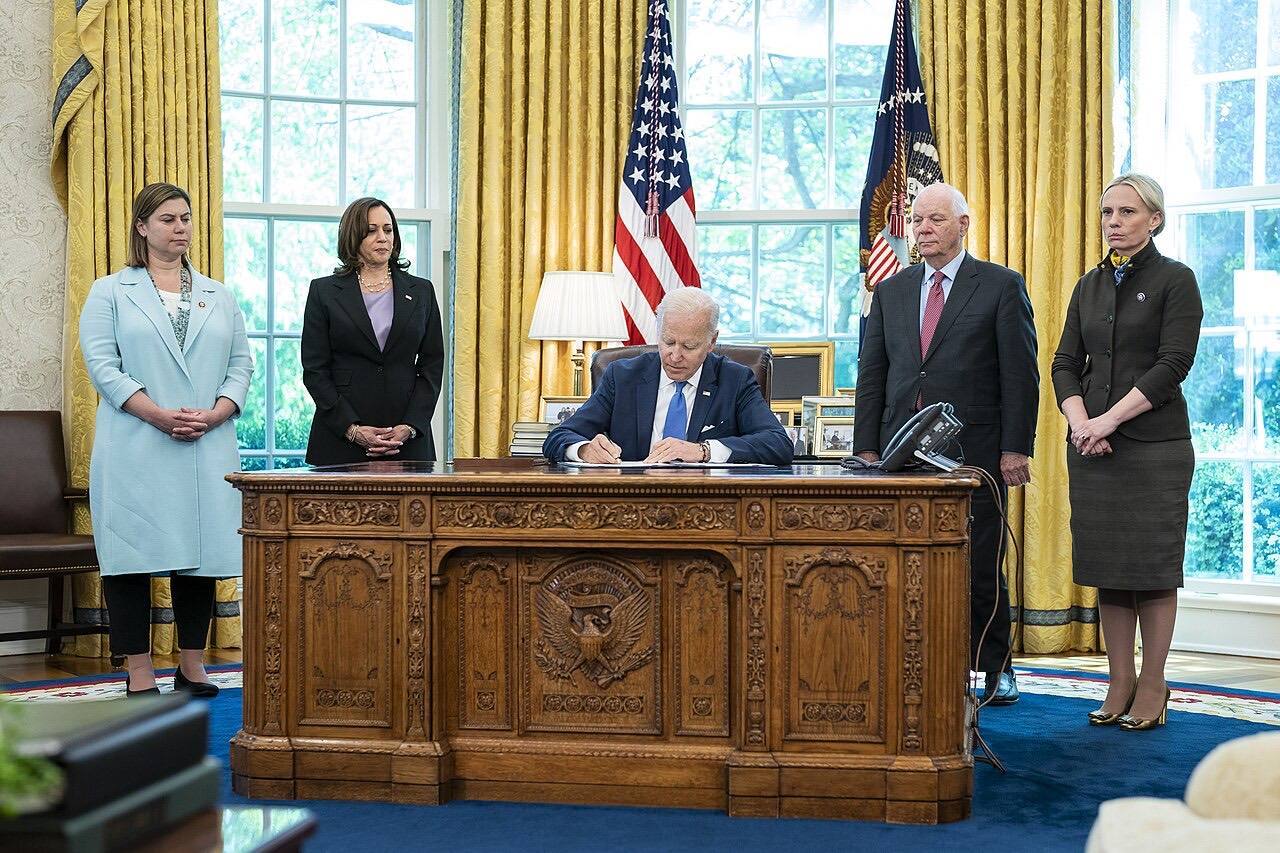
"The disproportionate influence of money in politics is a cancer that threatens the very fabric of our democracy."
The Right's Defense of Contributions
Conversely, conservative voices emphasize the importance of financial contributions as a cornerstone of free speech. They argue that limiting campaign donations infringes on individual rights and stifles robust political discourse. This perspective often paints the left's reform efforts as an attempt to control political narratives rather than a genuine effort to improve the electoral process. Yet, this stance can sometimes overlook the reality that unregulated funding can lead to corruption and a lack of accountability, ultimately undermining voter trust.
The Middle Ground: Finding Balance
Amidst these extremes lies a potential middle ground. Some bipartisan efforts are emerging to address campaign finance issues without completely alienating either side. Initiatives aimed at enhancing transparency, requiring organizations to disclose donors, and setting reasonable limits on contributions could provide a framework that protects free speech while also safeguarding democratic integrity. However, achieving consensus in a polarized political climate remains a daunting challenge.
Real-World Implications
The implications of the current campaign finance debate extend beyond mere rhetoric. As election season heats up, the candidates' funding sources often become focal points of scrutiny. Voters are increasingly aware that the funding behind candidates can influence their policy positions and priorities once in office. This realization has led to a growing demand for accountability, as constituents seek assurance that their elected representatives are acting in their interests rather than those of their financial backers.

The Role of the Media
Media coverage plays a crucial role in shaping public perception of campaign finance issues. However, sensationalized headlines often obscure the nuanced realities of financial contributions. While it's essential to highlight instances of corruption or unethical practices, it's equally important to present a balanced view of the broader context. An informed electorate can only emerge through responsible journalism that emphasizes facts over partisan narratives.
Conclusion: Evidence Over Identity
As we move forward into the 2024 election season, the debate over campaign finance will undoubtedly intensify. Voters must prioritize evidence over identity when evaluating candidates and their funding sources. The focus should be on ensuring that democratic processes are fortified against the corrosive effects of money, rather than allowing partisan extremes to dictate the conversation. Only through a collective commitment to transparency, accountability, and fair play can we safeguard the future of our democracy.
✦ ✦ ✦