From the file. Written for the paper dated July 2023. Opened in the public stacks July 14, 2026.
As the summer heat intensifies, so does the gridlock in Washington, where a budget standoff has emerged as a defining issue of July 2023. While the nation grapples with rising inflation and economic uncertainty, partisan bickering has transformed what should be a straightforward fiscal responsibility into a spectacle of ideological warfare.
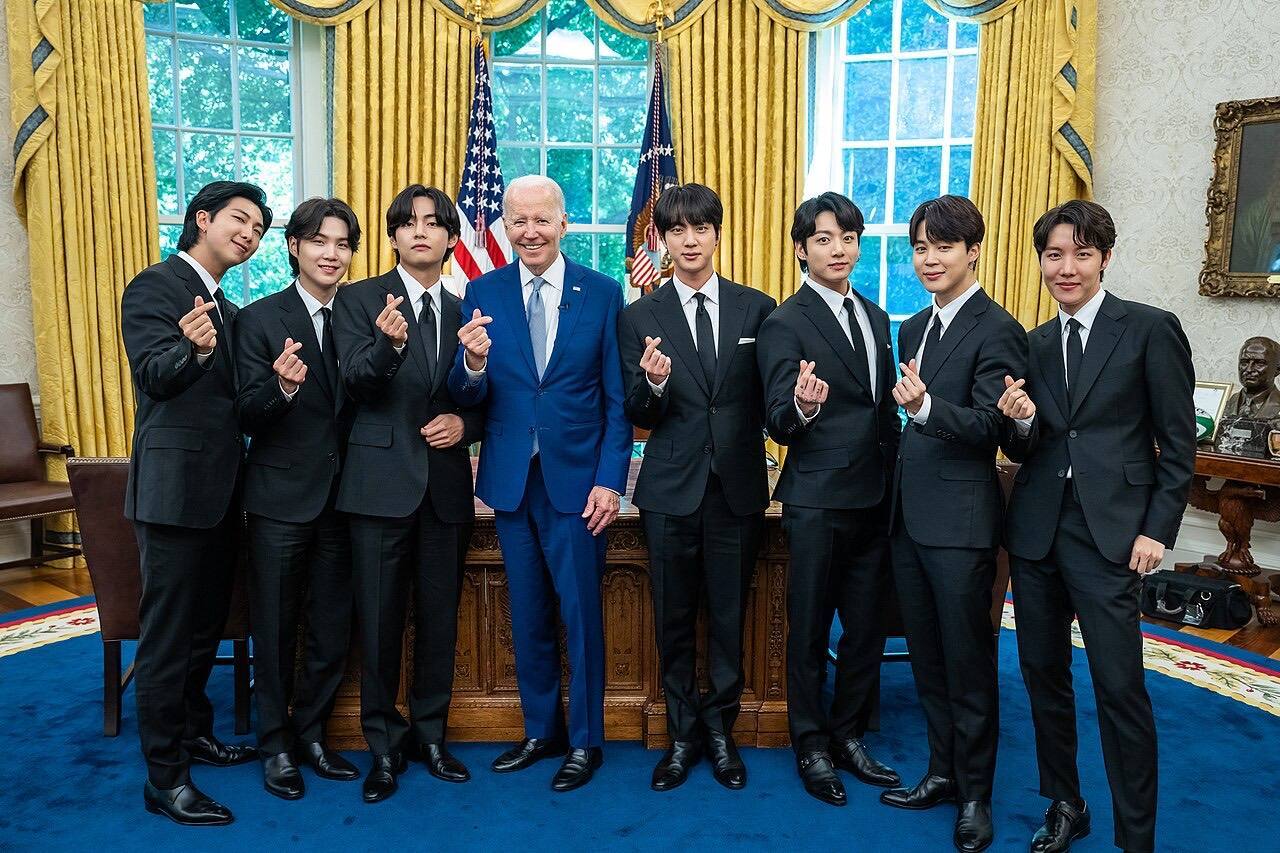
The Divided Landscape
The current budgetary impasse has exposed deep divisions, not only between the Democrats and Republicans but also within each party. On one side, hardline conservatives are insisting on severe spending cuts, arguing that fiscal restraint is necessary to curb the federal deficit. On the other, progressive Democrats are advocating for increased investment in social programs, emphasizing the need for a safety net amid rising costs of living. Both sides are engaging in what can only be described as political theater, with each faction prioritizing identity over evidence.

"In an age where identity has become a powerful political tool, evidence-based policy seems to be losing its place at the table."
This standoff is not merely a reflection of policy disagreements; it is also emblematic of a broader trend that has seen the political discourse shift from substantive debate to a struggle over ideological purity. This shift is concerning, especially as it sidelines the voices of moderates who advocate for a more balanced approach to governance.
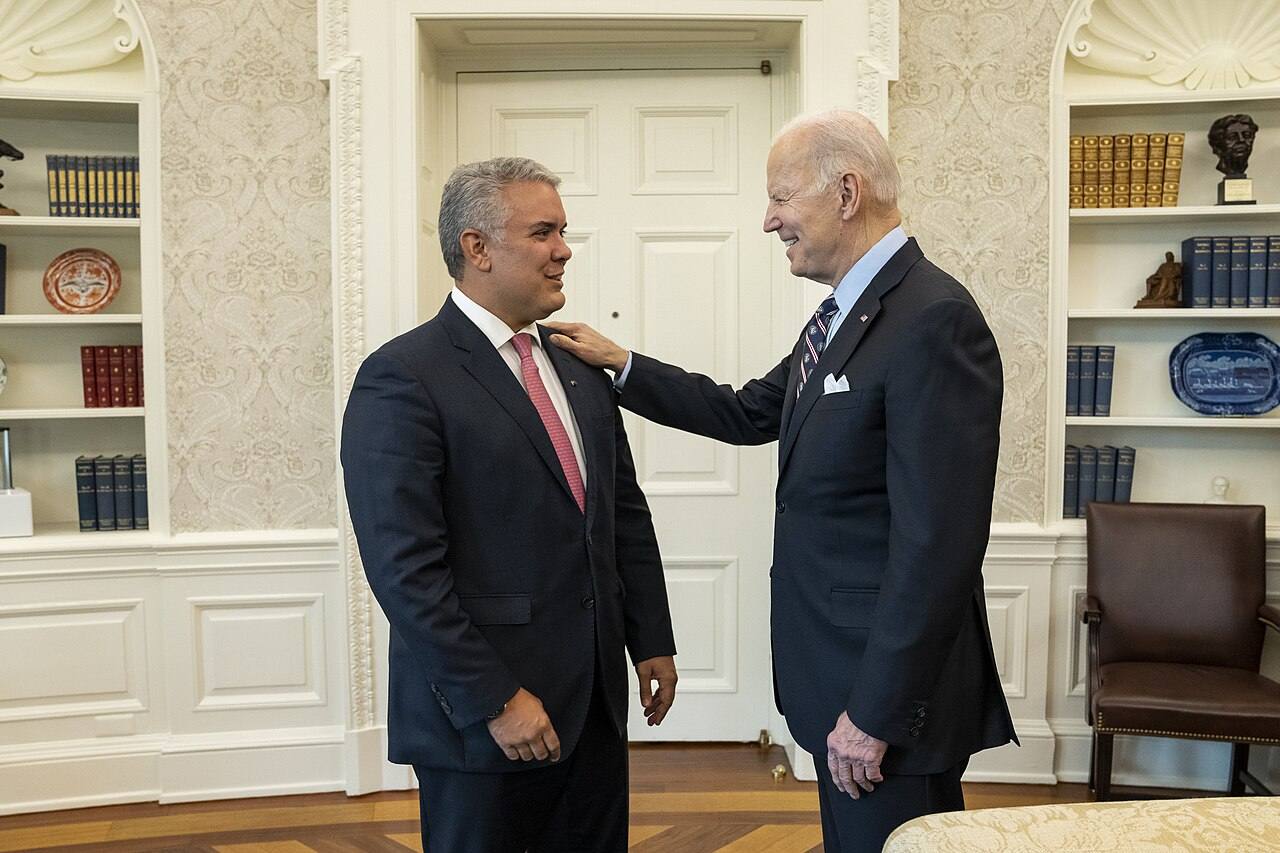
Consequences of Inaction
The ramifications of this budget stalemate extend far beyond the halls of Congress. Federal agencies are facing uncertainty, and programs that millions rely on may see their funding jeopardized. Essential services, from healthcare to education, hang in the balance as lawmakers continue to play a dangerous game of brinkmanship.

As the clock ticks down, the American public watches in frustration. Voters are increasingly disillusioned, feeling that their leaders are more interested in scoring points off each other than in addressing the real problems facing the nation. Polls indicate a growing sentiment that both parties are failing to rise to the occasion, leading to a climate of distrust and dissatisfaction.
Left and Right Excesses
The left's insistence on expansive social spending often overlooks the necessity for fiscal prudence. While the call for increased investment in public services is well-intentioned, it can sometimes border on reckless abandon of budgetary constraints. Progressives argue that the economic benefits of these investments will eventually outweigh the costs, but without a clear plan to fund these initiatives, such assertions can seem more aspirational than actionable.

Conversely, the right's fixation on austerity measures often ignores the immediate needs of struggling Americans. The relentless push for cuts can come across as heartless, particularly when those cuts threaten programs designed to help the most vulnerable. The mantra of fiscal responsibility can easily morph into a doctrine that prioritizes numbers over lives - a troubling reality that many Americans are beginning to recognize.
"Both sides must remember that budgets are not just about numbers; they reflect the values and priorities of our society."
Finding Common Ground
As we navigate these turbulent waters, the challenge lies in finding common ground. It is crucial for lawmakers to step beyond the confines of their ideological bubbles and engage in genuine dialogue. The American people deserve a government that prioritizes evidence-based solutions over partisan identity. Lawmakers must be willing to compromise, to listen, and to understand that the best policy outcomes often arise from collaboration rather than confrontation.
In a democracy, it is essential for leaders to build bridges rather than walls. The current standoff is a call to action for those elected to serve the public interest. It is a reminder that the time for ideological posturing is over, and the time for pragmatic governance is now. If we are to emerge from this budget crisis stronger and more united, it will require a concerted effort to prioritize the common good over party loyalty.
Conclusion
The budgetary deadlock currently gripping Washington is a reflection of a political culture that has become increasingly entrenched in its own identity politics. Both the left and the right must recognize that evidence-based policy is essential for effective governance. As the budget deadline looms, it is imperative for lawmakers to move beyond excess and work collaboratively towards solutions that serve the interests of all Americans.
✦ ✦ ✦