From the file. Written for the paper dated July 2023. Opened in the public stacks July 14, 2026.
As the headlines fade, the auto industry finds itself at a crossroads, grappling with the complexities of innovation, regulation, and consumer demands. In July 2023, the industry stands marked by fierce competition, shifting consumer preferences, and a rapidly evolving regulatory landscape.
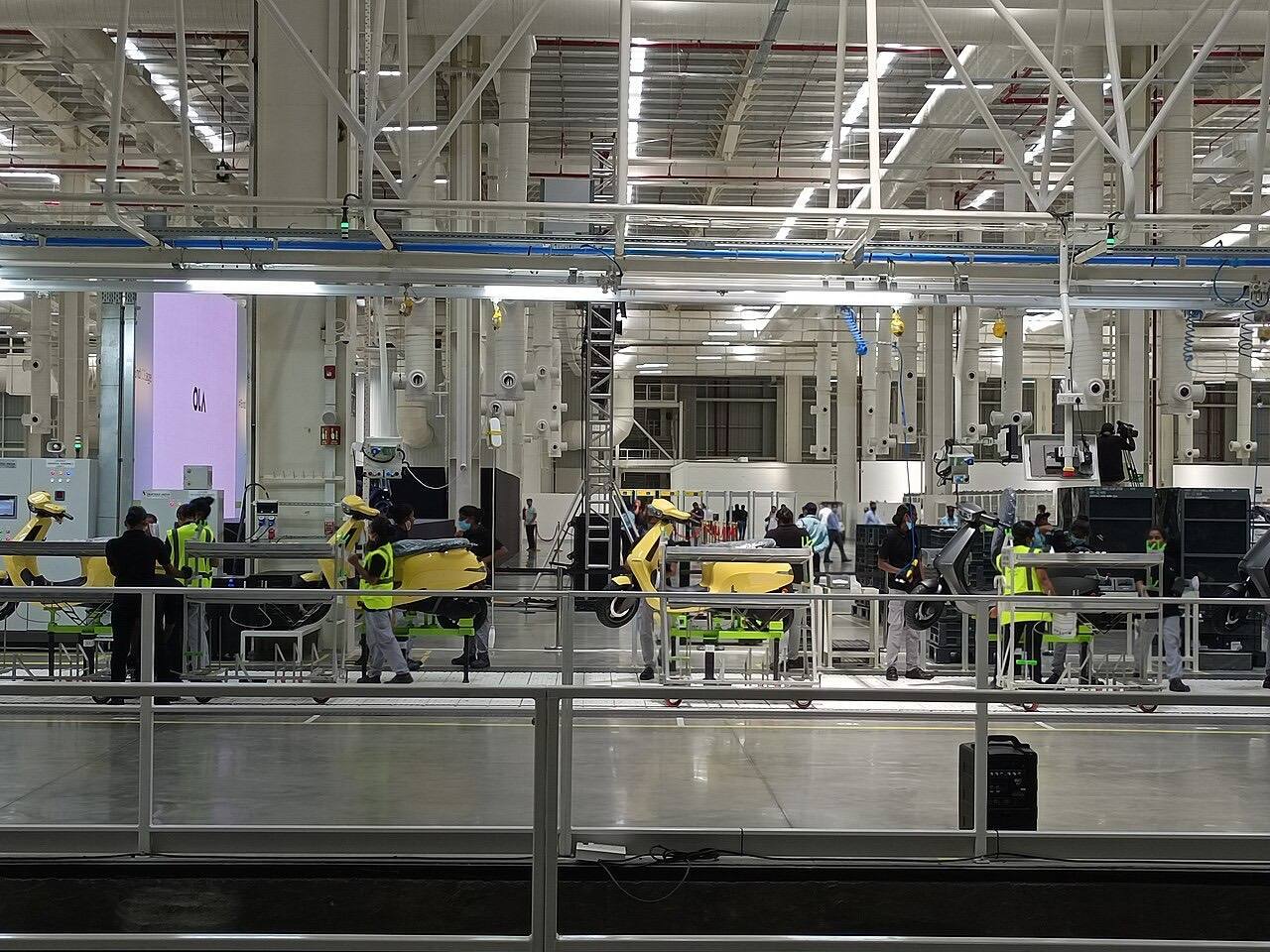
The Shifting Landscape of Auto Manufacturing
In recent years, the auto industry has been on an unpredictable ride. Traditional automakers are navigating unprecedented shifts as electric vehicles (EVs) gain traction against a backdrop of climate concerns and technological advancements. The pandemic-induced supply chain disruptions have tested the resilience of manufacturers, while the race to innovate has led to a surge in investments in battery technology and sustainable practices.

For instance, major players like Ford and General Motors are not only ramping up their EV production but also redefining their corporate identities around sustainability. However, this transition is not without its challenges. As manufacturers strive to meet regulatory mandates and consumer expectations, they must balance innovation with profitability.
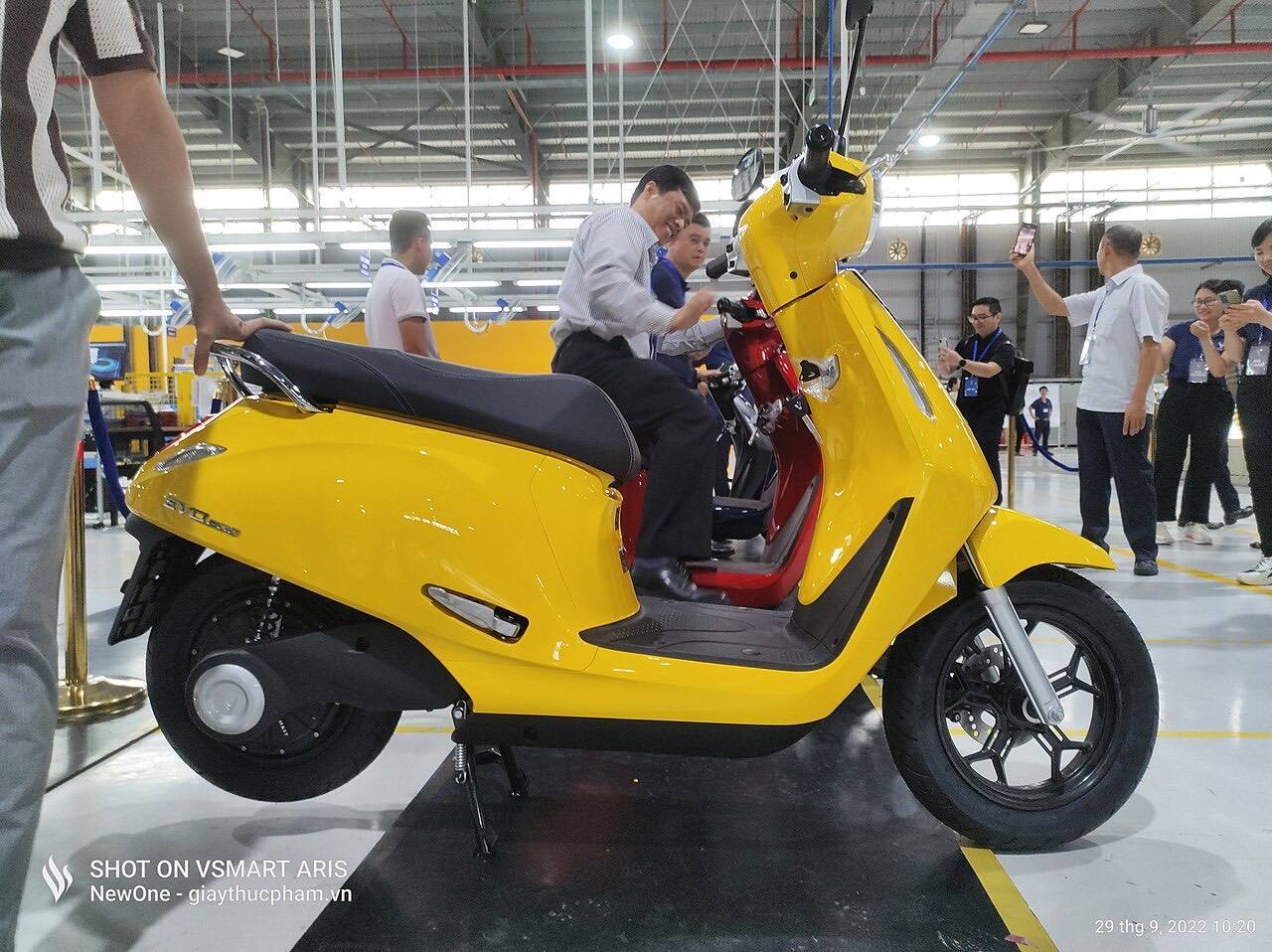
Regulatory Pressures and Industry Response
On one hand, the push for cleaner energy and emissions reduction has led to stringent regulations, compelling automakers to invest heavily in green technologies. On the other hand, these regulations have sparked a fierce debate within the industry. Critics argue that excessive regulations stifle innovation and burden manufacturers with compliance costs that could ultimately be passed on to consumers.

This dichotomy is evident in the contrasting approaches of various states. California, for example, has implemented aggressive emissions targets that exceed federal standards, prompting both support and backlash. While environmental advocates praise these measures, industry leaders express concerns over the potential for a fragmented regulatory environment that could complicate manufacturing and distribution.
"The future of the auto industry hinges on our ability to adapt, but we need a regulatory framework that supports innovation rather than stifling it."
Consumer Preferences in a Changing Market
As automakers pivot towards EVs and sustainable practices, consumer preferences are also shifting. Surveys indicate a growing acceptance of electric vehicles among buyers, with many prioritizing environmental impact in their purchasing decisions. However, this enthusiasm is tempered by concerns over charging infrastructure, range anxiety, and vehicle pricing.
Moreover, the polarizing political climate influences consumer perceptions. While some consumers embrace the shift towards greener vehicles, others remain skeptical, often viewing it through an ideological lens. The left champions the transition as a necessary step towards climate action, while the right often critiques it as an overreach of government intervention. This polarization complicates marketing strategies, forcing automakers to tread carefully in their messaging.
Innovation vs. Tradition
As the auto industry evolves, the tension between innovation and tradition becomes increasingly pronounced. Legacy brands are investing in cutting-edge technology to stay relevant, but they also face the challenge of maintaining their established customer base. The risk of alienating long-time consumers who prefer conventional vehicles is a delicate balancing act.
New entrants to the market, particularly tech companies, are upending traditional business models. They are not only producing vehicles but also developing software solutions that enhance the driving experience. In this environment, established automakers must rethink their strategies to compete effectively with disruptors that prioritize user experience and technological integration.
The Road Ahead
Looking forward, the auto industry faces both challenges and opportunities. The transition to electric vehicles is inevitable, but it is critical to ensure that this shift is equitable and accessible to all consumers. Policymakers must work collaboratively with automakers to create an environment that fosters innovation while addressing the socioeconomic disparities that could hinder widespread adoption.
As the industry continues to navigate these turbulent waters, it is essential for all stakeholders - manufacturers, government, and consumers - to engage in open dialogue. The future of transportation will require a collective effort to balance environmental goals with economic realities, ensuring that the auto industry can thrive in a changing world.
✦ ✦ ✦