From the file. Written for the paper dated June 2023. Opened in the public stacks July 14, 2026.
As Congress approaches another potential government shutdown, the rhetoric from both sides escalates, with each party scrambling to position itself as the champion of fiscal responsibility while the public record tells a more complex story.
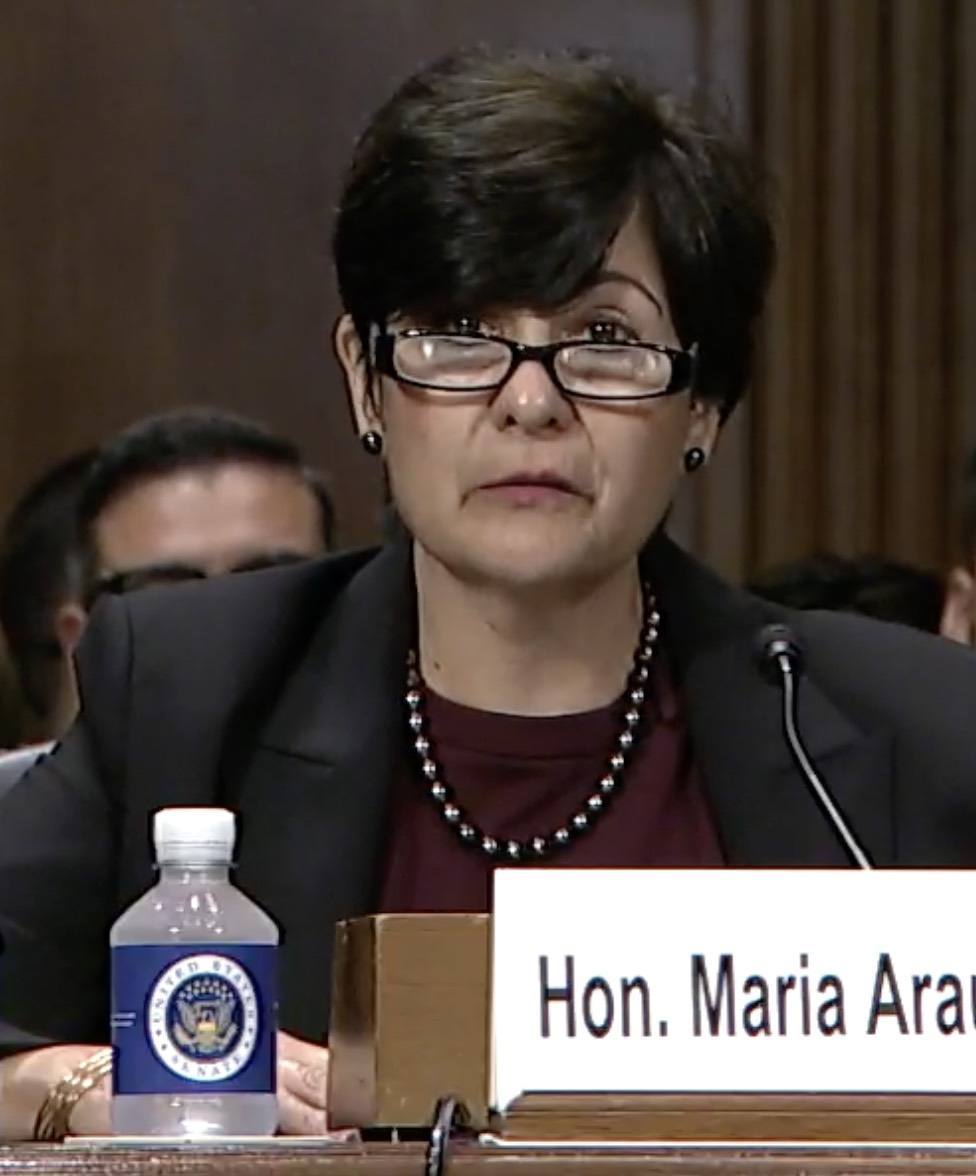
The Standoff: A Recurring Theme
In recent weeks, Washington has been embroiled in a fierce debate over budget allocations, with both Democrats and Republicans wielding their narratives like swords. The looming threat of a government shutdown has become a familiar fixture in the political landscape, igniting fears of disrupted services and economic fallout. Yet, as the political theater unfolds, it is essential to disentangle the public claims from the actual record.
On one side, Republicans have taken to proclaiming their commitment to reducing federal spending as a matter of principle. They argue that fiscal conservatism is not merely a policy preference but a moral imperative. However, examining the historical record reveals a more nuanced reality. Over the past decade, Republican-led administrations have presided over substantial increases in the national debt, often citing necessary expenditures for national defense and tax cuts. This contradiction raises questions about the sincerity of their claims regarding fiscal responsibility.

Meanwhile, Democrats have positioned themselves as the defenders of essential services, painting the potential shutdown as an attack on vital programs like Social Security and Medicare. They emphasize the need for robust government funding to combat social issues and maintain public welfare. Yet, the party has also been criticized for its own budgetary missteps, including the expansion of programs that some argue are unsustainable without comprehensive reform. The gap between rhetoric and action has left many voters feeling disillusioned.
Public Sentiment and Political Reality
“Every time we approach a shutdown, it feels like a game of chicken that nobody wins.”
Public sentiment reveals a growing frustration with the standoff. A recent survey indicated that a significant percentage of Americans believe both parties are failing to address the issues that matter most, instead prioritizing political gamesmanship. The perception that lawmakers are more concerned about scoring points than governing effectively has eroded trust in the political process.
This disillusionment is exacerbated by the spectacle of shutdown brinkmanship. Each party appears to be increasingly willing to risk essential services and economic stability to gain leverage over the other. This strategy not only endangers public trust but can also have long-lasting repercussions on the nation’s fiscal health.
Accountability and Transparency
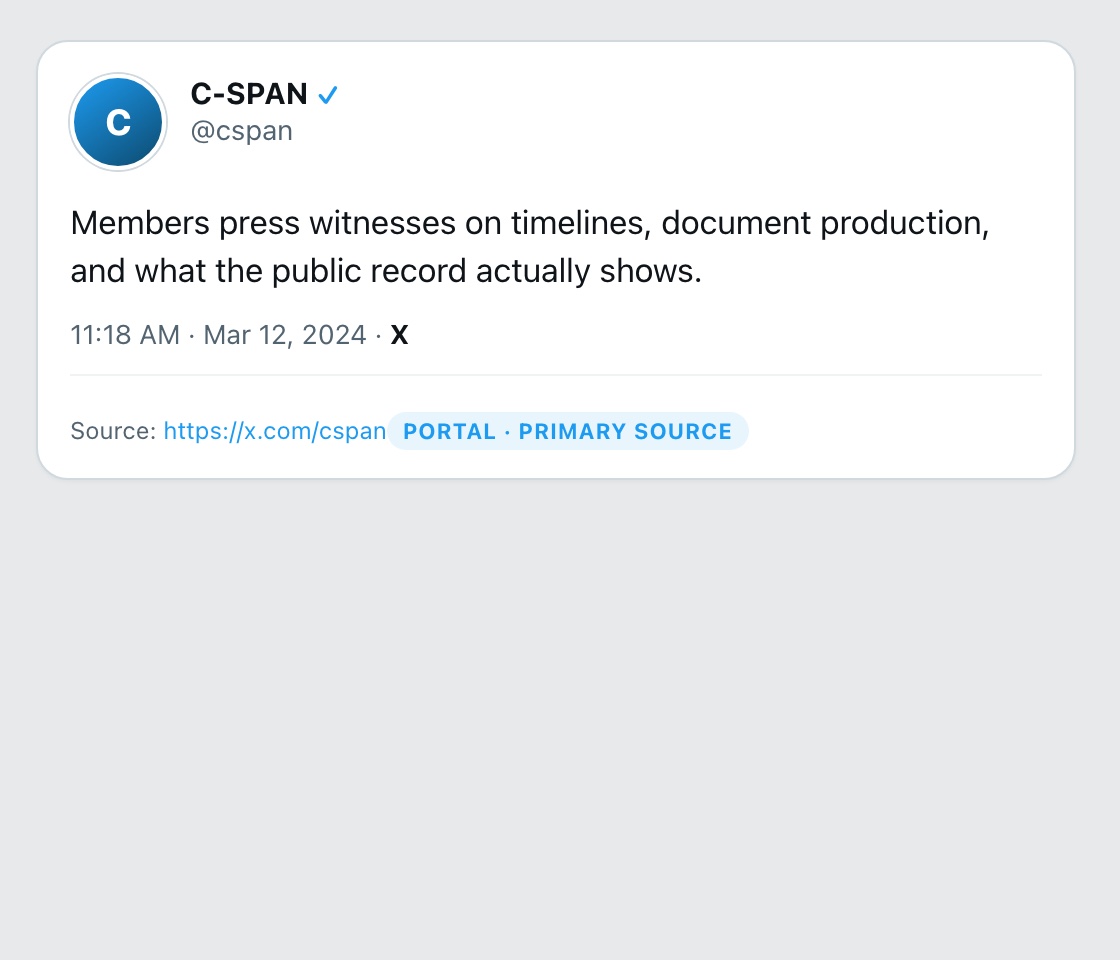
One of the most glaring deficiencies in the current political environment is the lack of accountability and transparency from elected officials. As they engage in a battle of narratives, the public is left to sift through conflicting information. The reality is that both parties have contributed to the current fiscal dilemma, yet neither is willing to fully acknowledge its role.
Moreover, the media landscape plays a significant role in shaping public perception. Coverage often amplifies partisan talking points rather than providing a balanced analysis of the issues at hand. This creates an environment where misinformation can thrive, ultimately complicating the public's understanding of complex budgetary matters.
As the deadline approaches for budget negotiations, the public deserves a clearer picture of where their representatives stand. Transparency in the decision-making process is crucial for rebuilding faith in the system. Lawmakers must move beyond the blame game and start offering concrete solutions that address the root causes of the fiscal challenges facing the nation.
Finding Common Ground
Ultimately, the path forward requires both parties to engage in genuine dialogue and compromise. The stakes are too high for continued partisan bickering. A government shutdown would not only affect federal employees but could also disrupt essential services that millions of Americans rely on daily.
In this charged atmosphere, it is imperative for citizens to demand accountability from their elected officials. The focus should shift from political posturing to pragmatic solutions that prioritize the well-being of the American people. Only then can we begin to restore faith in government and ensure that it operates effectively for all.
Conclusion
As we stand on the brink of yet another potential government shutdown, it is clear that both sides must confront the realities of their claims. The narrative of fiscal responsibility has been co-opted by the very same politicians who have contributed to the current predicament. It is time for both parties to recognize their shared responsibility and work collaboratively to avert a crisis that serves only to deepen public disillusionment.
✦ ✦ ✦