From the file. Written for the paper dated June 2023. Opened in the public stacks July 14, 2026.
In a world where every tick of the currency market is scrutinized and dissected, the contrast between public statements from financial leaders and the realities of market performance often raises eyebrows. The currency markets are not only a reflection of economic health but also a battleground for narratives spun by both sides of the political spectrum.

Political Narratives in Currency Markets
The currency market is a dynamic and often volatile environment influenced by a multitude of factors, including economic indicators, geopolitical tensions, and, increasingly, the rhetoric from political leaders. In recent months, we have seen a surge in claims from public officials regarding the strength of the U.S. dollar, with some asserting that it remains a symbol of economic stability. However, the reality may tell a different story.
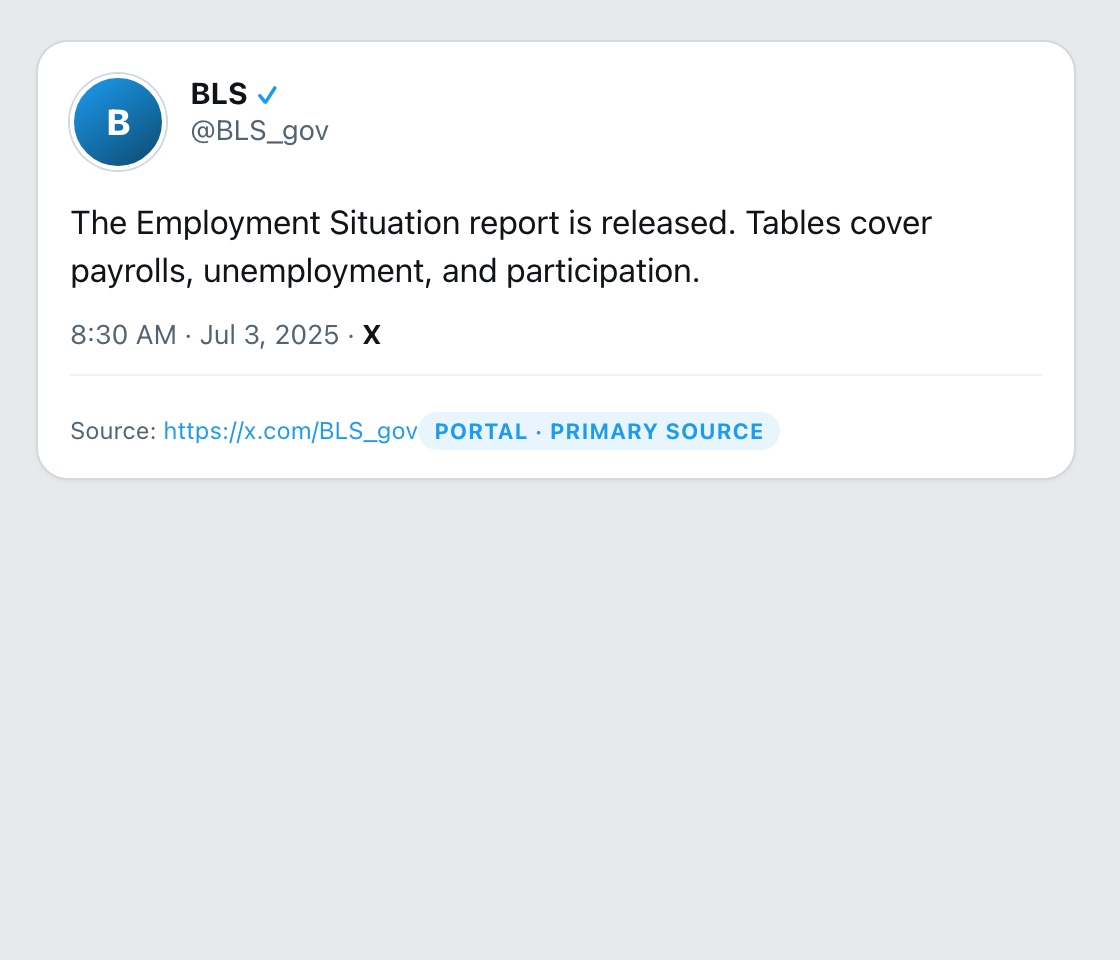
On one hand, proponents of the administration argue that the dollar's position as the world's primary reserve currency is solid, citing rising foreign investment and a robust job market as evidence. However, the data indicates that while the dollar has enjoyed some stability against other currencies, it has experienced notable fluctuations that suggest underlying vulnerabilities. The disconnect between public assurance and market performance raises questions about the accuracy of these optimistic portrayals.

Market Performance Versus Public Claims
One of the most striking examples of this discrepancy can be found in the exchange rates between the dollar and other major currencies such as the euro and yen. Recent reports highlight that while the dollar has seen some gains, it has also faced significant pressure from economic indicators that suggest potential weakening. Inflation rates, interest rate adjustments by the Federal Reserve, and international trade tensions are all contributing factors that are often downplayed in public discourse.
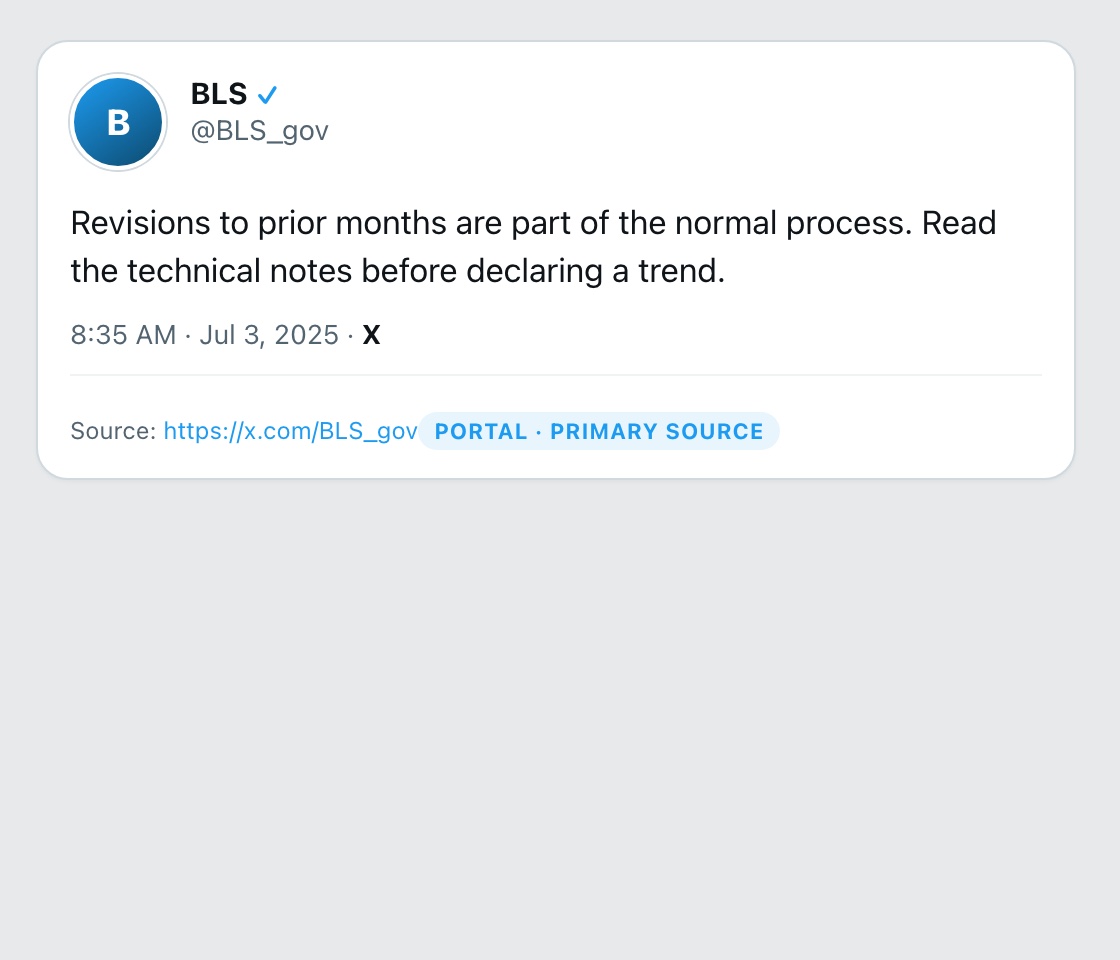
"The dollar's strength is not just about rhetoric; it's about real economic fundamentals." - Economist
On the other side of the aisle, critics of the administration are eager to point out every dollar dip, framing it as a failure of the current economic strategy. This narrative often overlooks the complexities of global markets and the cyclical nature of currency trends. The tendency to oversimplify these issues into partisan talking points does a disservice to the nuanced understanding required to navigate currency markets effectively.
Global Factors at Play
Moreover, global factors continue to play a significant role in currency valuation. Recent geopolitical developments, such as tensions in Eastern Europe and trade negotiations in Asia, have led to unpredictable shifts in investor sentiment. These external pressures often have a more immediate impact on currency performance than domestic policies or declarations. While politicians may focus on local narratives to bolster their agendas, the broader international context cannot be ignored.

As the political discourse intensifies, it is crucial for the public and investors alike to critically evaluate the claims being made. Blind faith in political assurances can lead to misinformed investment decisions and a lack of preparedness for market volatility. The currency market is not merely a reflection of national policy but rather a complex interplay of numerous factors that demand careful consideration.
The Role of Public Perception
Public perception plays a crucial role in the currency markets as well. A strong dollar can inspire confidence among consumers and businesses, potentially leading to increased spending and investment. However, if the narrative becomes overly optimistic without supporting data, it can create a bubble that is ripe for bursting when reality sets in. Conversely, fear-driven narratives can lead to panic selling, further destabilizing the market.
Thus, it becomes imperative for leaders to strike a balance between promoting confidence and providing a realistic assessment of the economic landscape. Excessive optimism or pessimism can have tangible effects on market behavior, and the responsibility lies not just with politicians but with the media and analysts as well. Accurate reporting and responsible commentary are essential in shaping a well-informed public discourse.
As we move forward, the interplay between public claims and market realities will continue to shape the landscape of currency trading. Investors must remain vigilant, keeping a keen eye on the data while filtering through the noise of political rhetoric. The stakes are high, and in these turbulent times, a nuanced understanding of the currency markets is more important than ever.
✦ ✦ ✦