From the file. Written for the paper dated June 2023. Opened in the public stacks July 14, 2026.
As the nation grapples with a budget standoff, the tension between public assertions and the actual record has never been more pronounced. Both sides of the aisle have engaged in a battle of narratives, obscuring the reality of fiscal responsibility while pushing their respective agendas.
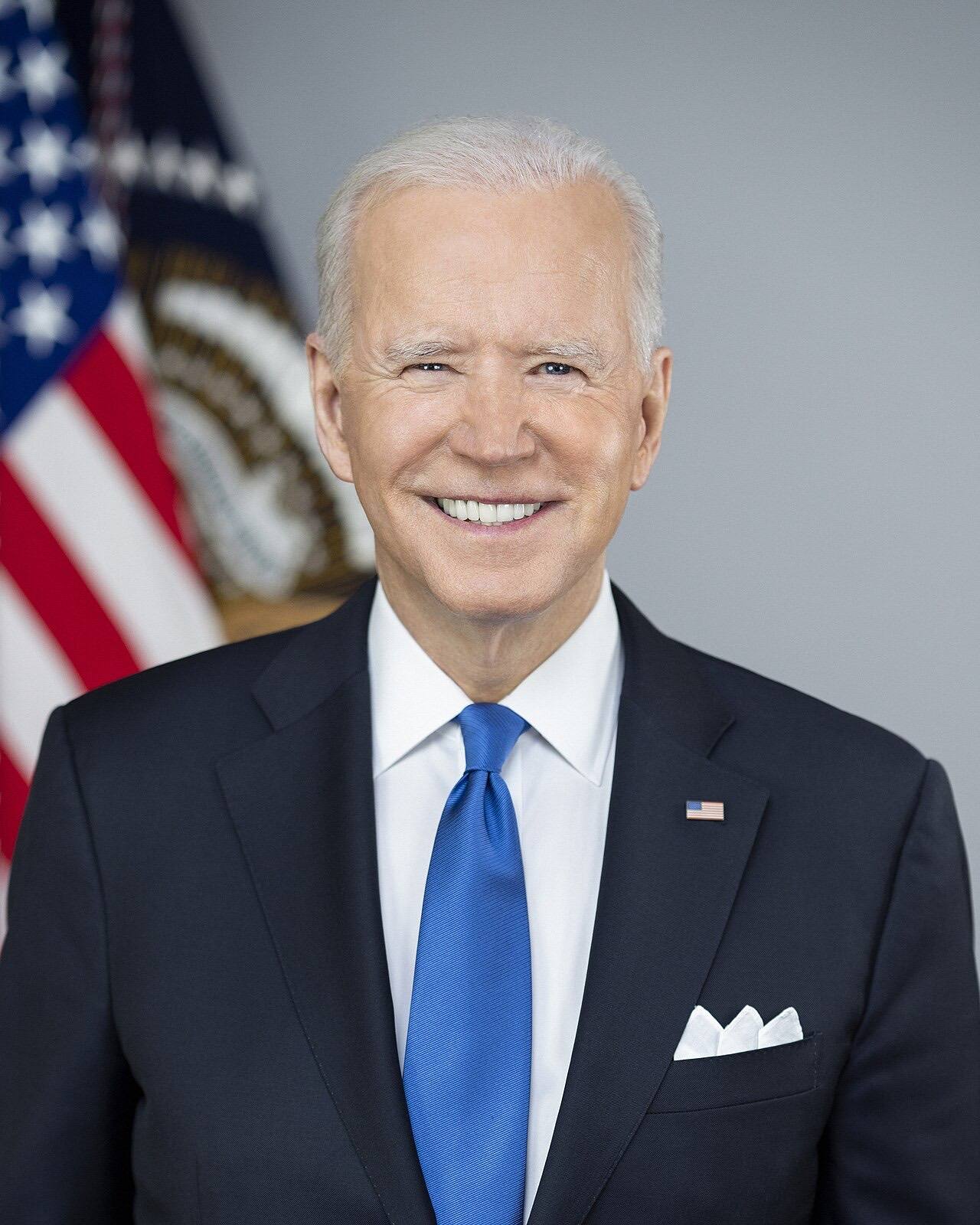
The Political Landscape
The current budget standoff highlights the extremes to which both the left and right have gone in an attempt to solidify their positions. On one hand, progressive lawmakers are advocating for sweeping social programs, claiming they are essential for the American people. On the other, conservative leaders are rallying against what they term "reckless spending," pointing to the national debt as a rationale for austerity measures. Yet, when we examine the record, the truth lies somewhere in between.
"Both sides are more interested in winning the argument than finding common ground for the good of the nation."
Claims Versus Reality
Progressives frequently tout the necessity of increased spending on health care, education, and infrastructure, painting a vivid picture of a country on the brink of collapse without such investments. However, when scrutinized, many of these claims lack robust backing in terms of the tangible outcomes achieved by previous spending. For example, while Medicare expansion is heralded as a victory, the efficiency of the program remains a contentious issue, with many questioning whether it truly meets the needs of its beneficiaries.
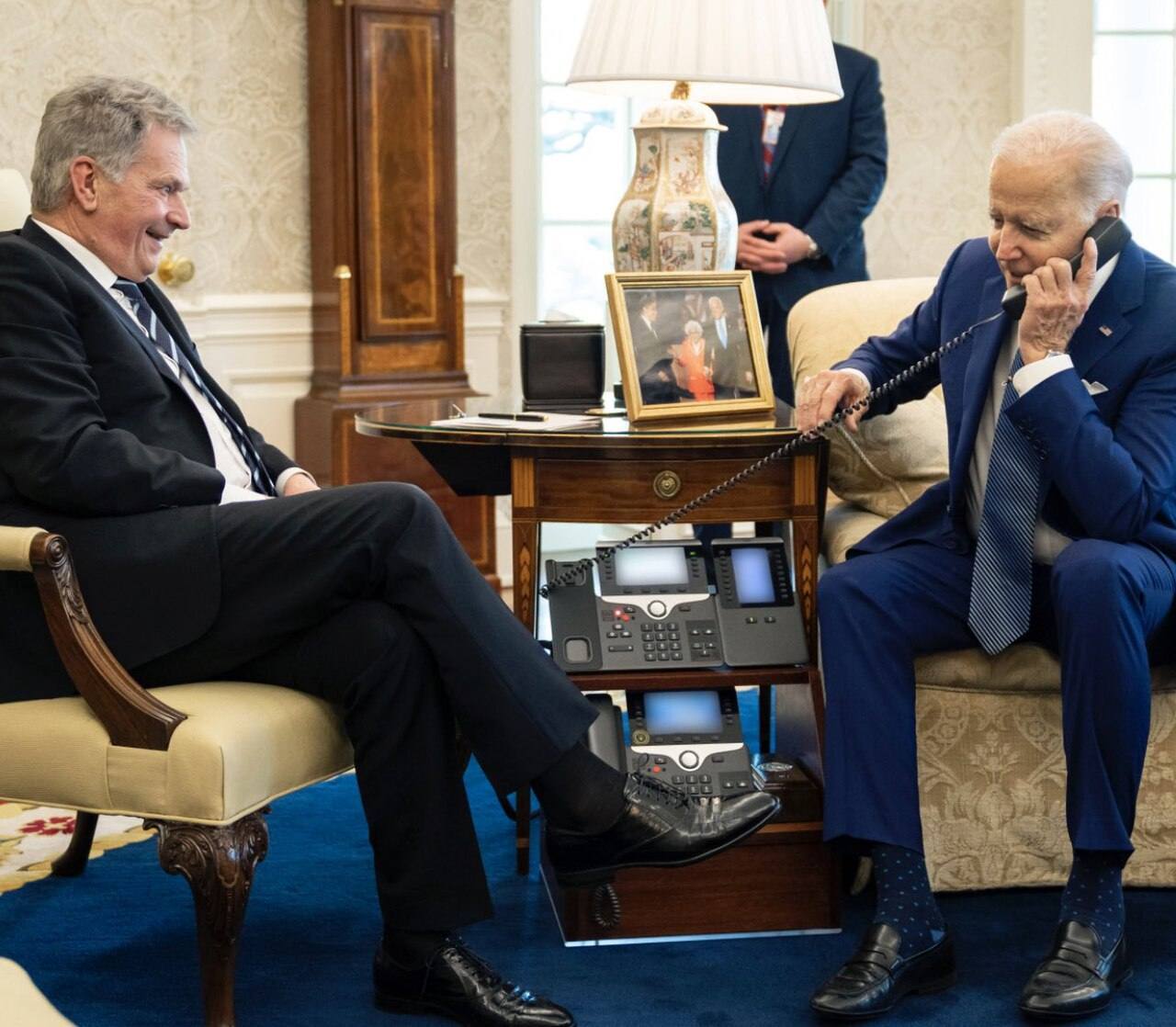
Conversely, conservative lawmakers argue that reigning in spending is paramount, often invoking the specter of fiscal irresponsibility to rally support. However, their record on spending does not always align with their rhetoric. Many of these same politicians supported significant expenditures during past administrations when it aligned with their interests. It raises the question: is the focus on spending truly about fiscal responsibility, or is it a convenient tool for political maneuvering?
The Impact on Citizens
This standoff does not exist in a vacuum; real lives are affected by the inability to reach a compromise. As lawmakers engage in their public posturing, ordinary Americans are left to navigate the uncertainty that ensues. Families are uncertain about their health care coverage, students are anxious about potential cuts to education funding, and business owners are wary of economic instability. The rhetoric often fails to acknowledge the human cost of political gamesmanship.
The Way Forward
What is desperately needed is a shift away from extreme positions on both sides. Compromise is not a dirty word; rather, it is the cornerstone of a functioning democracy. Lawmakers must recognize that their responsibility extends beyond their party’s demands - it encompasses the needs of the nation as a whole. Engaging in constructive dialogue can pave the way for a budget that reflects the realities of both fiscal responsibility and the needs of citizens.
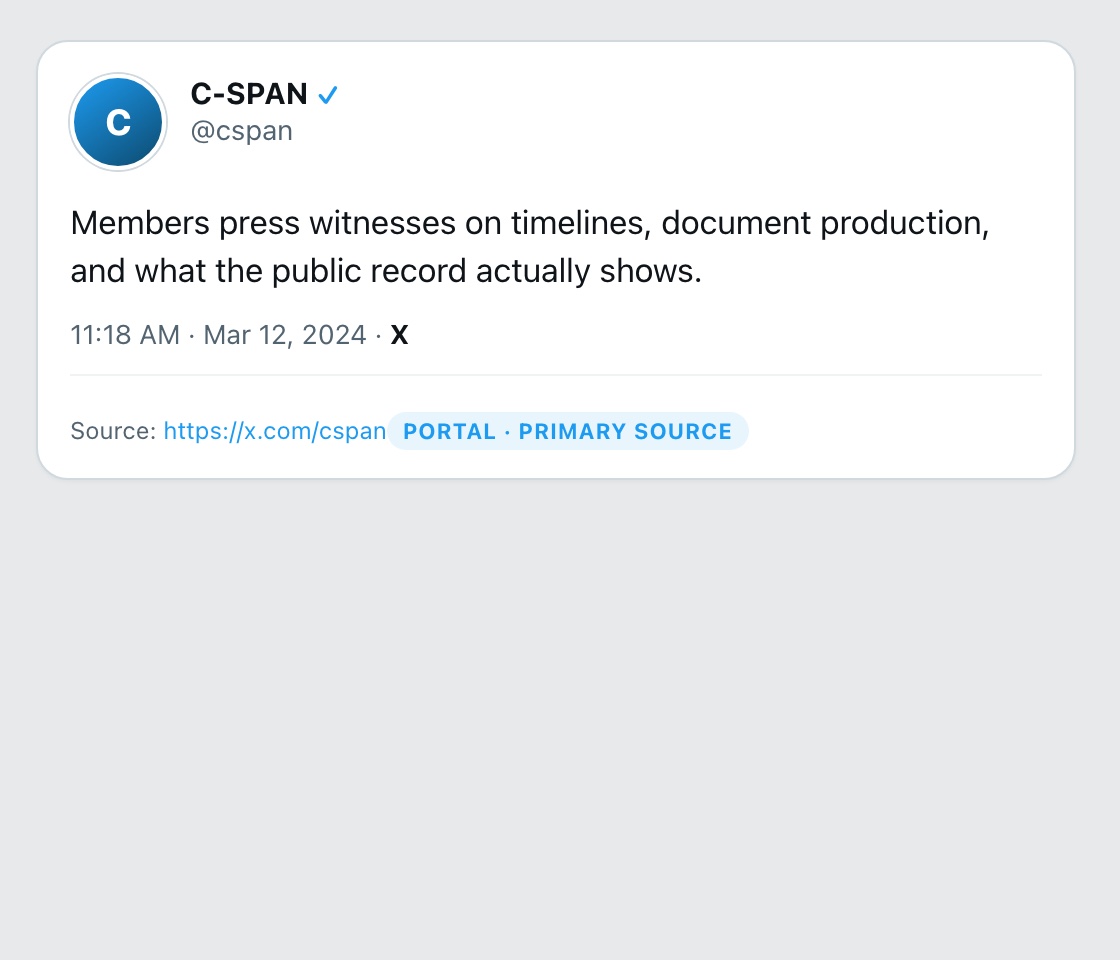
Moreover, transparency is vital. The public deserves to know how funds are allocated and the rationale behind spending decisions. A budget is not just a numbers game; it is a reflection of national priorities. When citizens feel informed, they are more likely to engage in the political process and hold their representatives accountable.
Conclusion
As the budget standoff continues, it is crucial to cut through the noise. Both sides must recognize the value of collaboration and the importance of grounding their claims in reality. The stakes are high, and the American public is watching. The path forward will require courage, compromise, and an unwavering commitment to the welfare of the nation.
✦ ✦ ✦