From the file. Written for the paper dated May 2023. Opened in the public stacks July 14, 2026.
As the specter of another government shutdown looms, America finds itself caught in a perilous game of brinkmanship, where political posturing often takes precedence over the needs of the nation. The fallout from such conflicts raises critical questions about the resilience of our institutions and their ability to safeguard democracy.
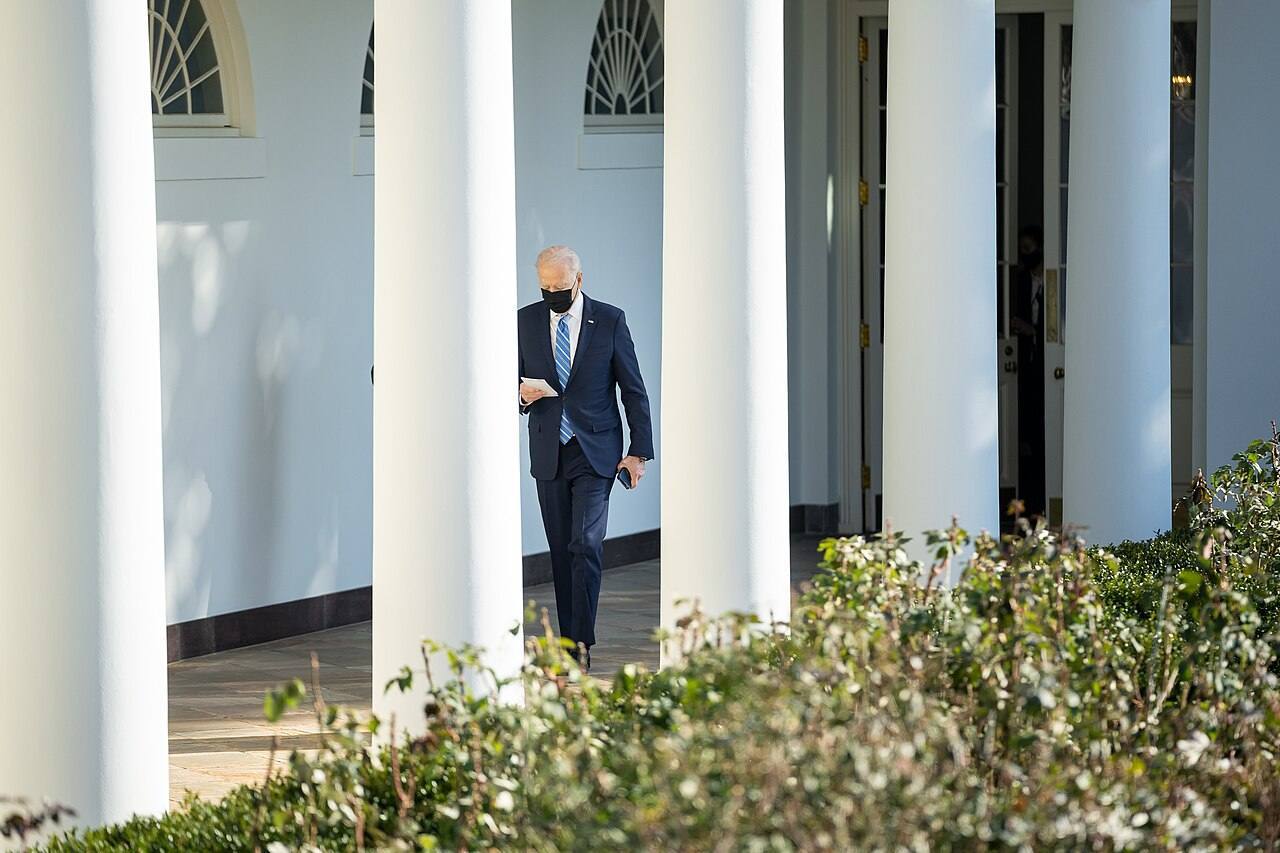
The Cycle of Crisis
In recent years, the cycle of government shutdowns has become a troubling hallmark of American politics. Each standoff typically begins with a clash between party leadership in Congress, often fueled by ideological divides that seem to grow deeper with each passing election cycle. With both parties increasingly entrenched in their positions, the public becomes the collateral damage of a system that seems to prioritize power over governance.

In the lead-up to a potential shutdown, the rhetoric escalates, with each side accusing the other of irresponsibility and failure to negotiate in good faith. Yet, both parties are complicit in a system that rewards such behavior. The public is left to wonder: when did governance become a game of chicken, and what does this mean for the institutions meant to serve them?

The Role of Institutions
Institutions such as Congress, the presidency, and even the judiciary are designed to withstand the turbulent waves of political change. However, during periods of intense partisanship, these institutions often become battlegrounds for ideological warfare rather than arenas for compromise. The result is a system that appears less like a democracy and more like a dysfunctional family, where disagreements fester and resolution remains perpetually out of reach.
Moreover, as political actors prioritize short-term wins over long-term stability, the very fabric of our democratic institutions is tested. The question must be asked: how can these institutions protect themselves and the public from the excesses of partisan brinkmanship? It requires a commitment to accountability and a willingness to engage in dialogue rather than discord.
The Public's Frustration
Public frustration with the ongoing cycle of shutdowns and brinkmanship is palpable. Citizens feel the pinch of uncertainty as essential services grind to a halt and government employees face unpaid leave. From veterans relying on benefits to families needing food assistance, the consequences of these political games are real and immediate.

Yet, this frustration is often channeled in unproductive ways. Some voters turn to extreme candidates, believing that radical solutions will break the cycle of dysfunction. Others become disenchanted with the entire political process, opting out of civic engagement altogether. This disengagement only exacerbates the problem, allowing the extremes on both ends of the political spectrum to dominate the conversation.
“When did governance become a game of chicken?”
Finding a Path Forward
To break the cycle of shutdown brinkmanship, a renewed commitment to bipartisanship is essential. This means encouraging leaders from both parties to engage in honest dialogue and seek common ground. While the challenges are significant, the stakes are even higher. The American public deserves a government that works for them, not one that operates as a continuous battleground.
Moreover, institutional reforms could help mitigate the effects of brinkmanship. Consider initiatives that promote transparency in negotiations, mandate regular bipartisan meetings, or even establish independent commissions to address contentious issues. These measures could help restore faith in the political process and demonstrate that compromise is not a sign of weakness but a hallmark of effective governance.
A Call for Civic Responsibility
In this moment of crisis, it is not just elected officials who bear the responsibility. Citizens must also engage actively and hold their representatives accountable. Civic responsibility extends beyond voting; it involves staying informed, participating in community discussions, and advocating for solutions that transcend partisan divides.
As the nation stands at the precipice of yet another shutdown, it is crucial to remember that democracy flourishes when citizens are involved and institutions are respected. Bridging the divide requires courage from both politicians and the public alike, as we strive to create a government that reflects the will and needs of the people rather than mere political ambition.
✦ ✦ ✦