From the file. Written for the paper dated May 2023. Opened in the public stacks July 14, 2026.
As the headlines fade and the fervor of civic engagement dwindles, we must confront a troubling reality: civic boredom threatens to undermine the democratic institutions we hold dear.
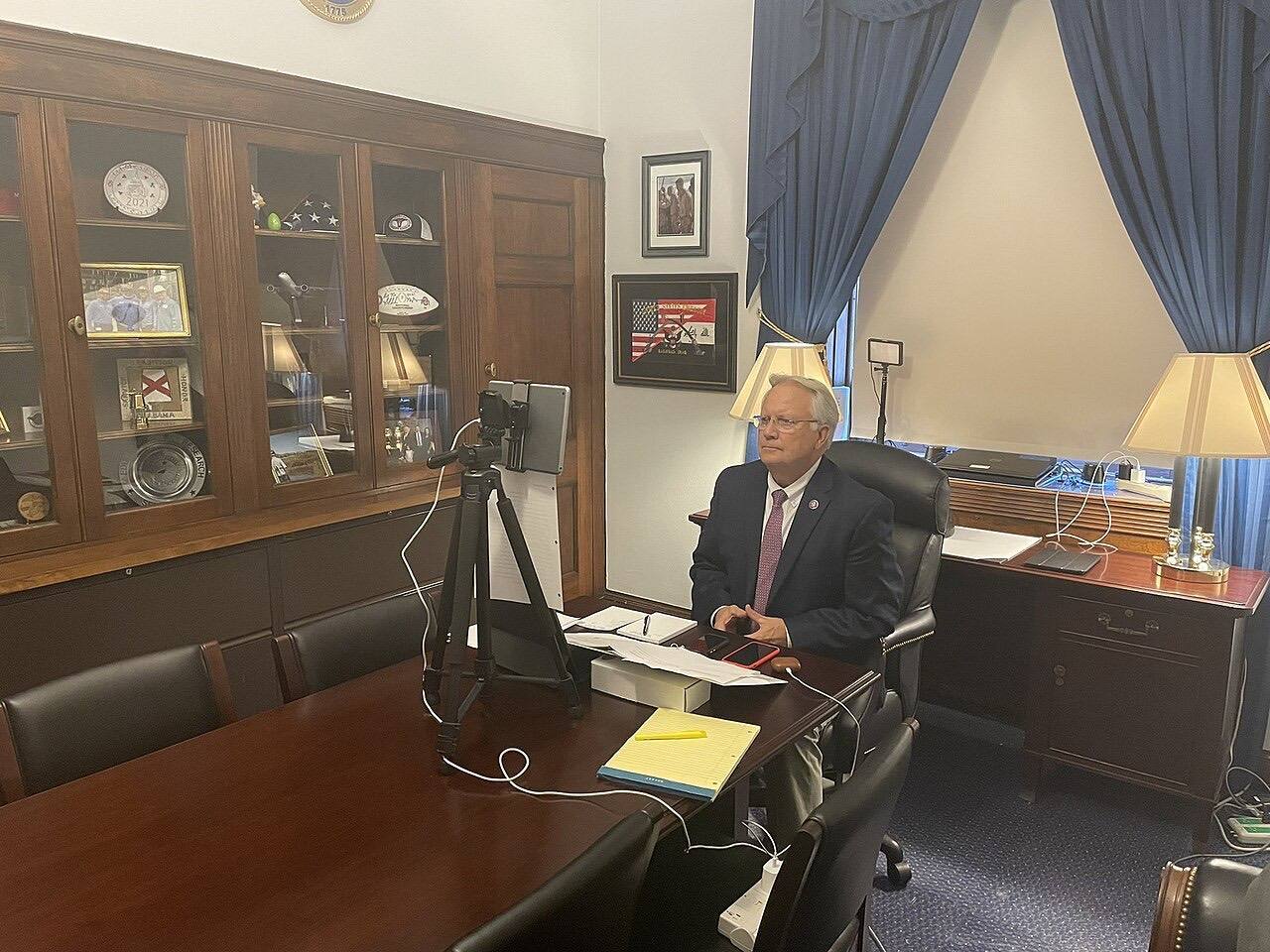
The Cycle of Engagement and Apathy
In recent months, we have witnessed a whirlwind of political events that captured the nation’s attention. Whether it was heated discussions around economic policy, environmental regulations, or social justice movements, the public was invigorated by the sheer energy of debate. Yet, as the dust settles and the urgency dissipates, many find themselves languishing in a state of civic boredom. This phenomenon is not merely a byproduct of fatigue; it is indicative of a deeper issue within our political landscape.

Civic boredom arises when citizens become disenchanted with the political process, often feeling that their voices are drowned out by the cacophony of partisanship. The left and the right both contribute to this disenchantment, albeit in different ways. On one hand, the left’s focus on identity politics can alienate those who may prioritize economic issues, while the right’s relentless culture wars can leave moderates feeling exhausted and seeking refuge from the noise.

Institutional Self-Preservation
Our institutions, meant to uphold democratic values, often act in self-preservation rather than serving the public interest. This is a crucial point that deserves scrutiny. Political leaders, regardless of their affiliation, frequently prioritize their re-election over genuine engagement with constituents. The result is a cycle of disengagement that perpetuates civic boredom.
Civic boredom arises when citizens become disenchanted with the political process, often feeling that their voices are drowned out by the cacophony of partisanship.
Take, for instance, the sheer volume of time and resources spent on campaign financing. Politicians are more inclined to cater to wealthy donors than to engage with the everyday concerns of their constituents. This disparity only fuels the belief that the system is rigged, leading many to throw their hands up in defeat. The left may argue that this is a symptom of systemic inequality, while the right might insist that government interference only exacerbates the problem. Both sides, however, miss the point: the disconnect between elected officials and the electorate is growing.
The Danger of Disengagement
As civic boredom takes root, the danger is not only apathy but also the rise of extremist views. When traditional political discourse fails to engage the average citizen, alternative narratives flourish. Extremist groups on both ends of the spectrum exploit this vacuum, capitalizing on the disillusionment that stems from a lack of civic engagement. The left may gravitate toward radical solutions that promise to upend the status quo, while the right may turn to conspiratorial thinking as a means of making sense of a complex world.

This is where the danger lies: a society that becomes increasingly polarized risks fracturing beyond repair. The loss of a shared narrative, one that can unite rather than divide, leaves citizens vulnerable to manipulation. It is vital that we address the factors contributing to civic boredom before it leads to further alienation and radicalization.
Reinvigorating Civic Engagement
To combat civic boredom, we must first recognize its existence and the role of institutions in perpetuating it. We need a concerted effort from both sides of the aisle to foster a culture of genuine dialogue and connection. This involves creating spaces for open discussion, where citizens can engage with political issues without the burden of partisan allegiance weighing them down.
Educational initiatives aimed at promoting civic literacy can also play a pivotal role in this reinvigoration. When citizens understand the mechanisms of their government and the importance of their participation, they are less likely to fall into the trap of disengagement. Furthermore, encouraging grassroots movements that focus on local issues can empower individuals and foster a sense of community ownership over the political process.
The Role of Media
The media, too, has a responsibility in this landscape. The sensationalism that often dominates news coverage can contribute to feelings of helplessness and disconnection. A shift toward more substantive reporting that highlights the stories of everyday citizens and the impact of policy decisions can help bridge the gap between the public and their representatives.
In conclusion, the challenge posed by civic boredom is one that requires immediate attention. By acknowledging the factors that contribute to disengagement and taking proactive steps to foster a more inclusive political environment, we can revitalize our democracy and ensure that our institutions serve the public interest rather than their own. The time to act is now.
✦ ✦ ✦