From the file. Written for the paper dated April 2023. Opened in the public stacks July 14, 2026.
As political turbulence continues to define the current administration, cabinet resignations have emerged as a focal point of controversy, highlighting the contrasting motivations and incentives on both sides of the aisle.
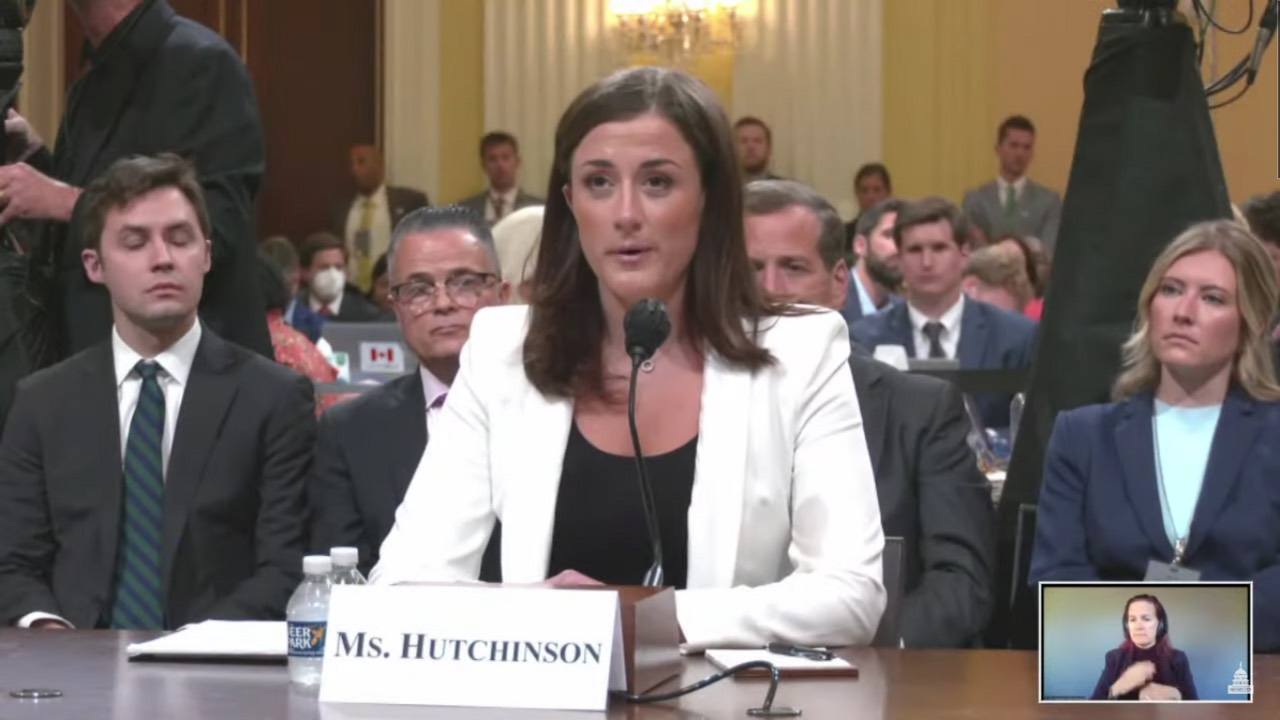
Resignations and the Political Landscape
The recent wave of cabinet resignations has sparked intense debate regarding the underlying motivations driving these departures. For the left, the narrative often centers around an administration struggling to maintain unity in the face of political opposition and public discontent. On the right, however, the focus shifts to claims of incompetence and a lack of vision, further fueling the partisan divide. This duality of interpretation underscores the complexities of governance in a polarized climate.

For many, resignations signify a failure of leadership. But what is often overlooked is the strategic calculus behind such decisions. In some instances, cabinet members may choose to step down to maintain their political capital, positioning themselves favorably for future endeavors. In other cases, resignations can serve as a tactical retreat, allowing the administration to recalibrate and present a renewed front to the public.
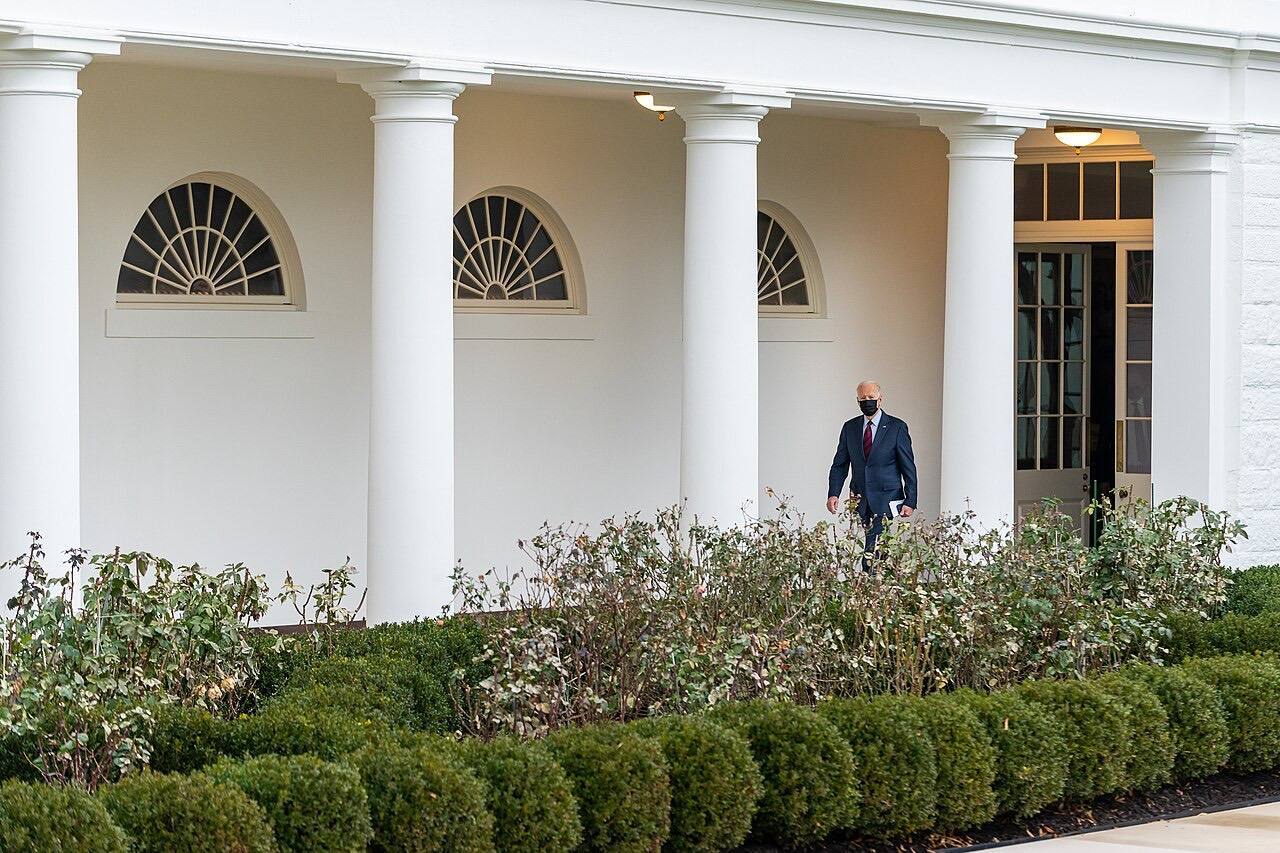
The Left's Perspective: Unity and Accountability
From a progressive viewpoint, the departures signal a need for accountability and a call for more cohesive leadership. Many on the left argue that cabinet members must be held responsible for their actions and decisions, particularly in areas such as climate policy and social justice. The recent resignations of key figures have led to calls for the administration to reassess its priorities and recommit to the principles that initially galvanized the base.

"We need leaders who are willing to stand up for progressive values and fight for the people." - A prominent progressive activist
However, this perspective can sometimes devolve into a blame game, with factions within the party pointing fingers rather than fostering collaboration. The desire for accountability, while valid, can lead to an atmosphere of distrust, further complicating the administration's ability to function effectively. This creates a cycle where resignations are seen as failures rather than opportunities for growth.
The Right's Take: Incompetence and Partisan Gains
Conversely, the right has seized upon these resignations as evidence of the administration's purported incompetence. Critics highlight the departures as a sign that the current leadership cannot fulfill its promises and is out of touch with the needs of the American people. The narrative of dysfunction serves not only as a rallying cry for Republican voters but also as an opportunity to capitalize on perceived weaknesses within the administration.

Yet, this perspective often overlooks the systemic challenges that have plagued both parties for decades. Blaming individual cabinet members for the broader failures of governance ignores the complexities of policymaking in a divided Congress and a fragmented electorate. In this sense, the right's critiques can sometimes veer into hyperbole, undermining the opportunity for constructive dialogue and genuine reform.
Shared Incentives and the Path Forward
Interestingly, both sides share a common incentive: the desire for political survival. For cabinet members, resignations can be a calculated move to preserve their reputations or to distance themselves from unpopular policies. For politicians, leveraging these resignations can serve to bolster their own narratives and consolidate their power within their respective parties.
As the political landscape continues to evolve, there is a crucial need for both sides to recognize the importance of collaboration and compromise. The constant cycle of blame and resignation only serves to deepen the divide, making it increasingly difficult for the government to address the pressing issues facing the nation.
Conclusion: Moving Beyond Resignations
The resignations of cabinet members are more than just political theater; they are a reflection of the broader challenges facing American governance. As both sides of the aisle grapple with their own narratives and motivations, it is essential to foster an environment of collaboration rather than division. Only through mutual understanding and a commitment to accountability can the nation hope to move forward and address the myriad issues at hand.
✦ ✦ ✦