From the file. Written for the paper dated March 2023. Opened in the public stacks July 14, 2026.
In the cacophony of headlines that dominate today's media landscape, the middle seat method offers a refreshing perspective on our polarized discourse, illuminating the nuances that often get overshadowed.
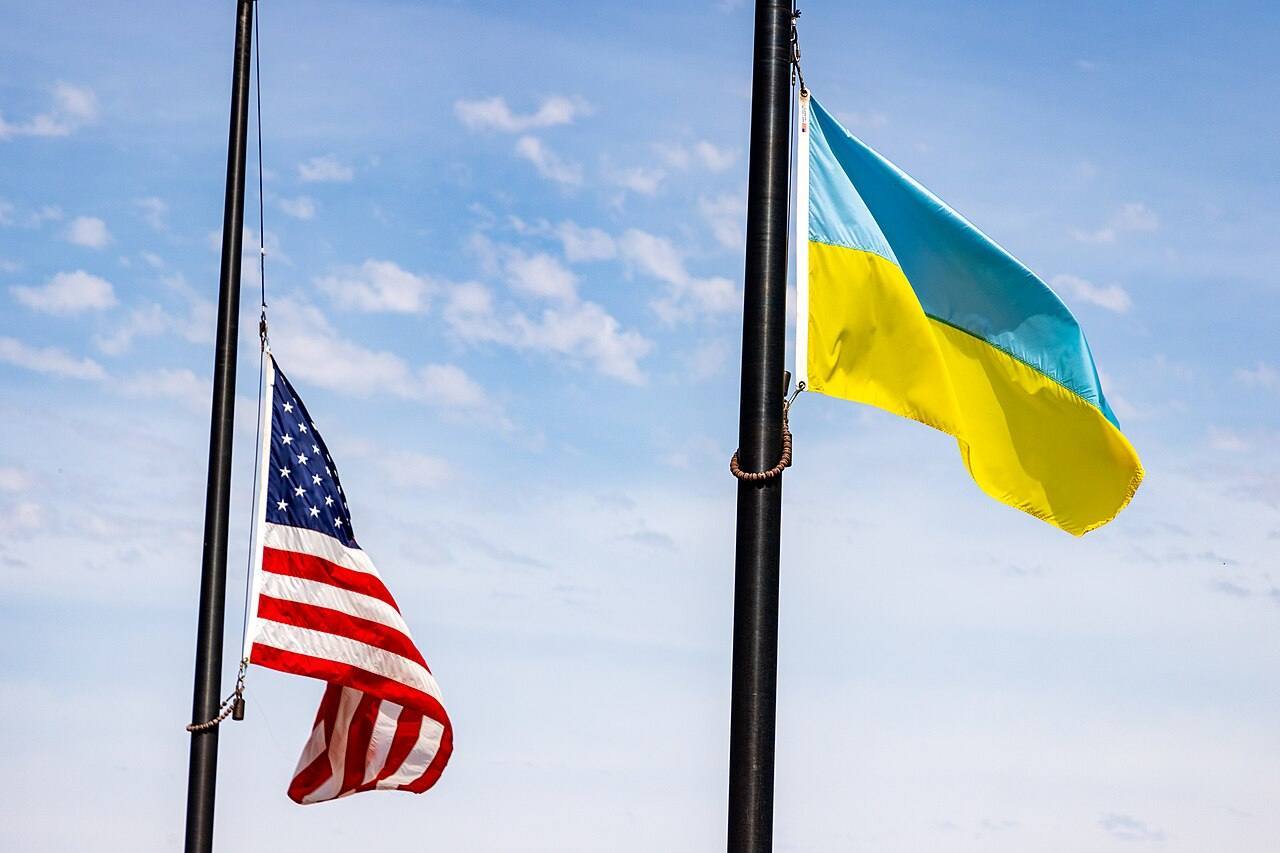
The Middle Seat Method Explained
The middle seat method is a political communication strategy that encourages individuals to occupy a position between the extremes of the left and right. This approach allows for a more balanced dialogue, striving to bridge the divides that characterize contemporary discussions. However, as we navigate this tumultuous terrain, it's essential to understand what gets left out of the briefings that shape our public discourse.
Left and Right: The Extremes
In recent months, we've seen a dramatic rise in the polarization of political ideologies. On one side, the left has adopted a fervent approach to social justice, often driving conversations about equity and inclusivity to a fever pitch. While these ideals are essential for progress, the excesses can stifle dialogue, dismissing the valid concerns of those who may not fully align with their viewpoints.

On the other hand, the right has increasingly embraced populism, tapping into a vein of discontent that resonates with many Americans. Yet, this has led to a tendency to oversimplify complex issues, framing them as battles between good and evil. This can alienate potential allies who may have nuanced views that don't fit neatly into the binary narrative.

The Danger of Missing the Middle Ground
As both sides dig in their heels, the middle ground becomes a wasteland, neglected and often vilified. The middle seat method suggests that by moving away from extremes, we can foster a more productive dialogue. However, this requires acknowledging the complexities of issues rather than reducing them to soundbites that dominate the news cycle.
"In the race to sensationalize, we risk overlooking the subtleties that define our collective experience."
The media plays a significant role in this dynamic. In the pursuit of clicks and views, outlets often opt for sensationalism over substance, prioritizing stories that reinforce existing narratives. This results in a landscape where critical voices advocating for moderation and understanding are drowned out by the din of outrage and hyperbole.

What Gets Left Out?
In our quest for clarity, we must recognize the nuances and complexities that get left out in the middle seat method. For instance, when discussing economic policies, the left may overlook the importance of fiscal responsibility, while the right might ignore the necessity of addressing income inequality. This selective attention limits our ability to craft comprehensive solutions that address the root causes of societal issues.
Additionally, the emotional toll of political discourse is often neglected. Individuals caught in the crossfire of extreme ideologies may experience disillusionment, frustration, and even apathy. The lack of space for these emotions in public conversations can create a disconnect between policymakers and the populace, further exacerbating feelings of alienation.
Bringing Back the Dialogue
To reclaim the middle seat, we must first acknowledge the importance of listening. This means engaging with those who hold differing perspectives, striving to understand their concerns, and recognizing the legitimacy of their experiences. Only then can we begin to craft solutions that resonate with a broader audience.
Moreover, it is crucial for media outlets to challenge themselves to provide comprehensive coverage that embraces complexity rather than shying away from it. This could mean featuring voices from both sides of the aisle, highlighting common ground, and fostering a sense of solidarity in our shared humanity. The middle seat method is not about diluting convictions but rather about enriching our understanding of the issues at hand.
Conclusion: A Call to Action
As we move further into 2023, the middle seat method serves as a crucial reminder of the need for moderation and understanding in an increasingly polarized world. By recognizing the complexities that get left out of our discussions, we can begin to foster a more inclusive, informed, and compassionate dialogue. It is time to reclaim the middle ground and ensure that all voices are heard in the ongoing conversation about our collective future.
✦ ✦ ✦