From the file. Written for the paper dated February 2023. Opened in the public stacks July 14, 2026.
As debates over science education intensify, it is crucial to examine the data behind the headlines. While advocates on both sides of the aisle have their own interpretations, the actual numbers tell a more nuanced story.
Understanding the Landscape of Science Education
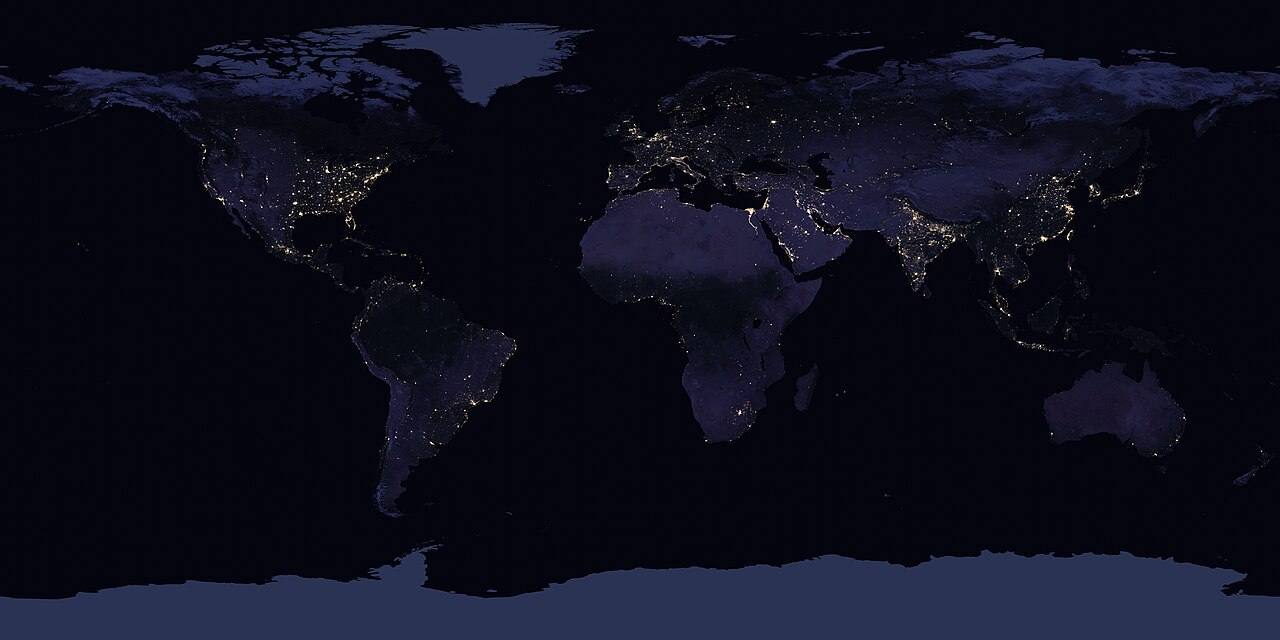
In recent years, science education has become a contentious battleground. On one side, proponents of a more traditional curriculum argue for a focus on established scientific principles, while on the other, progressive educators advocate for a more inclusive approach that takes into account social justice and environmental issues. Both sides claim to champion the future of our children, yet the data reveals a complex and often contradictory picture.

According to the National Assessment of Educational Progress (NAEP), the most recent data shows that only about 22 percent of eighth-grade students are proficient in science. This statistic is alarming and serves as a wake-up call for educators and policymakers alike. However, the reasons behind this decline are multifaceted and cannot be pinned solely on curriculum choices.
The Left's Emphasis on Inclusivity
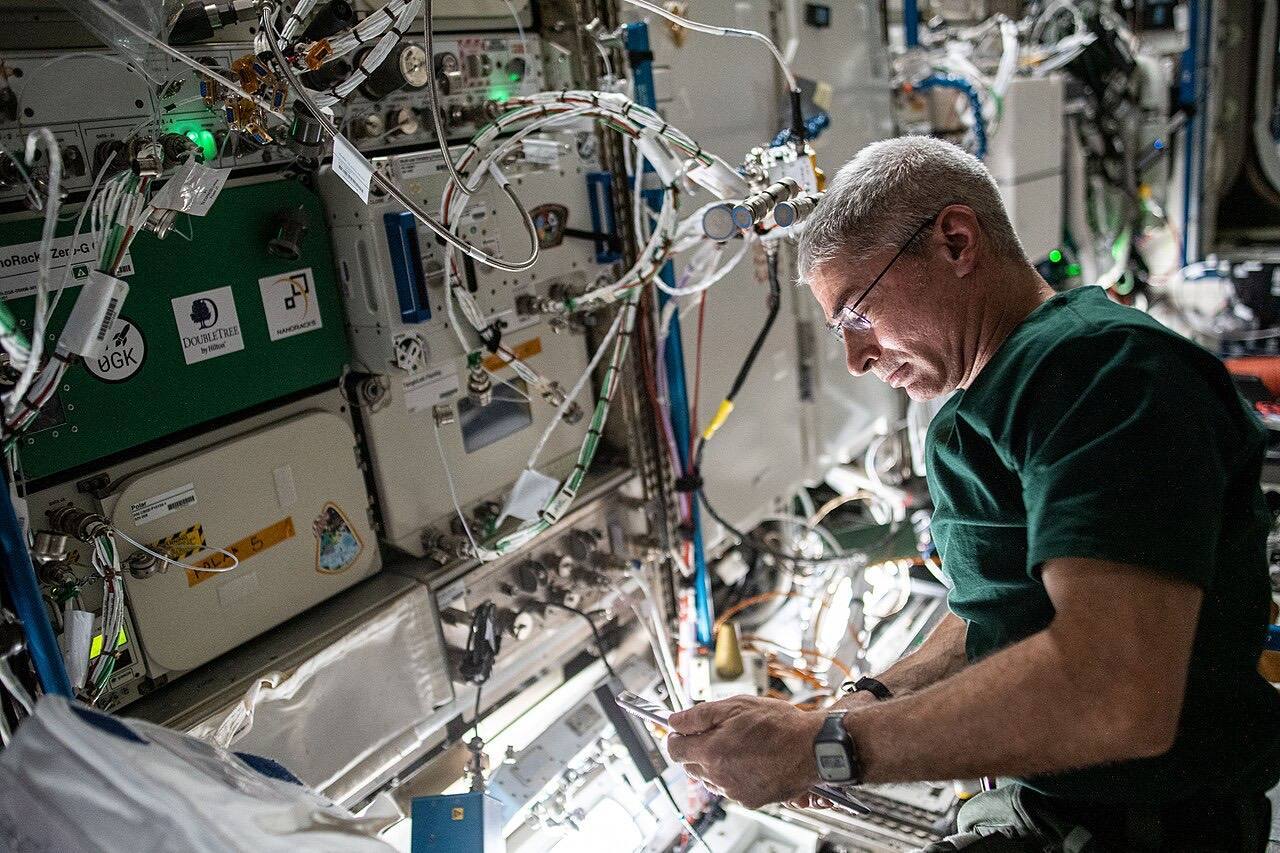
Progressive educators argue that science education should include diverse perspectives and address broader societal issues. They advocate for curricula that integrate concepts of equity and environmental justice. However, as laudable as these goals may be, there are concerns that the focus on inclusivity can sometimes overshadow core scientific principles. Critics argue that watering down the curriculum in an effort to make science more accessible may ultimately undermine students' foundational understanding of the subject.

"While the intent is admirable, we must not forget that science is built on established facts and methodologies that should not be compromised."
This push for inclusivity raises the question: Are we sacrificing rigor for the sake of representation? The balance between teaching essential scientific concepts and promoting social awareness is delicate, and the current landscape appears to be leaning too heavily towards the latter.
The Right's Focus on Traditionalism
On the flip side, traditionalists argue for returning to proven educational methods that prioritize factual knowledge over social considerations. They assert that a strong emphasis on established scientific principles will better prepare students for future academic pursuits and careers in STEM fields. However, this viewpoint can also lead to an inflexible approach that disregards the importance of engaging students with real-world issues that science can address.
"Science is not just about facts; it's also about understanding the world we live in and the challenges we face."
This rigid adherence to tradition can alienate students who may feel disconnected from a curriculum that does not reflect their experiences or concerns. In an increasingly diverse society, the need for science education to resonate with students is more pressing than ever. The challenge lies in finding a middle ground that respects both scientific integrity and the diverse realities of students' lives.
The Role of Policy and Funding
Education policies play a significant role in shaping science curricula. Unfortunately, inconsistencies across state lines lead to disparities in educational quality. Some states invest heavily in STEM programs, while others struggle to provide basic resources for science education. This inequity exacerbates the challenges of improving overall proficiency in science.
Moreover, funding for science education often prioritizes flashy new programs or technologies rather than investing in teacher training and classroom resources. As a result, teachers may feel ill-equipped to tackle the complex issues that modern science education demands, leading to disengaged students and declining proficiency rates.
A Path Forward
To address the pressing issues in science education, a collaborative approach is essential. Educators, policymakers, and communities must come together to create a curriculum that balances scientific rigor with inclusivity. This means integrating critical thinking and problem-solving skills alongside foundational scientific knowledge, all while ensuring that diverse perspectives are represented.
Ultimately, the goal should be to foster a generation of scientifically literate individuals who can navigate the complexities of the modern world. By acknowledging the strengths and weaknesses of both left and right ideologies, we can work towards a more balanced and effective science education system.
✦ ✦ ✦