From the file. Written for the paper dated February 2023. Opened in the public stacks July 14, 2026.
As the 2024 election cycle gears up, the primary calendar is once again at the forefront of debate among political analysts, candidates, and voters alike. With an eye on what the numbers actually reveal, The Nation examines the implications of the primary schedule shifts and the potential impact on voter turnout.
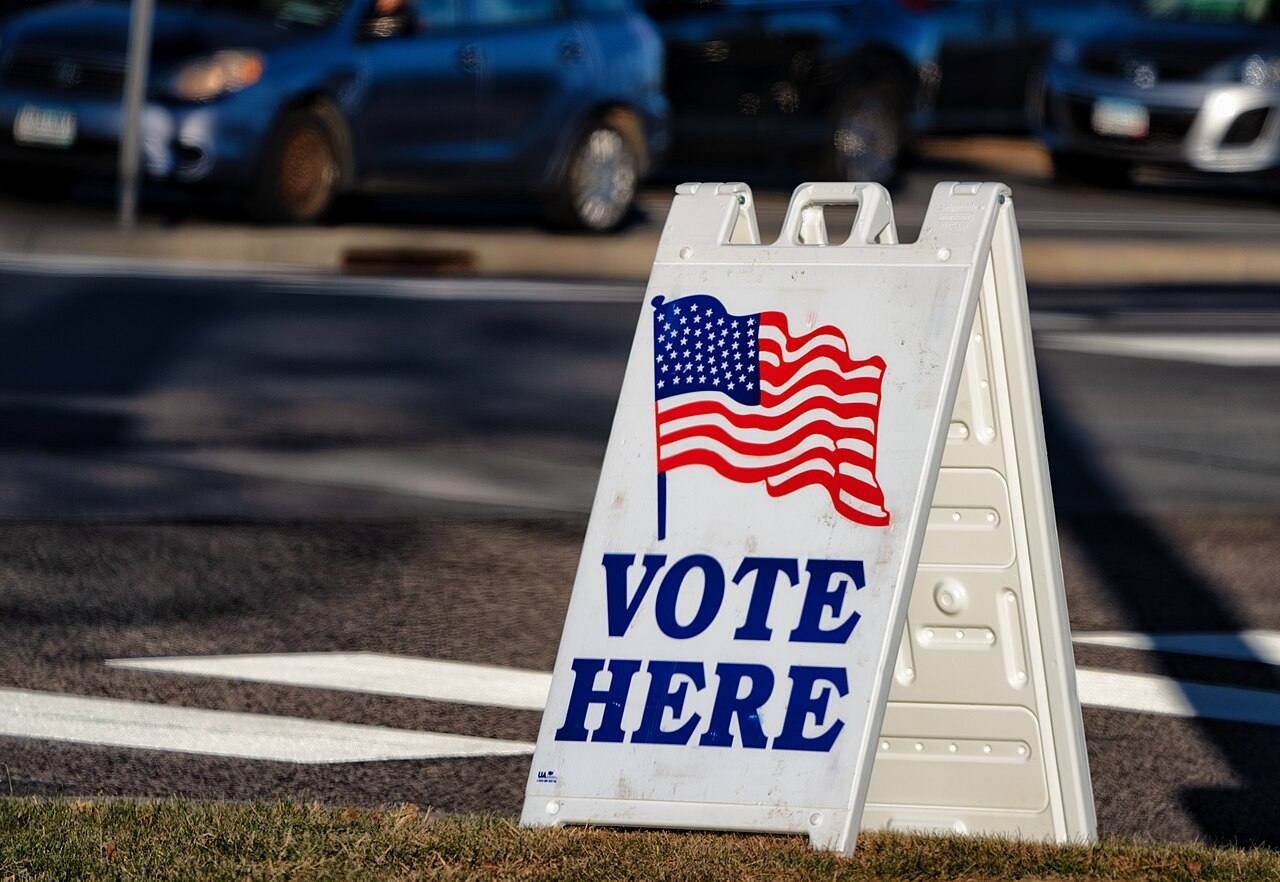
The Changing Landscape of the Primaries
The primary calendar has long been a contentious issue in American politics. Each election cycle brings with it a renewed focus on the states that hold the earliest primaries and caucuses, alongside a growing concern about the influence these states have on the selection of party nominees. In 2023, as we look forward to the primaries, it is crucial to dissect the numbers behind the calendar shifts and understand their potential consequences.
This year, the Democratic National Committee (DNC) has made significant changes to the traditional primary calendar. South Carolina has been elevated to the first state to vote, followed by New Hampshire and Nevada. This shift aims to diversify the early voting states and provide a more representative voice for the electorate. However, critics argue that this could lead to a disconnect with voters in states that have historically had a strong voice in the primary process.
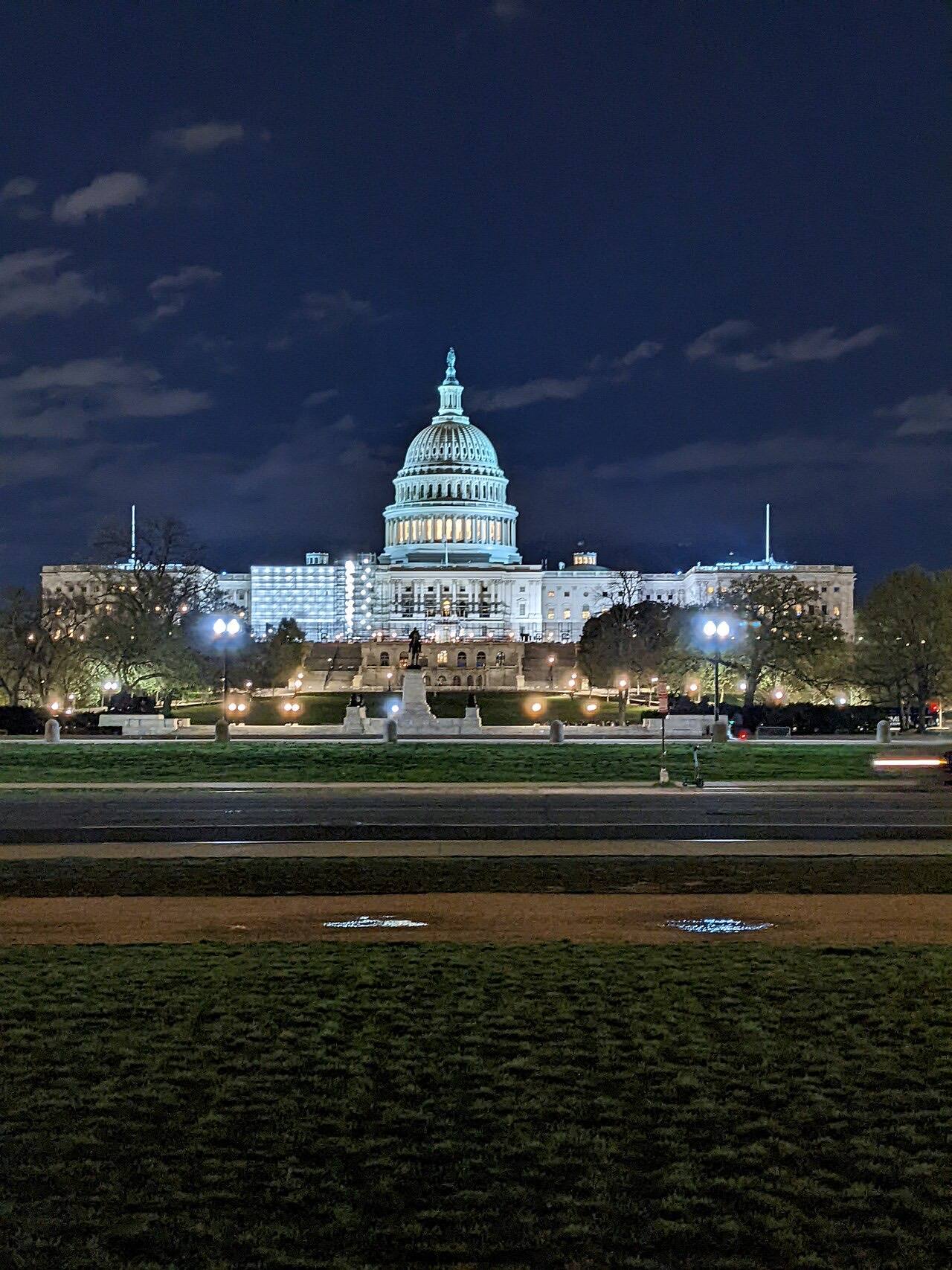
"The primary calendar is a reflection of the party’s priorities, and this year, we see a concerted effort to amplify diverse voices." - Political Analyst
What the Numbers Reveal
Looking at the data, we find that early primary states often have a disproportionate influence on the eventual nominee. Historical trends show that candidates who perform well in Iowa and New Hampshire are more likely to receive increased media attention and financial backing, which can snowball into greater success in later states. The question remains: does this truly represent the will of the party base?
Voter turnout is a significant metric to consider when evaluating the effectiveness of any primary calendar. In 2020, turnout in early primary states was notably higher than in subsequent contests, suggesting that candidates who can capture the imagination of voters early on tend to dominate the narrative. However, this advantage may not accurately reflect broader party sentiment, as the demographics of early voting states differ vastly from those in larger, more diverse states.
Left and Right: A Divided Response
The debate surrounding the primary calendar has incited reactions from both sides of the political spectrum. On the left, progressive voices have lauded the DNC's decision to prioritize diversity in early voting states, seeing it as a step towards a more inclusive process. However, this enthusiasm is tempered by concerns that the voices of more moderate voters may be overshadowed in the scramble for liberal support.
On the right, Republicans remain skeptical of any changes made by the DNC. Many view this shift as an attempt to manipulate the primary process to favor certain candidates over others. This perspective, however, often ignores the fact that the Republican National Committee (RNC) has its own set of complexities regarding the primary calendar, with states like Iowa and New Hampshire continuing to hold significant sway.
"The changes in the primary calendar are just another example of how the establishment seeks to maintain control over the nomination process." - Conservative Commentator
Consequences for the Candidates
For candidates, the new primary calendar presents both opportunities and challenges. Those who can effectively engage with diverse voter bases early on may find themselves with a significant advantage. Yet, for candidates who traditionally rely on the support of voters in later primary states, the changes could pose a daunting obstacle.
Moreover, the financial implications are considerable. Candidates who gain traction early in the cycle may find it easier to secure donations and endorsements, while those who falter in the initial contests might struggle to stay afloat. This can lead to a spiral where only a handful of candidates remain viable, further narrowing the options for voters as the primaries progress.
A Call for Reform
As the conversation surrounding the primary calendar continues, many are calling for a more holistic approach to the nomination process. Proposals range from a national primary day to more regional voting blocs to better capture the diversity of the American electorate. Such reforms could help to mitigate the influence of early primary states and ensure that the selection of party nominees reflects a broader consensus.
✦ ✦ ✦