From the file. Written for the paper dated January 2023. Opened in the public stacks July 14, 2026.
As the headlines fade and the initial fervor of political debates subsides, the pressing need for oversight becomes increasingly clear. In a time when certainty is marketed as a commodity, we must scrutinize the fallout of both left and right excesses.

The Illusion of Certainty
In our current political landscape, certainty has become a powerful, if misleading, currency. Extremes on both the left and right amplify narratives that promise clear answers and easy solutions - vaunting simplified ideologies over complex realities. The allure of these certainties often blinds citizens and lawmakers alike to the messy, nuanced truths that demand our attention.
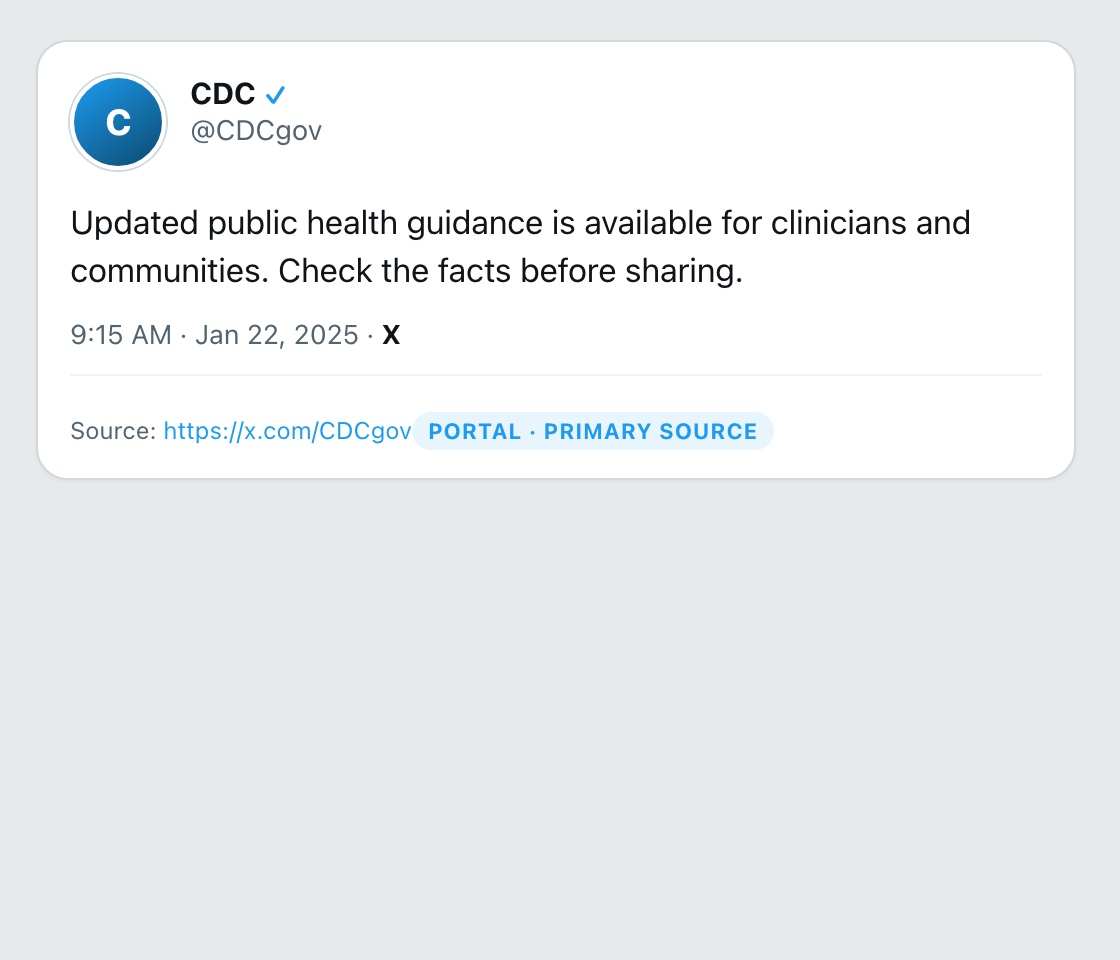
On one side, we see progressive movements advocating for sweeping reforms, claiming that the solutions to societal issues are straightforward. Whether it’s climate change, healthcare, or education, the narrative often suggests that adopting a certain policy will miraculously resolve deep-rooted problems. This oversimplification can lead to rushed legislation that lacks the necessary oversight and consideration for potential consequences.

Conversely, the right often embraces a starkly different certainty, touting a return to traditional values or deregulation as the fix for all that ails society. While some of these ideas may resonate with a segment of the population, they often ignore the complexities of modern challenges. The push for deregulation can lead to harmful repercussions, as seen in various sectors from finance to environmental protection.
The Case for Oversight
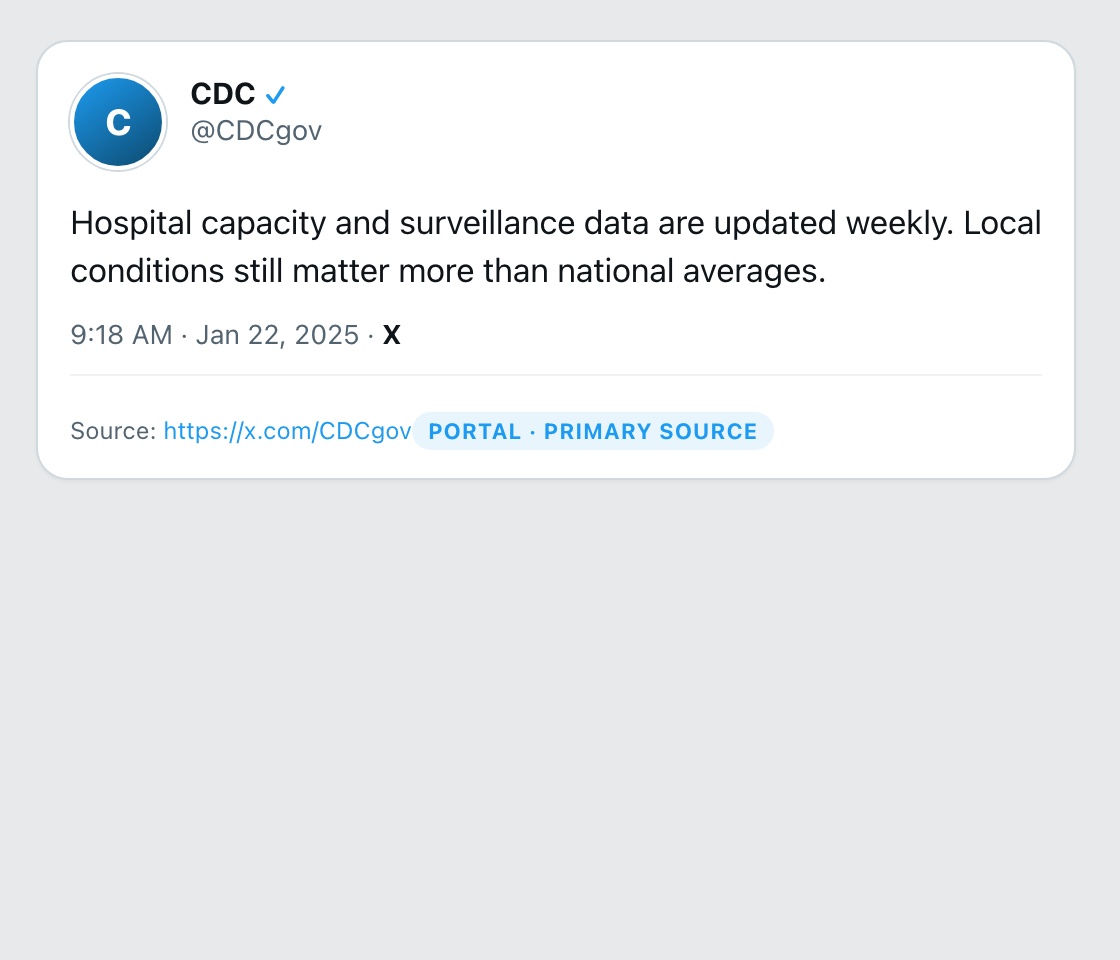
So what does effective oversight require in this environment of certainty? First and foremost, it necessitates a commitment to critical thinking. Legislators and citizens alike must resist the urge to accept easy answers and instead engage in thoughtful dialogue about policy implications. Oversight is not just about monitoring compliance; it's about understanding the broader impact of decisions and ensuring accountability.
Furthermore, oversight requires transparency. In an era where misinformation is rampant, it is critical for government bodies to operate openly and allow for public scrutiny. This includes clear communication about the intentions behind policy decisions and the data that supports them. Both sides of the political spectrum must embrace transparency to rebuild trust with the public.
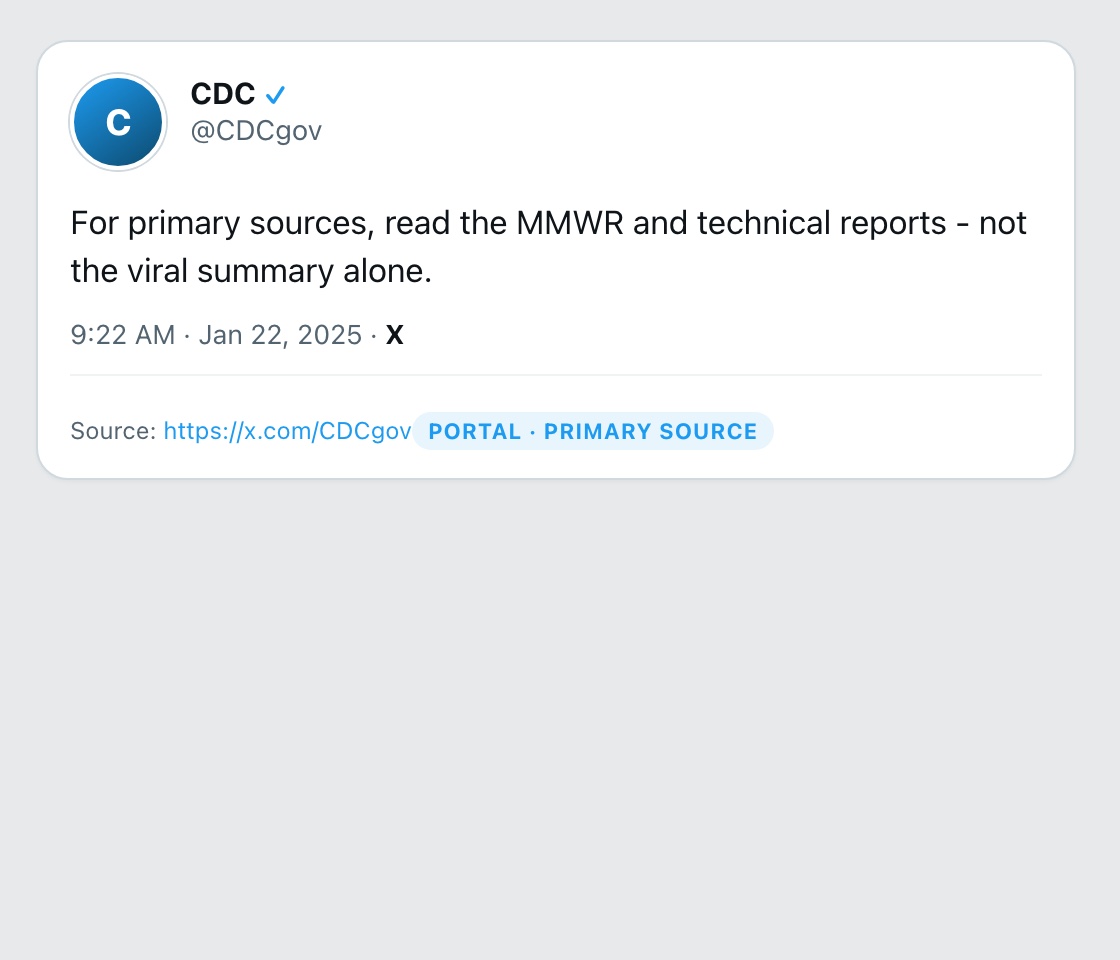
"In an era where misinformation is rampant, it is critical for government bodies to operate openly and allow for public scrutiny."
The Risks of Partisan Oversight
However, oversight itself can fall prey to partisan politics. When either side uses oversight as a political weapon, the process suffers. If oversight bodies become extensions of partisan agendas, the very purpose of oversight - ensuring accountability and fostering trust - becomes compromised. We are witnessing this phenomenon increasingly, with investigations being launched less out of a genuine pursuit of truth and more as an effort to score political points.
Both extremes risk undermining the integrity of oversight by failing to collaborate across the aisle. This lack of bipartisan cooperation can result in a vacuum where accountability is diminished, and policies are pushed through without the necessary checks and balances. A truly effective oversight mechanism must transcend political divides and focus on the common good.
Engaging the Public
Another critical aspect of oversight is public engagement. Citizens must be empowered to hold their representatives accountable. This goes beyond voting; it means staying informed, participating in community discussions, and demanding transparency from elected officials. When the public is engaged, it creates a culture of accountability that is essential for effective oversight.
Moreover, media outlets have a crucial role to play in this equation. By providing comprehensive reporting that goes beyond headlines, the press can help foster informed public discourse. Journalists must be diligent in their pursuit of truth, challenging narratives from both sides and providing context to policy discussions. In a time when sensationalism often trumps substance, responsible journalism is more important than ever.
Conclusion
The current political climate, characterized by a hunger for certainty and quick solutions, poses significant challenges to the principle of oversight. As we navigate this landscape, it is imperative that we prioritize critical thinking, transparency, and public engagement. Both sides of the political spectrum must recognize the importance of collaboration in fostering accountability and trust. Only then can we move towards a more effective oversight framework that serves the interests of all citizens.
✦ ✦ ✦