From the file. Written for the paper dated January 2023. Opened in the public stacks July 14, 2026.
As the headlines fade from the 24-hour news cycle, public clinics across the nation are grappling with an unsettling truth: the demand for their services is surging even as the public's attention shifts elsewhere. In a climate rife with uncertainty, these clinics are becoming a vital lifeline for many, but they are also caught in the crosshairs of political rhetoric and budgetary constraints.
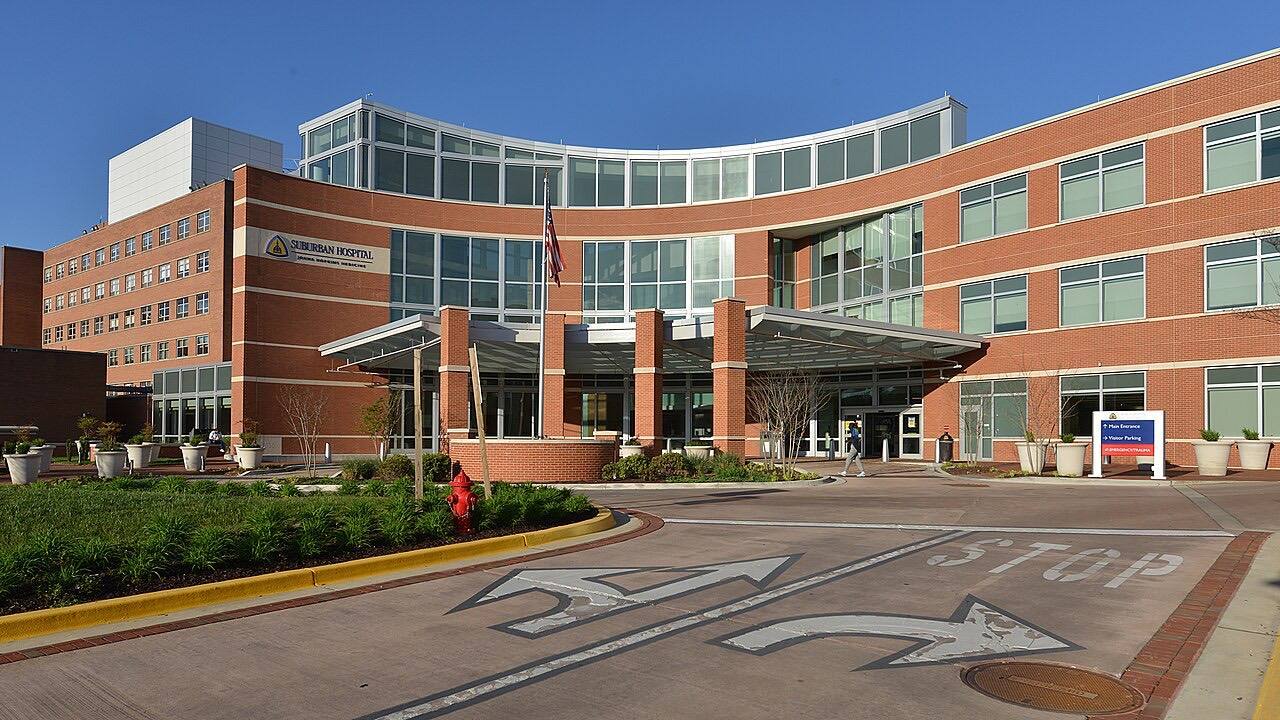
The Growing Demand for Public Health Services
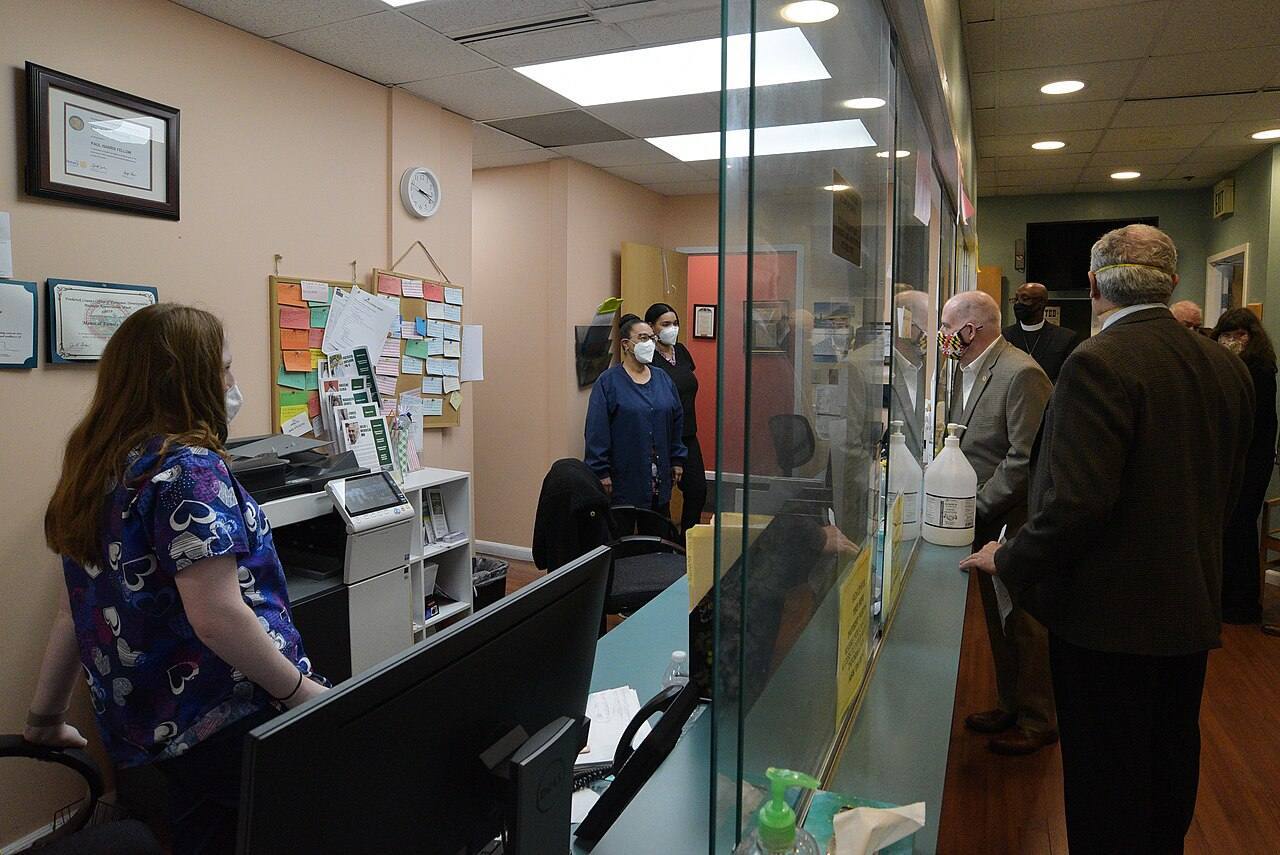
In recent months, public clinics have seen an increase in foot traffic. Many individuals are seeking essential health services, including vaccinations, routine check-ups, and mental health support. This upsurge, however, is not merely a seasonal trend; it reflects a deeper societal shift as more people recognize the importance of accessible healthcare amidst ongoing economic and health crises.
Yet, as they strive to meet this demand, public clinics are facing significant challenges. Funding has not kept pace with the increasing need for services, leaving many clinics to stretch their limited resources thin. The debate over healthcare funding has become increasingly polarized, with both sides of the political aisle offering their own narratives - each often failing to address the real needs on the ground.
The Political Landscape
On one side, progressives argue for expanded access to free and low-cost healthcare, championing the idea that everyone should have the right to quality medical treatment. They often call for increased funding for public clinics, highlighting stories of individuals who have benefited from their services. However, their push for sweeping reforms sometimes overlooks the complexities of implementing these changes, which can lead to disillusionment among their supporters when results are not immediate.
Conversely, conservative voices frequently advocate for a more privatized approach, suggesting that market forces can drive efficiency and innovation in healthcare. While there are valid points within this argument, it often dismisses the critical role that public clinics play in underserved communities. The notion that healthcare should be a for-profit venture can alienate those who are already struggling to access basic services.
"In a climate rife with uncertainty, these clinics are becoming a vital lifeline for many."
Why Certainty is Selling Briskly
In this charged environment, certainty has become a commodity. Public clinics are attempting to build trust within their communities by providing consistent, reliable services. Patients know they can count on these facilities for their healthcare needs, even as national policy debates swirl around them. This reliability is particularly appealing during times of crisis, such as the recent pandemic, when people are searching for stability in their lives.
Moreover, there is a growing recognition that health is interconnected with social and economic factors. Many public clinics are expanding their services to include social support, nutrition counseling, and mental health resources. This holistic approach is resonating with patients who are looking for more than just a prescription - they want comprehensive care that addresses all aspects of their well-being.
The Impact of Community Engagement
Community engagement has also played a significant role in the success of public clinics. Many facilities have sought input from the communities they serve, tailoring services to meet specific needs. This has fostered a sense of ownership and investment among local residents, resulting in stronger ties and better health outcomes.
However, while community involvement can enhance the effectiveness of public clinics, it is not a cure-all. The political climate continues to cast a long shadow over funding and resources. Public clinics are not immune to the budget cuts and policy shifts that occur with changing administrations. The lack of a stable funding stream often leads to uncertainty, forcing clinics to make difficult decisions about which services to cut or scale back.
Looking Ahead
As we move further into 2023, the future of public clinics hangs in the balance. Their ability to adapt to the evolving needs of their communities while navigating the tumultuous political landscape will be crucial. For patients seeking certainty in an uncertain world, these clinics represent more than just a healthcare provider - they embody a promise of care and support that many individuals desperately need.
It is essential for both sides of the political spectrum to recognize the importance of public clinics and to work collaboratively to ensure they have the resources necessary to thrive. This is not just a matter of healthcare; it is a matter of community resilience and well-being. As long as the headlines continue to shift, the attention on public clinics must not fade.
✦ ✦ ✦