From the file. Written for the paper dated January 2023. Opened in the public stacks July 14, 2026.
As the political landscape heats up in an election year, the primary calendar is drawing more than its usual share of scrutiny. With uncertainty at the forefront of voters’ minds, the stakes have never been higher for candidates looking to secure their party's nomination.
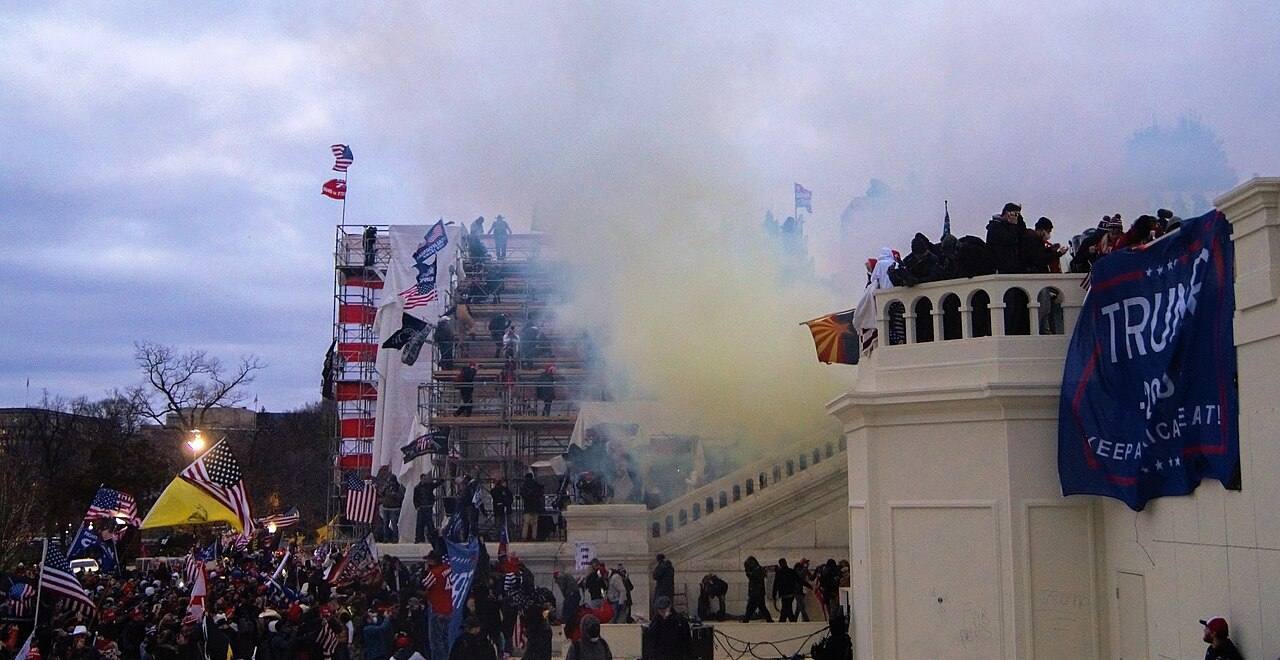
The Drawing Board of Political Ambitions
The primary calendar serves as both a battleground and a litmus test for candidates. Each state plays a crucial role in shaping the narrative of who will emerge as the frontrunner. Yet in this cycle, the dynamic has shifted. Voter mood is volatile, and the political climate is charged, leading many candidates to craft their strategies around certainty and predictability. But as we have seen, this approach can lead to oversimplifications and a lack of genuine dialogue.

On the left, progressive candidates are pushing for bold reforms, yet many struggle to win over moderates who are wary of radical changes. Meanwhile, moderate candidates often find themselves in a tight spot, trying to appeal to a base that is increasingly leaning toward more extreme positions. This tug-of-war creates a paradox where the certainty candidates think they are selling is often met with skepticism from voters.
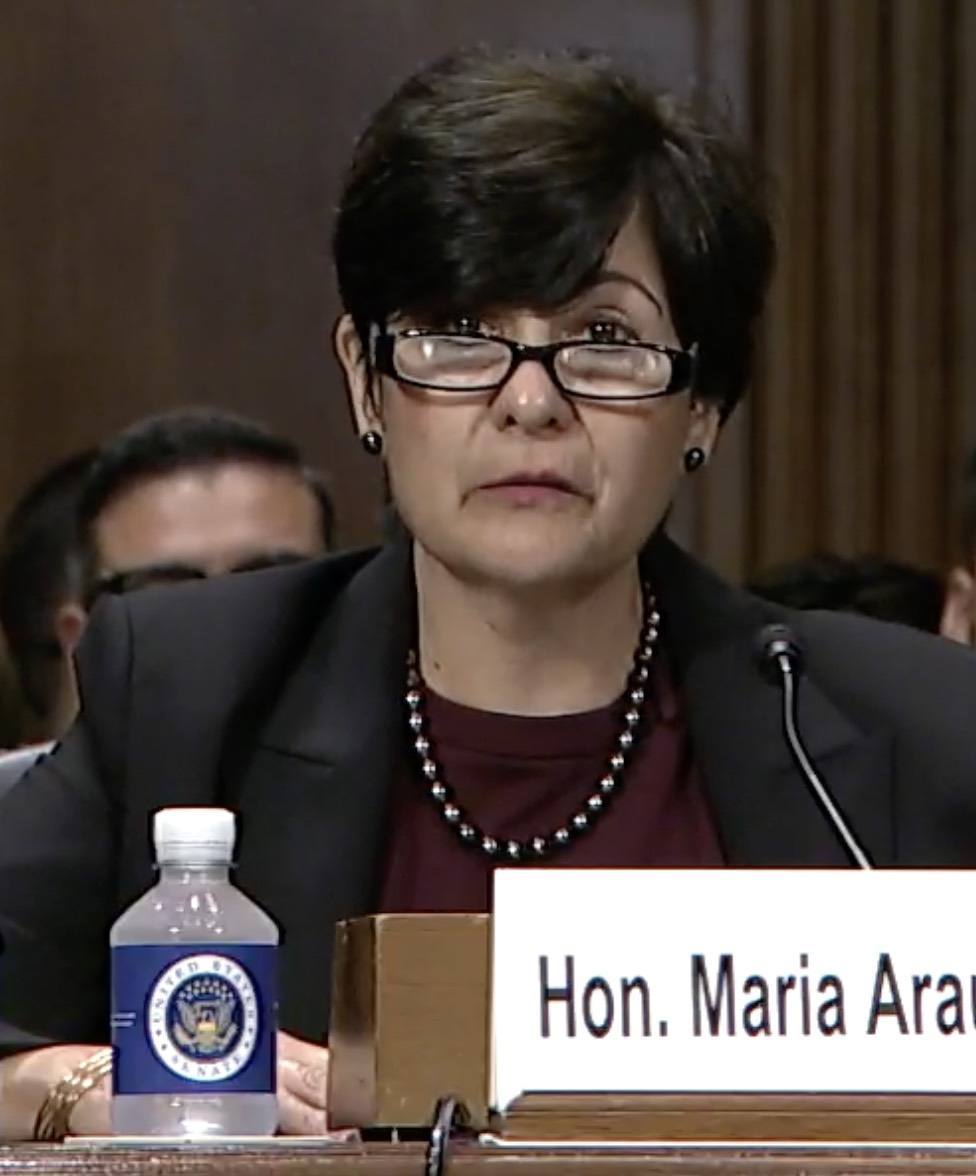
Certainty in an Uncertain Time
As we dive deeper into the primary calendar, it is clear that the narrative around certainty is selling briskly. Candidates seem to believe that if they can present a clear and unambiguous vision, they will win the support of an anxious electorate. Yet this oversimplified approach often overlooks the complexity of the issues at hand.

On the right, we see candidates appealing to a base that is deeply entrenched in its beliefs. The commitment to certainty can be seen in the echo chambers that have formed within party lines. However, this same commitment can lead to a neglect of broader concerns, such as the need for bipartisanship and compromise. The danger here is that an absolute stance may alienate moderate voters who are essential for winning elections.
"In an age of anxiety, candidates seem to believe that if they can present a clear and unambiguous vision, they will win the support of an anxious electorate."
Voter Discontent and the Year of the Outsider
The current election cycle has also given rise to a wave of outsider candidates who promise to shake up the status quo. These candidates thrive on the discontent that many voters feel toward traditional party structures. They capitalize on the uncertainty that defines this moment, yet the question remains: will they deliver real solutions, or simply more rhetoric?

The left is seeing a rise in candidates who challenge establishment figures, while the right is experiencing a similar phenomenon with populist figures drawing large crowds. This year of the outsider seems to be a response to a growing feeling that the political elite is out of touch. However, this can lead to a further fracturing of the party lines, as candidates may prioritize their base's fervor over pragmatic policies.
The Echo Chamber Effect
The polarization of the electorate is further exacerbated by the echo chambers that have formed around political ideologies. On both sides, candidates risk becoming too insulated within their own narratives, losing sight of the broader electorate. The left's focus on progressive ideals can sometimes feel disconnected from the everyday concerns of moderate voters, while the right’s emphasis on traditional values may overlook the realities of a changing demographic landscape.
This creates a political landscape where candidates become more focused on preaching to their respective choirs rather than engaging in constructive dialogue with those outside their base. As the primary calendar unfolds, the challenge remains: can candidates break free from their echo chambers and engage with the broader electorate? Or will they remain locked in their narratives of certainty, ultimately failing to connect with voters?
Looking Ahead to the General Election
As we move closer to the general election, the primary calendar serves as a precursor to the battles ahead. Candidates who can navigate the complexities of voter sentiment and offer nuanced perspectives may find themselves at an advantage. Yet those who cling too tightly to the notion of certainty may risk alienating a broader audience.
The political landscape is ever-evolving, and as we witness the primary process unfold, it is essential for candidates to focus not just on winning their party's nomination but on fostering genuine connections with voters across the spectrum. The election year is not just a game of strategy; it is a reflection of the electorate's hopes, fears, and aspirations.
✦ ✦ ✦