From the file. Written for the paper dated January 2023. Opened in the public stacks July 14, 2026.
As the dust settles on the latest Farm Bill, the implications for farmers, consumers, and the agricultural landscape are becoming clearer. Amidst stark political divisions, the bill represents a compromise that offers a semblance of stability in uncertain times.
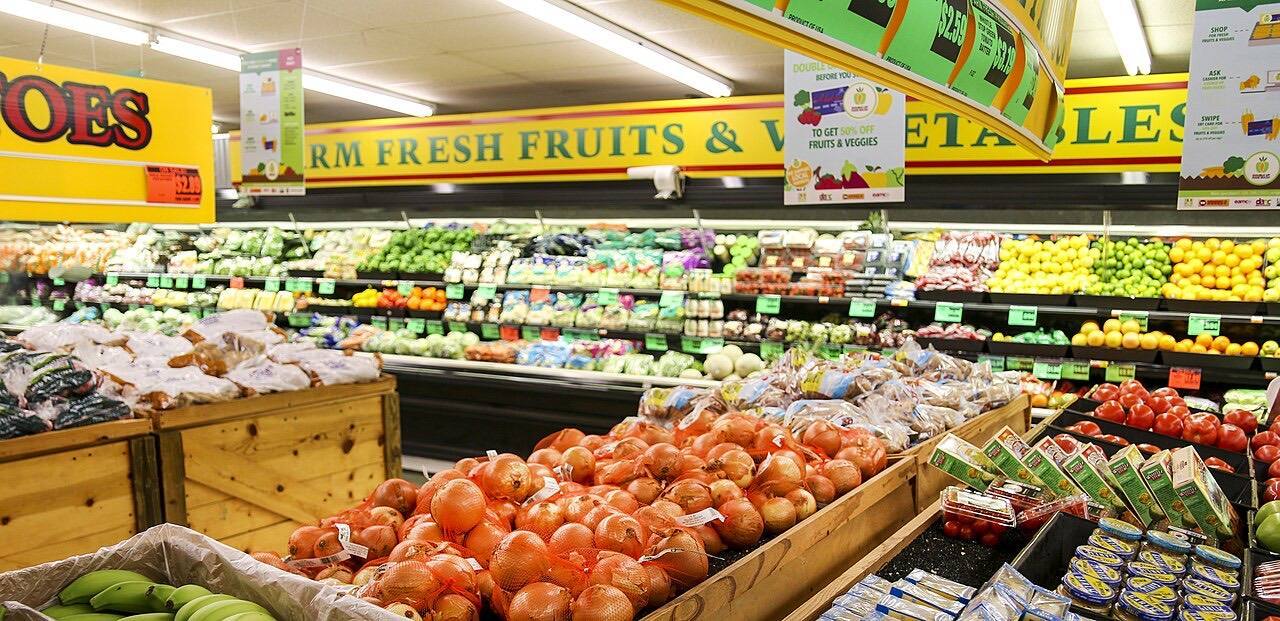
Understanding the Farm Bill's Significance
The Farm Bill is a comprehensive piece of legislation that shapes agriculture policy across the United States. It covers everything from crop insurance and commodity support to nutrition programs and conservation efforts. With a price tag in the hundreds of billions, its influence extends far beyond the fields, affecting food prices and availability at grocery stores nationwide.

As the new year begins, farmers are grappling with the realities of climate change, supply chain disruptions, and rising input costs. The Farm Bill, which has been passed every five years since its inception, is a crucial tool for providing the certainty that farmers need to plan their production and investment strategies.

A Compromise Amidst Division
In the wake of a polarized political climate, the passage of the Farm Bill offers a rare example of bipartisan cooperation. Lawmakers from both sides of the aisle recognized the pressing need for a stable agricultural framework. However, this compromise comes with its own set of challenges and criticisms.

On one hand, progressives argue that the bill falls short in addressing the urgent need for sustainable farming practices and adequate support for small and minority farmers. They contend that the focus on large agribusinesses undermines the viability of family farms. On the other side, conservatives express concern about the bill's spending levels, labeling it as excessive and a burden on taxpayers.
"In a time of division, this bill represents what can happen when we work together for a common goal." - Agriculture Committee Chair
The Certainty Factor
What has emerged in the aftermath of the Farm Bill's passage is a growing recognition of the value of certainty. Farmers are increasingly looking for stability in an unpredictable world, and the provisions within the bill provide just that. Crop insurance programs, for instance, are designed to shield farmers from the vagaries of weather and market fluctuations.

Moreover, the bill includes funding for research and development, which is critical as farmers navigate new challenges posed by climate change. By investing in innovative practices and technologies, the Farm Bill aims to ensure that farmers can adapt and thrive in the face of adversity.
Nutrition Programs Under Scrutiny
While much attention has been focused on agricultural provisions, the nutrition aspects of the Farm Bill are equally significant. Programs like the Supplemental Nutrition Assistance Program (SNAP) are vital for low-income families, providing them access to food during tough times. However, the debate surrounding these programs often becomes contentious.
Some critics argue that SNAP benefits are too generous, while others assert that cuts to these programs disproportionately affect vulnerable populations. Here, the need for a balanced approach is clear; while fiscal responsibility is important, it should not come at the expense of those who rely on these essential services.
Environmental Considerations
The Farm Bill also includes provisions aimed at promoting sustainability and environmental stewardship. Initiatives that incentivize conservation practices are crucial to mitigating the impact of agriculture on the environment. However, progressives argue that these measures should go further, calling for stricter regulations on large farming operations that contribute significantly to pollution and habitat destruction.
On the flip side, some conservative lawmakers view these environmental provisions as overreaching. They argue that excessive regulations could stifle agricultural productivity and economic growth. This tug-of-war highlights the broader ideological divide on how to balance economic interests with environmental stewardship.
The Road Ahead
As we look to the future, the implications of the Farm Bill will continue to unfold. Farmers and consumers alike will be watching closely to see how the provisions impact food prices, environmental practices, and the livelihoods of those who work the land. The bill may not be perfect, but it offers a framework from which stakeholders can work toward further improvements in agricultural policy.
Ultimately, the success of the Farm Bill will hinge on the ability of lawmakers to collaborate and address the diverse needs of their constituents. In a time marked by discord, the Farm Bill stands as a testament to the power of compromise in achieving a common goal: food security and agricultural sustainability.
✦ ✦ ✦