From the file. Written for the paper dated January 2023. Opened in the public stacks July 14, 2026.
As the dust settles from the latest disaster declaration, one thing becomes painfully clear: certainty is a hot commodity in an increasingly chaotic world.
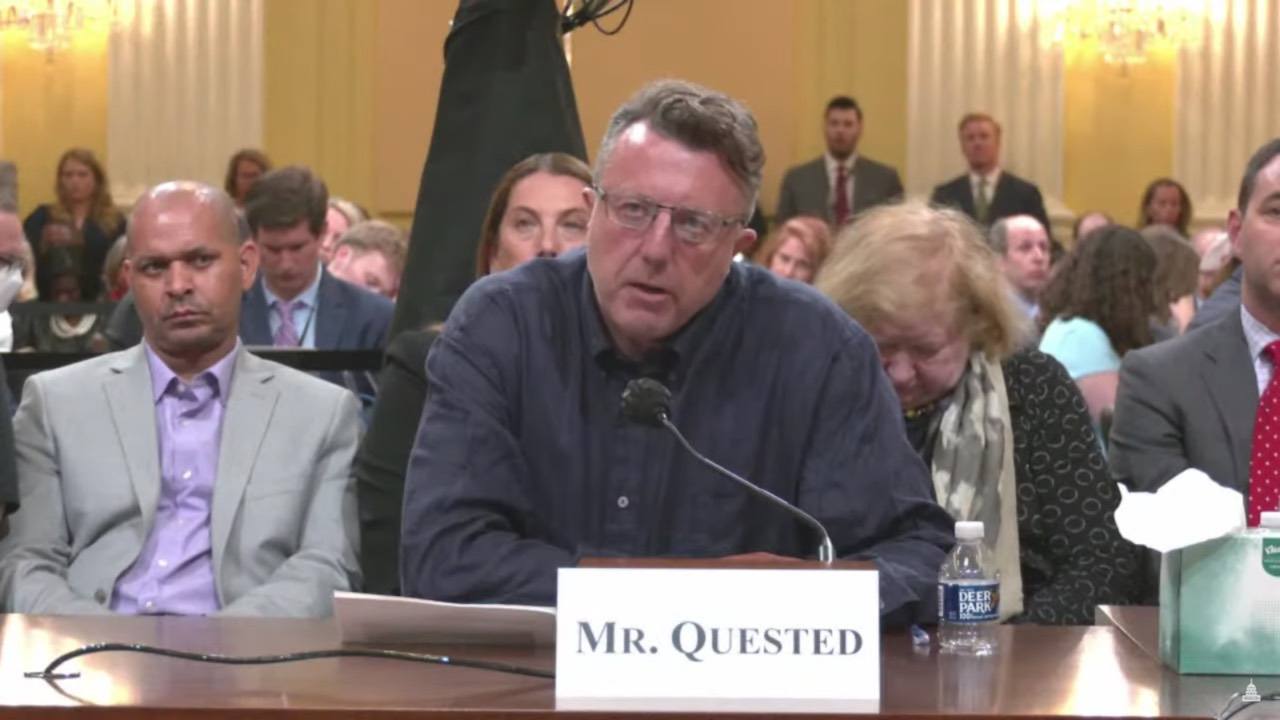
The Aftermath of Disaster Declarations
When natural disasters strike, the federal government's response often comes swiftly in the form of disaster declarations. These declarations provide vital resources and aid to affected communities, but they also come with a complex web of political implications. In January 2023, we find ourselves in the midst of yet another cycle of declarations, recovery efforts, and the inevitable partisan bickering that follows.

In a political climate fraught with division, both the left and right have their own interpretations of the necessity and implications of these declarations. The left often emphasizes the humanitarian need for rapid government intervention and support, painting any hesitation as a failure of leadership. Meanwhile, the right tends to criticize these actions as overreach, arguing that they foster dependency rather than resilience.
"Certainty is a currency, and in times of crisis, people are willing to pay a premium for it."
What remains consistent across the political spectrum is the public's desire for immediate answers and solutions. In the aftermath of a disaster, the chaos often leads to a craving for clarity and assurance. Politicians, eager to capitalize on this sentiment, may resort to bold proclamations and sweeping promises - but how many of these can be realistically fulfilled?
The Left: Urgency vs. Realism
On the left, there is a growing chorus of voices advocating for expansive measures to address disaster relief. The urgency of climate change and its accompanying disasters has led many to argue that the government must step in decisively. This perspective, while rooted in compassion, often overlooks the complexities of managing such large-scale responses. The risk of overselling certainty can lead to unrealistic expectations.
For instance, the promise of rapid recovery and rebuilding may be comforting, but it risks ignoring the logistical and bureaucratic hurdles that accompany federal aid. Communities may find themselves waiting longer than anticipated for the support they need, leaving them frustrated and disappointed when the results do not match the rhetoric.

The Right: Skepticism and Responsibility
On the other side of the aisle, the right has seized upon the narrative of skepticism towards government intervention. While their concerns about overreach and dependency are valid, this stance can sometimes veer into an abdication of responsibility. The argument that communities should rely on themselves rather than wait for government aid can sound noble, but it also risks leaving vulnerable populations without the support they desperately need in times of crisis.
The challenge for the right is to balance their desire for fiscal responsibility with the urgent needs of citizens in the wake of disasters. A blanket rejection of federal assistance can come off as heartless, particularly when families are left homeless or struggling to recover. In their quest for smaller government, the right may inadvertently stifle the very resilience they champion.
The Role of Media Narratives
The media plays a significant role in shaping public perception of disaster declarations and the subsequent recovery processes. Headlines often focus on the immediate aftermath, highlighting the devastation and the need for assistance. However, as the days and weeks pass, the coverage can shift towards political debates, diminishing the urgency of the humanitarian needs at hand.
As narratives evolve, the certainty that once seemed palpable can quickly fade. Politicians might scramble to maintain the momentum of their declarations, but without sustained media focus, the public’s attention can wane. The challenge lies in keeping the conversation alive, ensuring that the urgency of recovery remains in the forefront of political discourse.
Finding Common Ground
Amidst the political tug-of-war, there is an opportunity for both sides to find common ground. By acknowledging the complexities of disaster recovery, politicians can work towards solutions that are both compassionate and pragmatic. This requires moving beyond oversimplified narratives that ignore the nuances of recovery and resilience.
Ultimately, the goal should be to foster a more resilient society, one that is prepared for the inevitable disasters to come. This means investing in infrastructure, supporting local communities, and promoting responsible government intervention when needed. It also means creating a culture of preparedness that empowers individuals and communities to take charge of their recovery.
As we navigate the uncertain landscape of disaster declarations in 2023, it is crucial for both the left and right to engage in constructive dialogue rather than resorting to hyperbole. It is time for politicians to deliver on their promises, not just in words but in action. Certainty may be a valuable currency, but it is essential that it is backed by genuine commitment and realistic expectations.
✦ ✦ ✦