From the file. Written for the paper dated December 2022. Opened in the public stacks July 14, 2026.
In the current political landscape, both sides of the aisle seem to be engaging in a peculiar form of selective memory, where experts are often called upon to validate overly ambitious claims. This week, we delve into the instances when these claims go unchecked, revealing a troubling trend in bipartisan discourse.
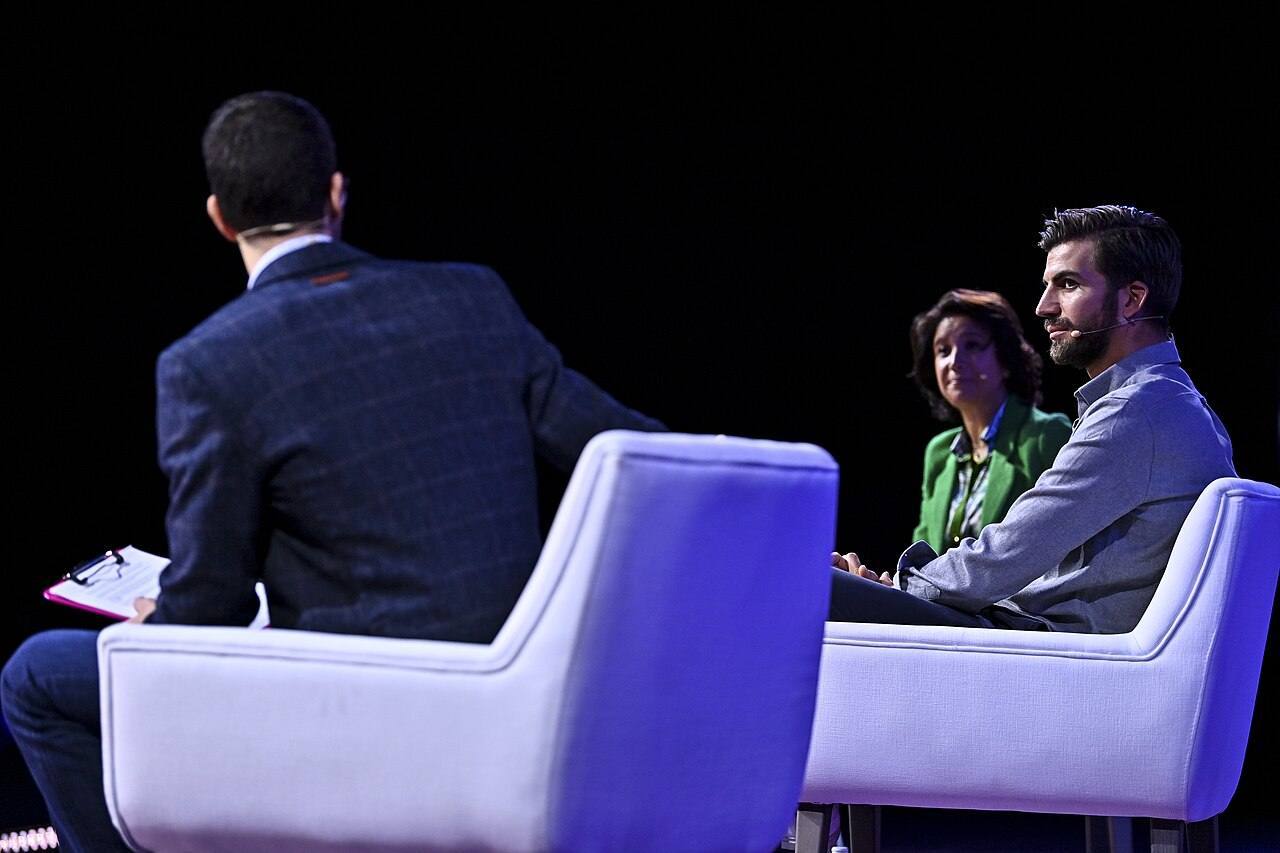
Understanding the Overclaim Phenomenon
The phenomenon of overclaiming by experts is not new, but its repercussions resonate deeply in today's polarized climate. On the left, we see a tendency to elevate the warnings of climate scientists to apocalyptic levels, suggesting that without immediate and drastic action, we face imminent destruction. While the urgency of climate change is undeniable, the framing can sometimes veer into hyperbole, potentially alienating those who might otherwise engage with the issue.
Conversely, the right often invokes experts to bolster claims regarding economic recovery and inflation, painting a rosy picture that contrasts sharply with the realities faced by many Americans. The insistence on a booming economy, despite rising prices and stagnating wages, demonstrates a selective interpretation of data that can mislead rather than inform public understanding.

"When experts overclaim, they risk losing the trust of the very public they aim to educate."
The Role of Media in Amplifying Claims
Media outlets play a crucial role in amplifying these expert claims, often emphasizing sensationalist narratives that align with their audience's preexisting beliefs. On the left, media coverage may focus on dire predictions made by climate scientists, highlighting potential disasters without sufficient context about the nuances of climate models. On the right, economic narratives frequently spotlight optimistic forecasts while downplaying the everyday struggles of average Americans.
This amplification creates a feedback loop that reinforces partisan narratives, ultimately contributing to a more fragmented public discourse. When experts do not temper their claims with a balanced perspective, they risk perpetuating these partisan echo chambers.
A Call for Accountability
It is imperative for both experts and the media to exercise caution in their declarations. Experts must strive to provide well-rounded analyses that consider the complexity of the issues they address. This includes acknowledging uncertainties and potential counterarguments. Media outlets, on their part, should critically evaluate the claims made by experts, ensuring that they present a balanced view that does not sensationalize or oversimplify complex issues.

Impact on Public Trust
The consequences of expert overclaiming extend beyond mere public discourse; they have profound implications for trust in science and policy. When experts make grandiose claims that fall short of reality, they risk alienating the very audience they seek to inform. This erosion of trust can lead to skepticism towards legitimate scientific findings and policy recommendations, making it increasingly difficult to address pressing challenges collaboratively.
Moreover, this cycle of distrust fosters a culture of resignation, where individuals feel powerless to effect change. If the narrative is consistently one of doom or unfounded optimism, the public may become apathetic or disengaged, believing that their actions will have little impact on the outcomes.
Finding Common Ground
To break this cycle, we must foster an environment where experts and the public can engage in constructive dialogue. This requires both sides to acknowledge the validity of each other's concerns, moving away from zero-sum thinking. By finding common ground on key issues, we can begin to rebuild trust and encourage more nuanced discussions that transcend partisan divides.
For instance, addressing climate change should not be framed as a choice between economic growth and environmental protection. Instead, we can explore solutions that benefit both the economy and the planet, emphasizing innovation and collaboration rather than division.
Conclusion: The Path Forward
In conclusion, both the left and the right must recognize the dangers of expert overclaiming and the selective memory that underpins it. By advocating for a more measured approach to claims and fostering a culture of accountability, we can restore public trust and engage in meaningful dialogue that addresses the challenges we face. It is only through humility and collaboration that we can hope to forge a path toward a more informed and united society.
✦ ✦ ✦